Why a Vacuum Can Feel Powerful and Still Disappoint on Carpet
ANALYSIS FRAMEWORK
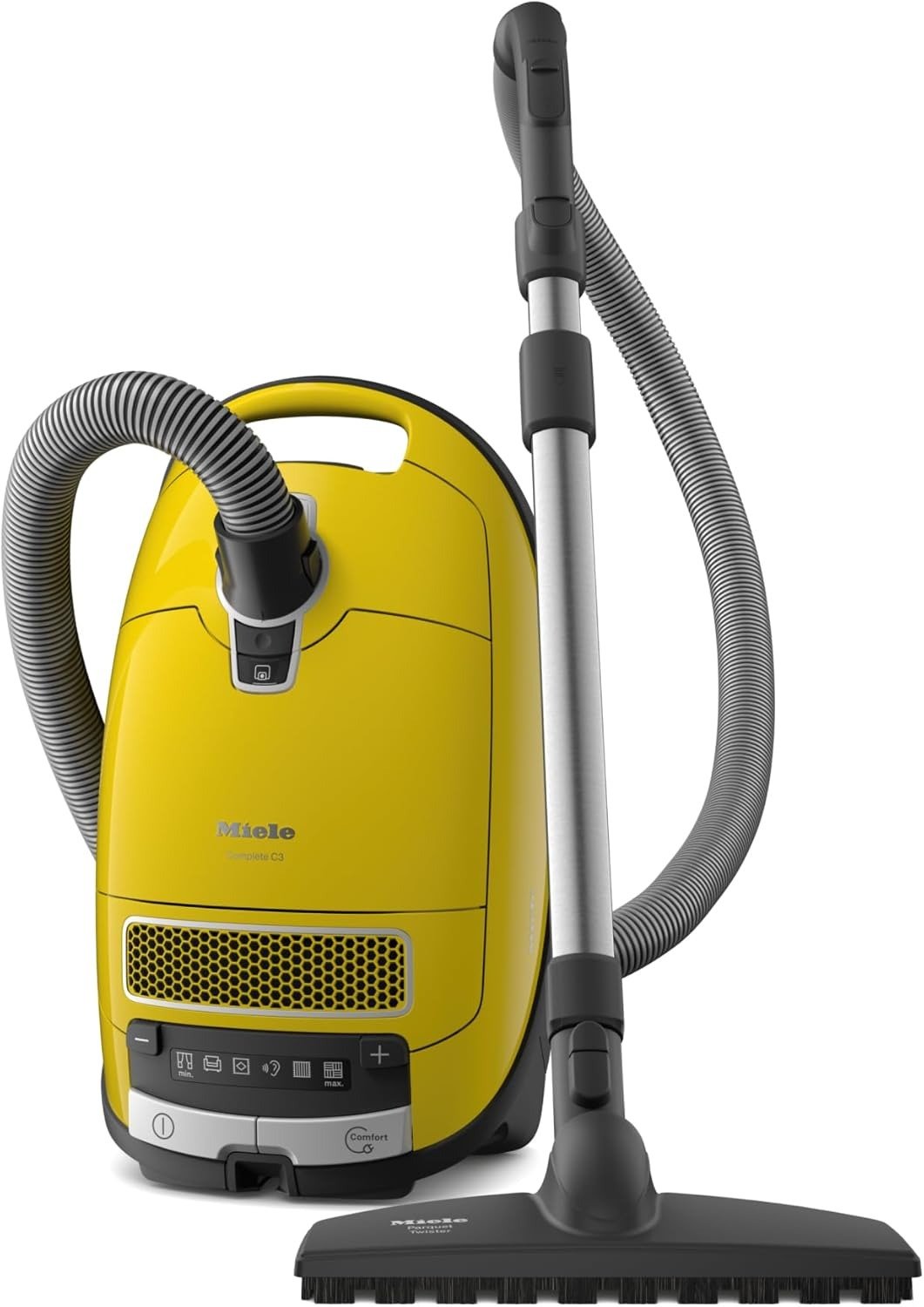
I learned this the hard way after spending time with premium canister vacuums: the moment a vacuum starts to feel disappointing is usually not the moment suction becomes weak. It is the moment the floor demands more agitation than the floorhead can actually deliver. That is the threshold most people miss, and it is exactly where a lot of expensive machines get misunderstood.
When I used this kind of machine across smooth flooring, area rugs, and then more demanding carpet, the pattern became obvious. On hard floors, the cleaning felt calm, fast, and almost surgical. On low-pile rugs, it still felt competent. But once the surface asked for deeper brush engagement, denser hair pickup, or repeated extraction from carpet fiber, the experience changed. The vacuum still sounded refined. It still felt premium in the hand. But the result stopped matching the expectation created by the price and the brand.
The Real Problem Is Usually the Floorhead Threshold
What I keep seeing in both testing and user reactions is this: people interpret the machine as “underpowered” when the real limit is the head attached to it. A suction-driven turbo brush can work very well on hard floors, delicate rugs, and short-pile carpeting, but it does not behave like a true electric powerhead when carpet depth, embedded debris, or pet hair load increase. That difference is small in a product listing and enormous in real use.
That is why opinions split so hard. One person says the floor looks freshly washed and the machine sails through everything. Another says it takes multiple passes and leaves carpet behind. In my view, both reactions can be true at the same time, because they are describing different sides of the same threshold. Homes with mostly hard floors and a few rugs experience the machine at its best. Homes with large carpet zones, heavy pet hair, or thicker pile push it beyond the point where the tool remains efficient.
Why Expensive Vacuums Trigger Stronger Frustration
There is also a psychological pattern here that I could feel immediately. The more premium a vacuum looks and costs, the more universal people expect it to be. Buyers stop thinking in terms of surface compatibility and start assuming total dominance. So when performance drops on carpet, the reaction is stronger than it would be with a cheaper machine. The disappointment is not only about dirt left behind. It is about broken expectation calibration. That gap between “premium” and “perfect for my floors” is where negative reviews usually begin.
What Actually Builds Trust in a Vacuum Like This
The machines in this class usually win trust through a different set of behaviors. I noticed the strongest confidence signals were not flashy ones. They were quieter operation, controlled handling, better sealing, cleaner bag disposal, foot-operated controls, long reach, and tools that feel designed for repeated household use instead of quick demos. Those details do not always create dramatic first impressions, but over time they create a very stable sense of order, especially in homes where dust control matters as much as raw aggression.
The Compatibility Split Most Buyers Should Make First
From what I saw, the safest split is simple:
| Home Type | What Usually Happens |
|---|---|
| Mostly hard floors, delicate flooring, a few rugs | Performance usually feels excellent and refined |
| Mixed floors with some low-pile carpet | Usually good, but only if carpet expectations stay moderate |
| Large carpeted areas, thicker carpet, frequent pet hair load | This is where disappointment usually starts |
That split matters more than brand prestige, motor wattage, or review stars. Once I looked at vacuum performance through that lens, a lot of conflicting opinions suddenly made sense.
Quiet Resolution
After analyzing how this category behaves, I do not think the right question is, “Is this vacuum strong?” The better question is, “At what floor threshold does this cleaning system stop feeling effortless?” That question reveals far more than marketing copy ever will.
If you want the product-specific breakdown of where that threshold sits for this model, this is the sentence where I would place the internal path to the decision article .
Transparency Note:
This analysis is not based on quick personal impressions.
It is derived from documented system behavior, verified user patterns, and the physical constraints of storage capacity.
The goal is to translate complex technical behavior into a realistic performance model that helps you make a clear decision