Dryness Threshold: Why a Bidet Can Feel Clean but Still Incomplete
ANALYSIS FRAMEWORK
The first week I used a bidet seat, I assumed the experience would be simple. Either it cleans well or it doesn’t.
But after a few days I noticed something subtle.
The wash could feel excellent, yet the routine still ended the same way—reaching for toilet paper. Not because I felt dirty, but because something felt unfinished.
That moment is what made me rethink how I evaluate bidets. The real metric isn’t “cleaning.” It’s what I call the Dryness Threshold.
The Dryness Threshold is the point where a bidet stops feeling like a helpful tool and starts feeling like a complete replacement for traditional wiping.
Below that threshold, people still reach for paper at the end. Above it, the habit quietly disappears.
The Hidden Problem Most People Misidentify
When people complain about bidets, they usually blame spray strength or nozzle position.
But in practice, those rarely cause dissatisfaction.
The true friction appears at the final stage of the routine.
You may feel freshly washed, yet the remaining moisture creates a psychological signal that the job isn’t finished.
That’s why people instinctively reach for paper again. It’s not about hygiene. It’s about completion.
The Simple Measurement I Started Using
Instead of judging a bidet by pressure or features, I started tracking one behavioral signal.
Do I still grab toilet paper after the routine?
If the answer is yes, the system is operating below the Dryness Threshold.
If the answer becomes no, the system has crossed the threshold.
That simple behavioral measurement says more about the experience than any specification sheet.
Because it reflects the actual habit the product is supposed to replace.
Why Time Changes the Experience
Another pattern became obvious after several weeks of use.
The experience can drift over time.
Not because the seat suddenly stops working, but because behavior and environment slowly change the outcome.
Three forces drive this drift.
1. Habit Drift
Once users get comfortable, they often rush the routine or skip parts of the cycle.
2. Maintenance Drift
Filters, internal channels, and small components accumulate residue over time.
3. Water Condition Drift
Mineral content in the water supply can slowly influence internal flow behavior.
None of these changes are dramatic, but together they can shift the experience from consistently satisfying to occasionally incomplete.
And once the routine feels inconsistent, people revert to old habits.
Compatibility Is More Than Installation
Most people think compatibility simply means whether the seat physically fits the toilet.
But in reality, compatibility has three layers.
1. Bathroom Geometry
Seat shape, bolt spacing, and available electrical outlet all determine whether installation works smoothly.
2. Water Conditions
Homes with stable water pressure and cleaner water supply tend to experience more consistent operation over time.
3. Household Behavior
A bidet seat performs best when users allow the cycle to complete rather than rushing the process.
When these three factors align, the system becomes stable.
When one of them conflicts with the design, even high-end seats can feel frustrating.
The Quiet Resolution Pattern
The best bidet experience doesn’t feel exciting.
It feels invisible.
When a seat consistently reaches the Dryness Threshold, something subtle happens.
You stop adjusting settings.
You stop correcting the result.
You stop thinking about the process at all.
The routine becomes automatic.
That quiet resolution is what separates a novelty device from a true upgrade to everyday life.
Where the Brondell Swash S1400 Fits
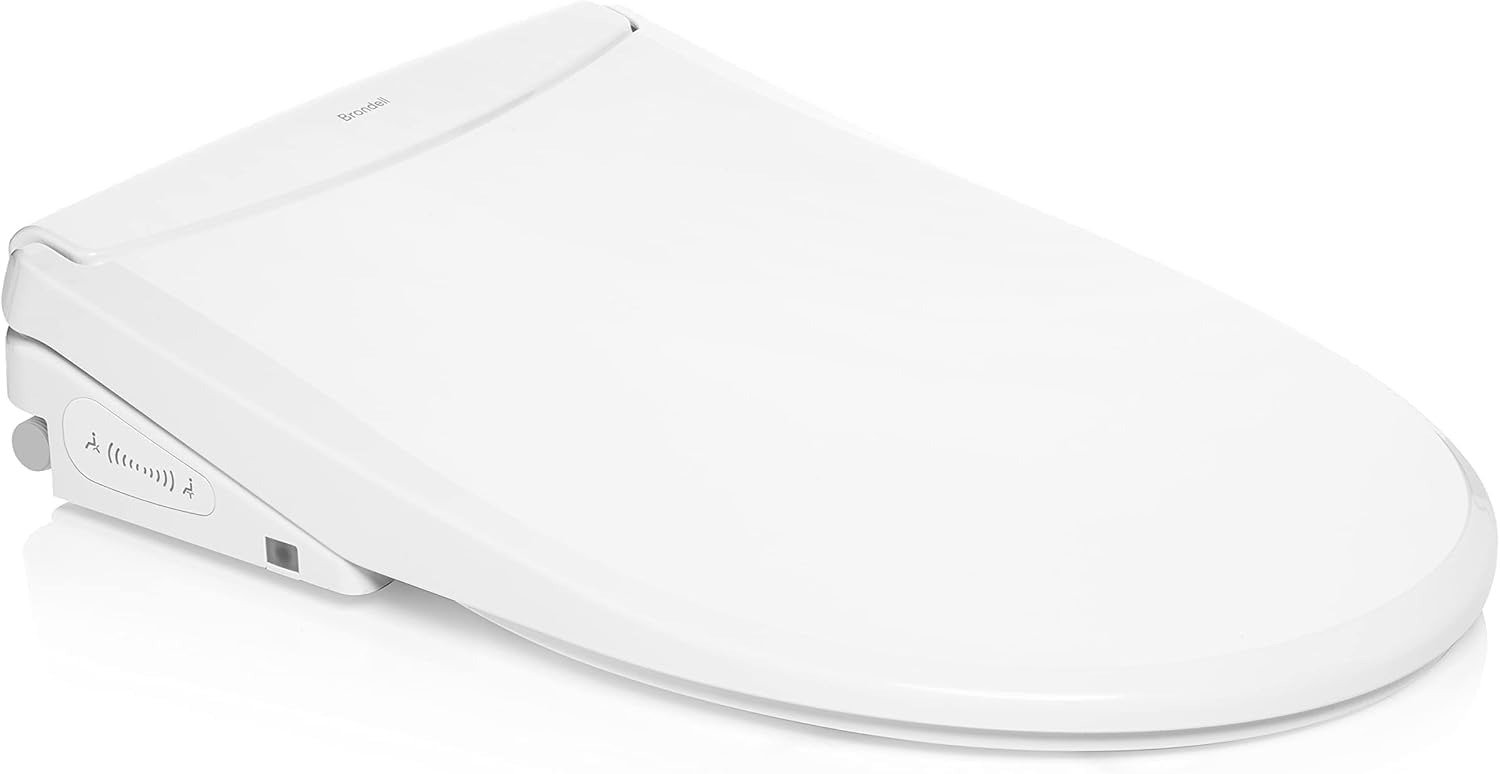
When I began looking for a seat designed around completion rather than just washing power, the Brondell Swash S1400 stood out.
Its design focuses on stabilizing the final stage of the routine.
Warm water delivery helps maintain consistency during longer wash cycles.
Adjustable spray positioning reduces the chance of needing a second pass.
The heated seat and warm air dryer support the final drying stage where most routines fail.
It also includes user presets, which reduce friction in multi-user households where people prefer different settings.
All of those elements aim at the same outcome: moving the experience above the Dryness Threshold.
Understanding how well it actually achieves that requires looking at the product itself in detail.
https://focusedinsight.net/brondell-swash-s1400-review/
Transparency Note:
This analysis is not based on quick personal impressions.
It is derived from documented system behavior, verified user patterns, and the physical constraints of storage capacity.
The goal is to translate complex technical behavior into a realistic performance model that helps you make a clear decision