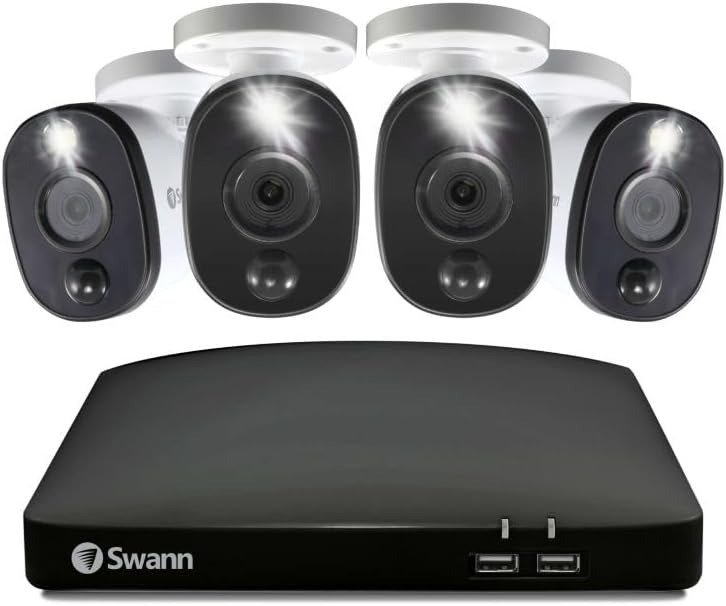
Should You Buy the Swann 1080p DVR Spotlight Security System
DECISION ANALYSIS
When I finished testing the Swann DVR spotlight system, the decision did not come down to resolution or marketing features.
Those are easy.
The real decision came down to something quieter:
How predictable the system remains after weeks of operation.
Because in security systems, reliability is not measured during installation.
It is measured during the moment you actually need the footage.
What You Are Actually Buying
At its core, the system is built around a straightforward architecture.
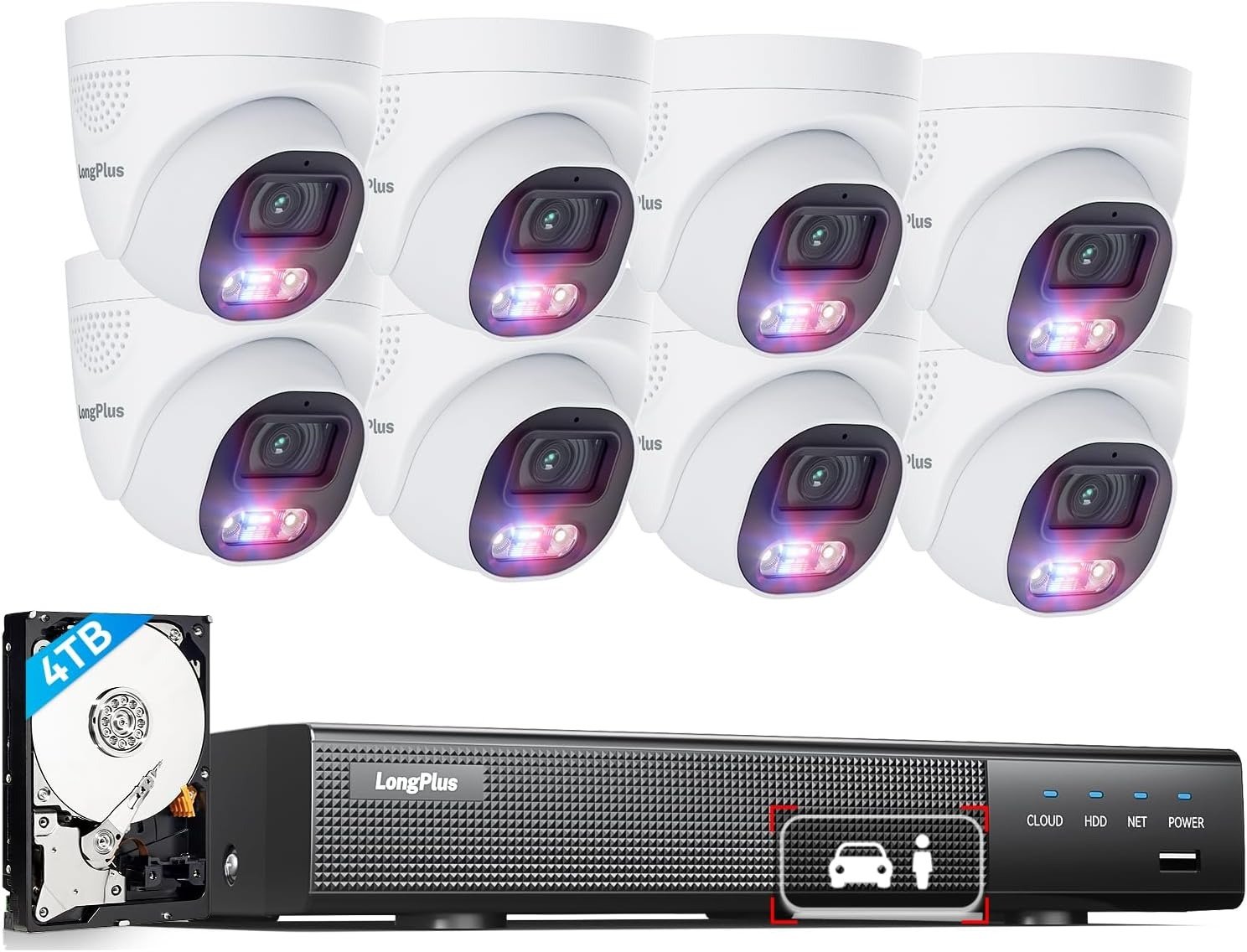
| Component | Function |
|---|---|
| 8-Channel DVR | Central recording hub |
| 1080p Cameras | Continuous video capture |
| Spotlight Night Vision | Illuminated color footage at night |
| PIR Motion Detection | Heat-based movement alerts |
| 1TB Hard Drive | Local rolling footage storage |
This architecture creates two operational loops.
The first is the recording loop, where cameras feed video directly into the DVR.
The second is the remote access loop, where the system connects to a mobile device through the internet.
Understanding this difference explains most user experiences.
The Storage Reality Most Buyers Ignore
The DVR records continuously and overwrites old footage automatically once storage fills.
This means the system behaves like a rolling archive.
The key question becomes simple:
Is the footage you need still inside that rolling window when you go looking for it?
For most homeowners, this is perfectly acceptable.
But it is important to understand before purchasing.
What Users Consistently Experience
Across real user experiences, the pattern tends to separate into two categories.
Hardware Stability
The wired camera and DVR combination tends to perform consistently.
Continuous recording works without relying on wireless signals, and the spotlight cameras provide clear identification in illuminated areas.
Remote Viewing Variability
The experience of watching clips remotely can vary depending on internet stability, software updates, and mobile device performance.
This does not affect recording itself, but it can influence how smoothly footage loads when accessed from a phone.
Night Vision Expectations
One of the more impressive aspects of the system is the spotlight-based color night vision.
Instead of relying solely on infrared, the cameras illuminate the scene, allowing recognizable color footage.
However, like any spotlight system, color clarity decreases as subjects move farther from the light source.
Inside the illuminated area, detail remains strong.
Outside it, the camera transitions toward shape recognition rather than color identification.
Compatibility Split
After testing the system and reviewing real user behavior patterns, the best fit becomes clear.
Best Fit
Homeowners who want reliable continuous recording and wired camera stability without monthly subscription costs.
The system performs well around entrances, driveways, and perimeter zones where the spotlight illumination can fully cover the monitored area.
Acceptable Fit
Users who occasionally check live footage or alerts through the mobile app.
Remote viewing works, but the experience depends on network stability.
Not Ideal
Buyers expecting extremely long-range night identification or a completely maintenance-free mobile monitoring experience.
Those expectations align more with higher-end surveillance systems.
Final Verdict
The Swann DVR spotlight system succeeds at what it is fundamentally designed to be:
A dependable wired recording system with strong entry-point coverage and visible night deterrence.
It does not try to replace enterprise surveillance platforms.
Instead, it focuses on a simpler promise:
Continuous recording, visible deterrence, and locally stored footage that remains accessible without subscriptions.
For homeowners who understand that balance, the system fits naturally.
And when used within that expectation range, it performs exactly as intended.
Transparency Note:
This analysis is not based on quick personal impressions.
It is derived from documented system behavior, verified user patterns, and the physical constraints of storage capacity.
The goal is to translate complex technical behavior into a realistic performance model that helps you make a clear decision