MOVA LiDAX Ultra 1000 Decision: Buy Only If Your Yard Stays Inside the Stability Window
DECISION ANALYSIS
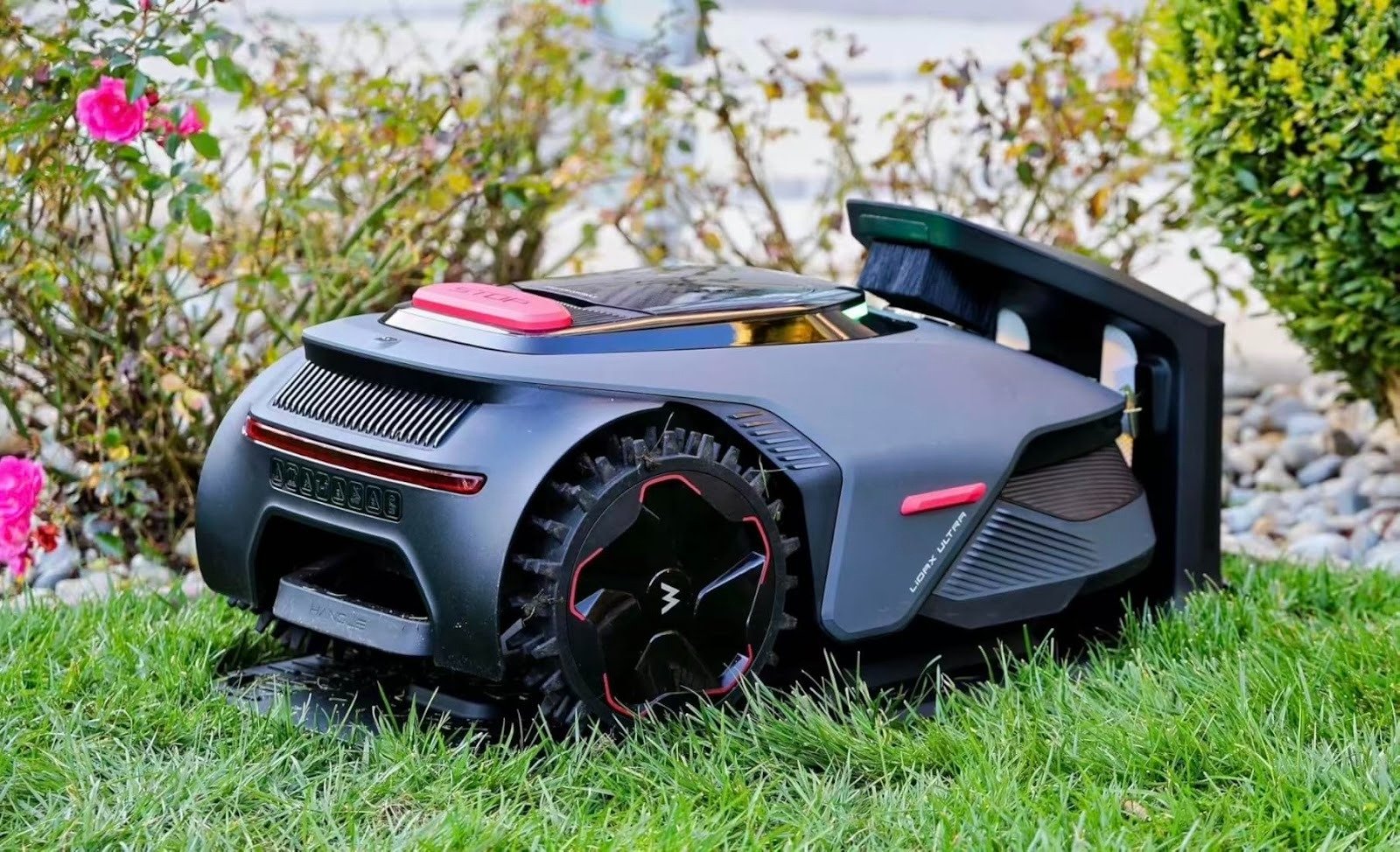
I’m not going to sell you a dream. I’m going to apply one lens: the Navigation Stability Window. If your yard stays inside it, this mower can behave like a quiet maintenance machine . If not, drift and interruptions become part of the routine.
The Threshold That Matters (The “Window Edge”)
For this model, the practical threshold is simple:
If repeated runs show the same hesitation spots and the mower starts “playing safe” around edges/obstacles, you’re at the window edge. Past that edge, performance doesn’t collapse instantly—it degrades through drift steps.
What I Trust (Technical Anchors, Not Hype)
I anchor expectations to published constraints and what they imply in daily use:
- 0.25 acre class mapping
- ~60–80 minutes mowing per charge, ~60 minutes to recharge
- narrow passages around 23.6 inches
- slopes up to 45%
- structured path planning and zone control
These don’t guarantee perfection—but they set the operating envelope.
Drift in Real Ownership (What “Outside the Window” Looks Like)
When the yard pushes the mower outside the window, I expect this sequence:
- more re-orientation events
- more conservative edge buffers
- more fragmented completion (dock/resume cycles feel frequent)
- “thin misses” that show up as faint uncut ribbons
- manual cleanup creeping back in
The One Field Scene I Use to Judge Fit
I picture a normal Saturday morning: a hose moved, a toy left behind, and a fence line that punishes mistakes.
If you want the mower to be quiet, consistent, and low drama, you’ll likely run:
- frequent schedules,
- safer edge mode near scratch-risk boundaries,
- and accept that some edges (depending on fencing geometry) may still need occasional touch-up.
Compatibility Split 3.0 (Decision Compression Without Pressure)
Path A — Compatible (Buy is rational)
Choose LiDAX Ultra 1000 if:
- your yard is in the 0.25-acre class and you’re okay with automation finishing over multiple sessions,
- you can give it a clean first mapping run and then keep changes incremental,
- you prefer “maintenance mowing” (steady height control) over “rescue mowing,”
- you have enough open visibility for stable navigation most of the time.
Path B — Misaligned (Not buying is rational)
Skip it if:
- your yard has persistent obstruction zones where satellite/position stability is routinely challenged,
- you expect flawless edge perfection against complex fence types without any buffer,
- app/account/Wi-Fi friction will annoy you more than mowing itself (this matters more than people admit).
Memory Imprint (The Phrase I Keep)
“Stable window = repeatable lines. Outside the window = drift tax.”
That one sentence predicts satisfaction better than any marketing claim.
If you’re Path A, the product page is here:
Transparency Note: This analysis is not a passing personal opinion; it is the result of synthesizing feedback from real buyers, documented reviews, and technical documentation. The objective is to present a clear, structured interpretation of the data, free from personal bias.