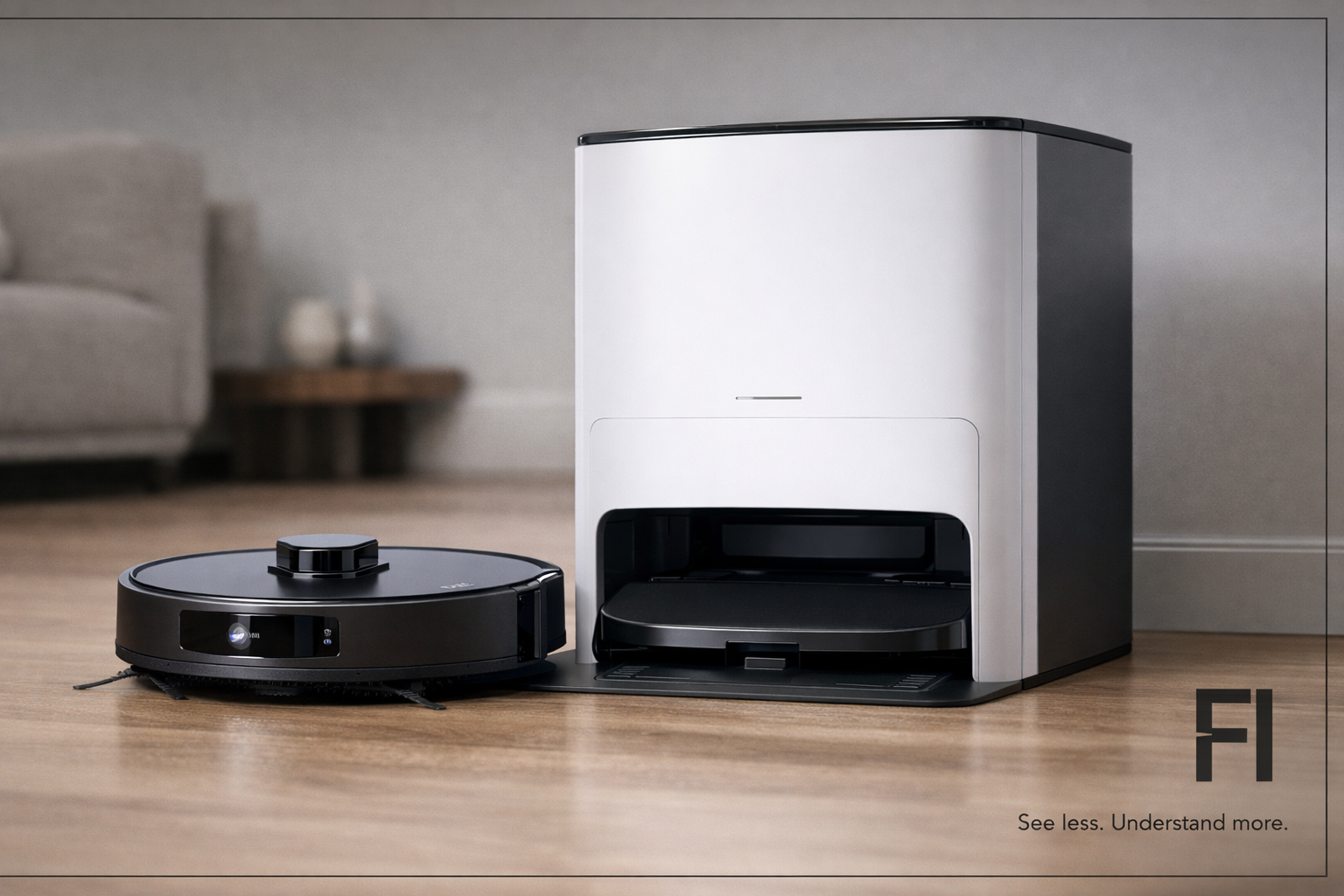
Robot Vacuum & Mop “Flagship” Reality — What Actually Matters (X8 Pro Omni as Reference)
ANALYSIS FRAMEWORK
Opening Context Section — Why People Upgrade to a Flagship Robot Vacuum and Mop
If you’re considering a flagship robot vacuum and mop, you’re not shopping for “a gadget.” You’re trying to remove a daily friction you’re tired of negotiating with.
In real homes, the pain isn’t just dust. It’s the repetition:
- You notice pet hair again—then again—then again.
- The kitchen floor gets sticky in the same zones.
- You’re mentally tracking “when I’ll clean,” not just cleaning itself.
That’s why the premium tier is really about cognitive relief: a system you can trust to run without babysitting. And this is where many buyers become skeptical—because the spec sheet often sounds perfect, but the lived experience depends on a small set of hidden variables.
This Network Article isolates the informational intent: how to evaluate the flagship category correctly, using the X8 Pro Omni class as a reference point, without drifting into purchase pressure.
Core Structural Explanation Section — The 5 Variables That Decide Whether “Hands-Free” Is Real
1) Mopping Architecture: “Moves Water” vs “Removes Film”
In the flagship segment, mopping is usually the deciding factor—not suction. The important question is not “does it mop,” but what kind of mopping system it uses and whether it can consistently reduce dull residue and sticky film in high-traffic zones.
A roller-style approach can perform differently than dual spinning pads because it changes contact pressure, water handling, and how quickly the mop surface refreshes during the run. If your home has visible footprint lanes, this variable will dominate your satisfaction.
2) Dock Reality: Automation That Reduces Work vs Automation That Replaces Work
A self-emptying base sounds like an endpoint, but it’s actually a trade:
- You replace frequent manual emptying with periodic system upkeep.
- The real question is whether the dock stays hygienic and low-odor over time.
Buyers who love premium robots usually love the dock because it compresses chores into a predictable routine. Buyers who return them often return them because the dock becomes “a new thing to maintain” and breaks the promise of hands-free floor cleaning.
3) Mapping Reliability: The Trust Layer
Mapping isn’t a feature. It’s a trust contract.
A robot can have strong cleaning hardware and still fail emotionally if:
- it forgets rooms,
- splits areas strangely,
- gets confused after small furniture changes,
- or needs repeated remaps.
When mapping becomes unstable, the owner stops scheduling runs—and when scheduling stops, the product stops being a system and becomes a device you “sometimes use.”
4) Hair and Brush Design: The Silent Deal-Breaker
For pet homes and long-hair homes, hair management is not a minor issue—it’s the difference between “set it and forget it” and “weekly rescue operation.”
In this segment, the meaningful question is:
- does the brush resist tangles in normal life, not in perfect conditions?
If you consistently get wrapping, everything else becomes irrelevant—because performance collapses under maintenance load.
5) Edge and Corner Performance: Where Expectations Break
Flagship models can still leave:
- fine debris near baseboards,
- crumbs in corners,
- thin lines of dust along edges.
Edge cleaning limitations don’t always show up in marketing, but they shape user reviews because they’re visible. People don’t rate robots based on averages; they rate them based on what they still have to clean manually.
Hidden Technical Factors Section — What Owners Praise vs What Actually Triggers Complaints
Peak Suction Numbers Don’t Guarantee Equal Pickup Everywhere
High suction claims can be real and still mislead expectations. Real-world pickup depends on:
- airflow path design,
- brush agitation effectiveness,
- debris type (fine dust vs heavier crumbs),
- floor type transitions,
- and whether the robot scatters particles before capturing them.
This is why two robots can “look identical on paper” but feel very different in daily use.
Mop Washing and Drying Is a Hygiene Promise, Not a Convenience Add-On
Dock-based mop washing (and drying, when present) is a psychology lever:
- If the dock stays clean, users feel relief and confidence.
- If it smells, looks dirty, or needs frequent scrubbing, users feel regret—because they paid to remove that exact burden.
In user feedback patterns for premium robots, hygiene and odor are repeat themes because they directly affect whether owners feel comfortable running the system daily.
Getting Stuck Is Not a Small Problem—It Breaks Automation
A robot that gets stuck on:
- thresholds,
- cords,
- thick rugs,
- chair bases,
- or floor transitions
creates a new mental load: “Will it finish?” That one uncertainty can destroy the hands-free story, even if cleaning performance is strong when it does run.
App and Firmware Stability: The Invisible Variable That Shapes Reviews
Many owner complaints across the premium segment trace back to software friction:
- inconsistent room behavior,
- schedule reliability,
- confusing map edits,
- or unpredictable updates.
When software feels stable, people call the robot “smart.” When it doesn’t, they call it “overpriced,” even if the hardware is excellent.
Market Reality Section — Where X8 Pro Omni-Class Robots Typically Win (and Where They Don’t)
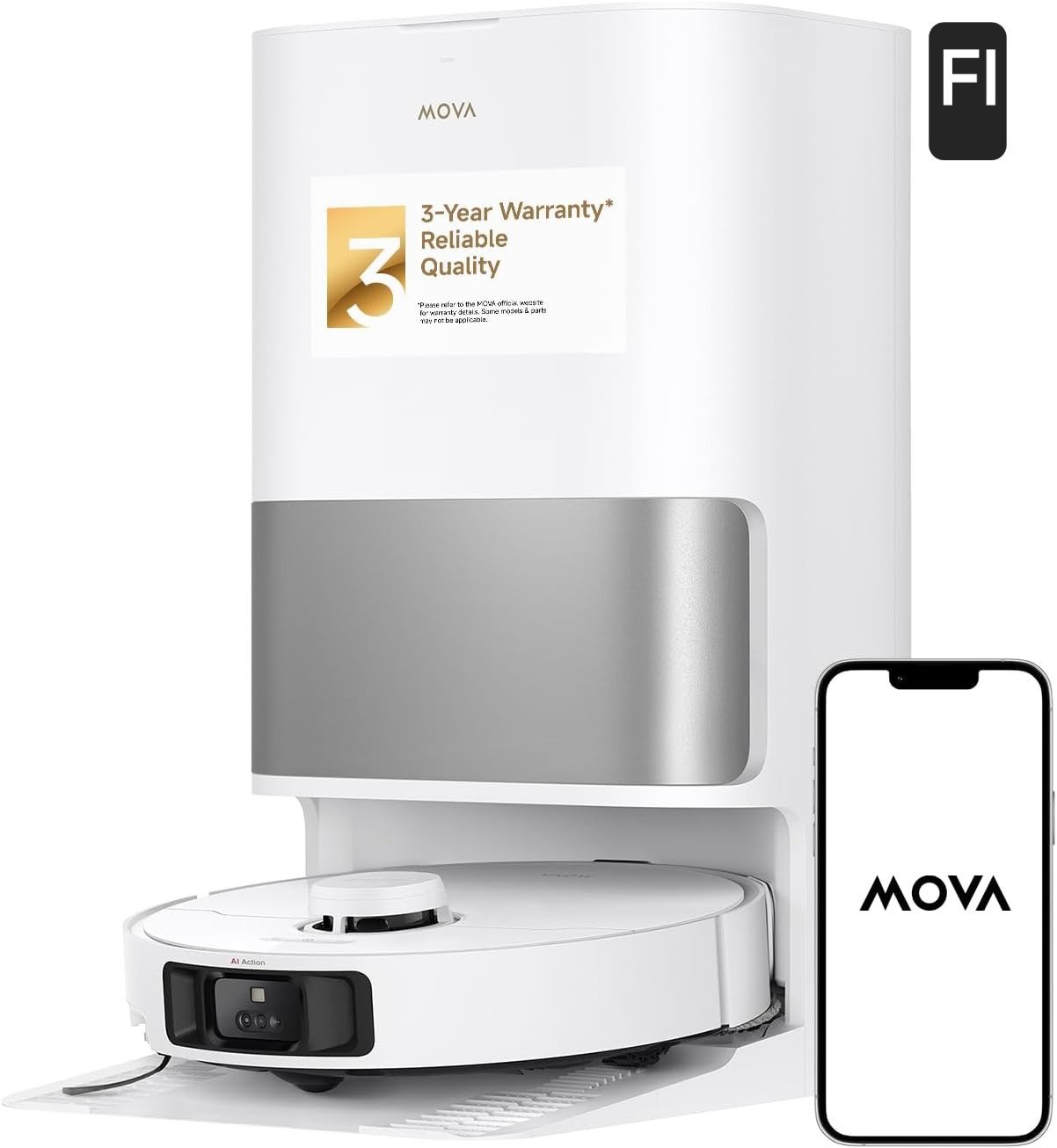
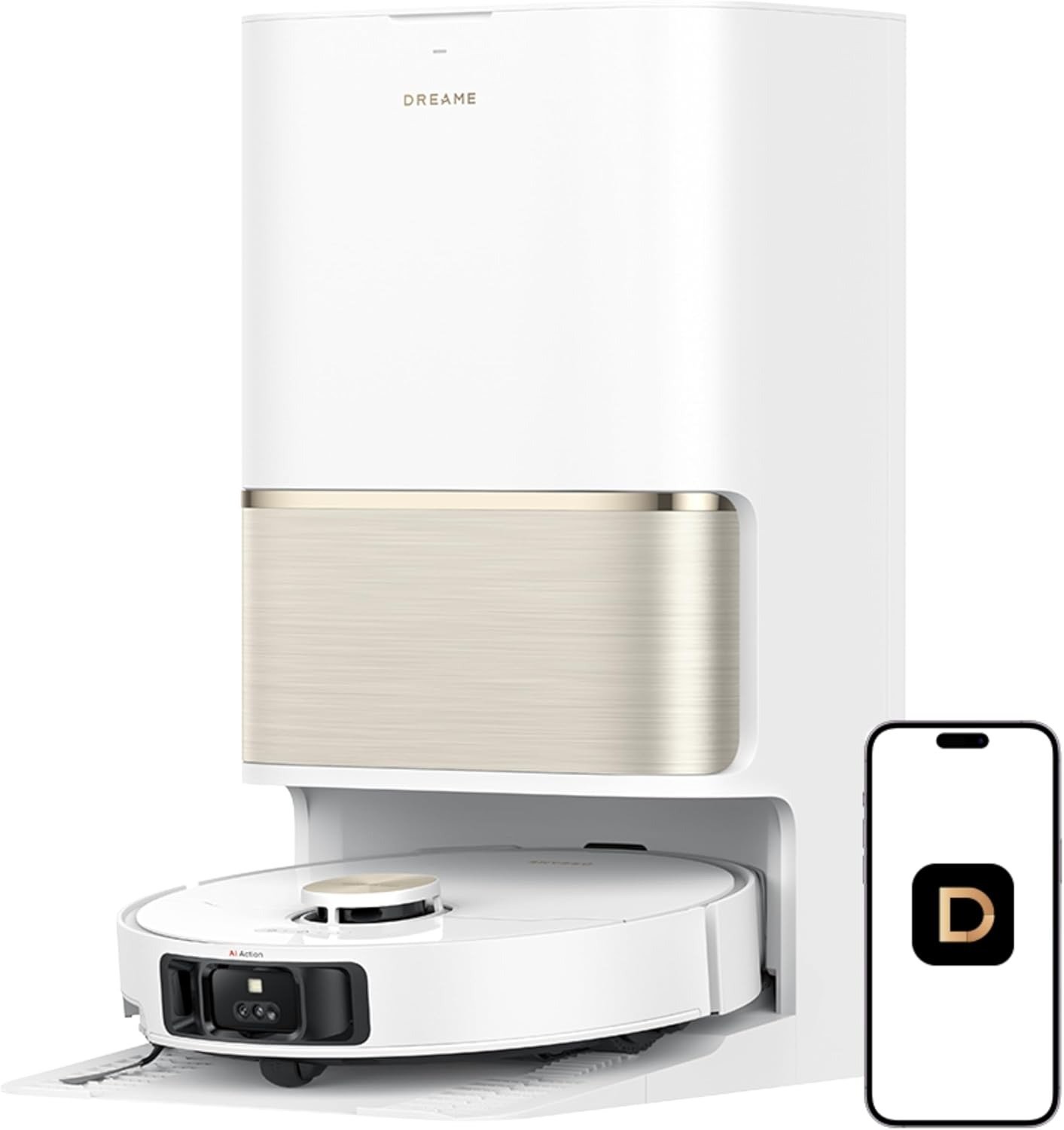
In the flagship robot vacuum and mop class, models like the X8 Pro Omni are usually praised for:
- stronger daily pickup versus midrange units,
- more complete dock automation,
- better mopping consistency than basic pad systems,
- and lower daily effort once routines stabilize.
But the same category commonly receives criticism when:
- mapping trust fails,
- obstacle avoidance misses cords,
- edge/corner expectations are too high,
- or dock hygiene feels “not as hands-free as imagined.”
The market truth is simple: premium robots rarely fail because they can’t clean. They fail because they can’t be trusted to clean without supervision in a normal home.
🔗 [LINK: complete technical analysis]
Decision Transition Section — How to Evaluate X8 Pro Omni Fit Without Guessing
At this stage, the correct next step is a structured evaluation that matches your home variables. The decision is not “is it good,” but “is it good for my reality.”
To evaluate fit precisely, you need clear answers to:
- How much of your home is hard floor vs carpet, and how sensitive you are to edge residue.
- Whether thresholds, rugs, and cords are routine obstacles in your layout.
- مدى تحملك لصيانة الرصيف (الخزانات، الصواني، التنظيف الدوري).
- Your hair load (pets/long hair) and how often tangles typically happen.
- How important mapping stability is for your schedule and lifestyle.
Here is the controlled forward step into the transactional evaluation:
One Comment