De’Longhi Dedica Arte Review: The Shot Looks Right Until the Routine Starts Asking More
DE’LONGHI DEDICA ARTE
The first thing this machine gets right is exactly what traps most buyers.
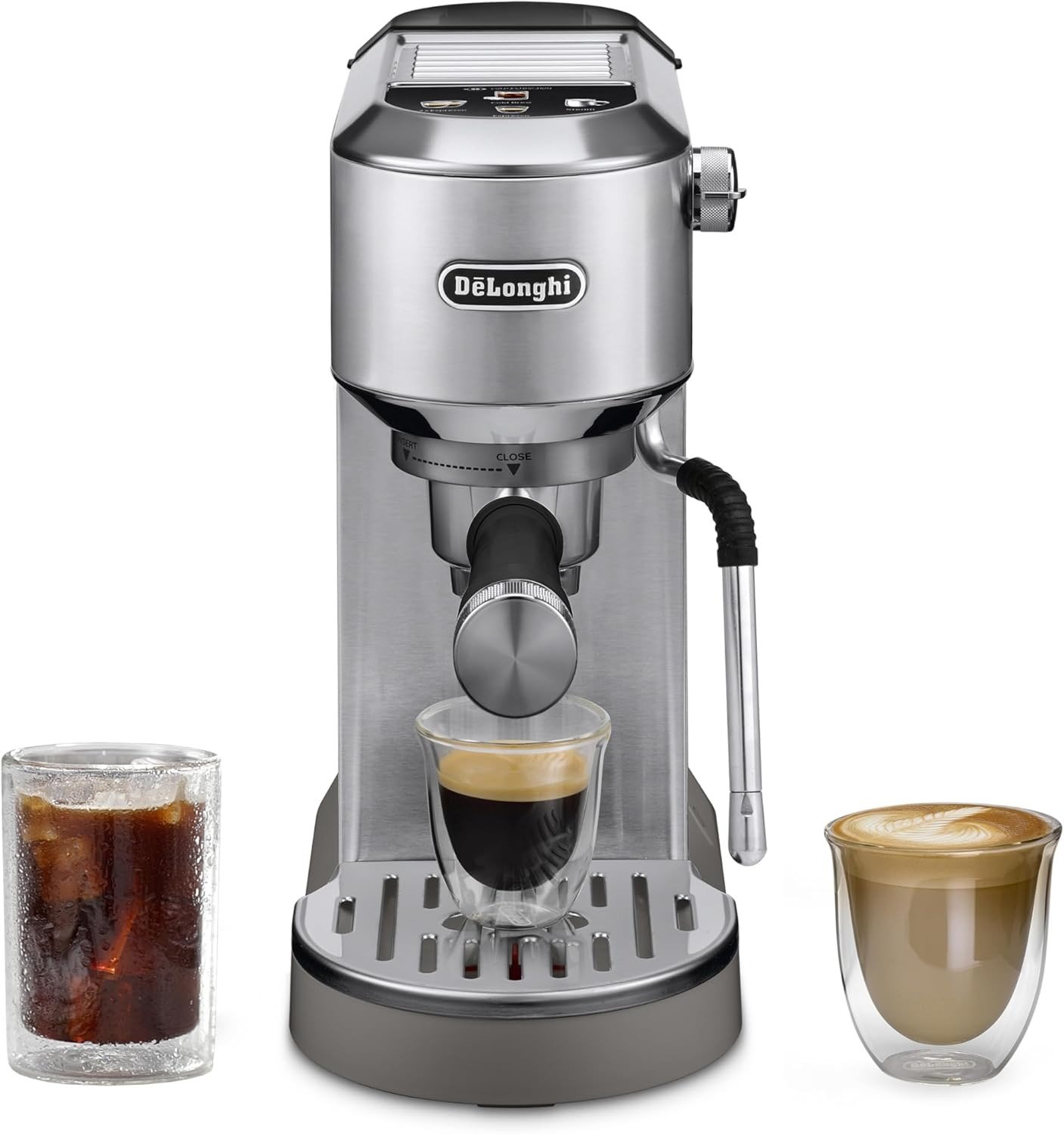
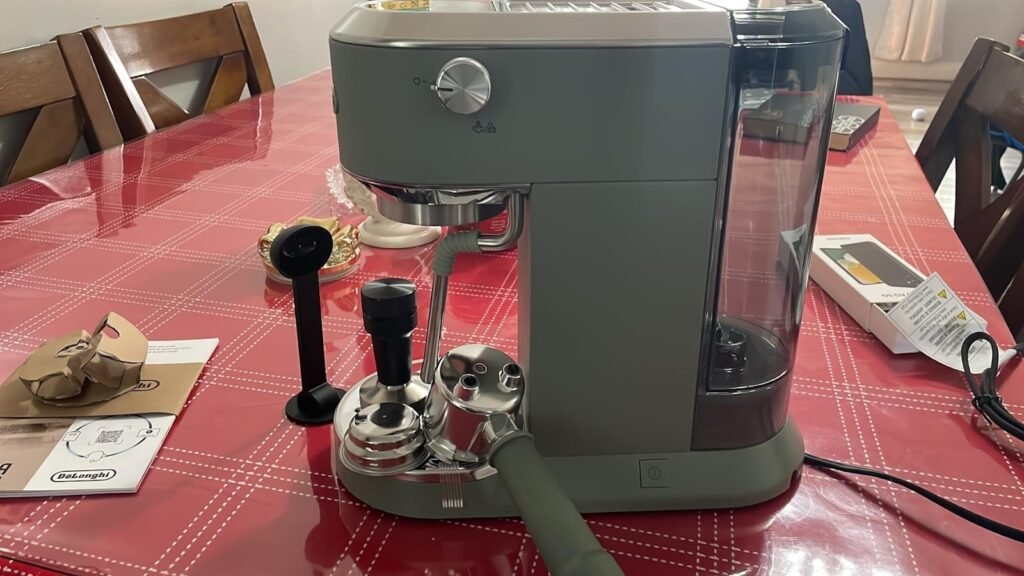
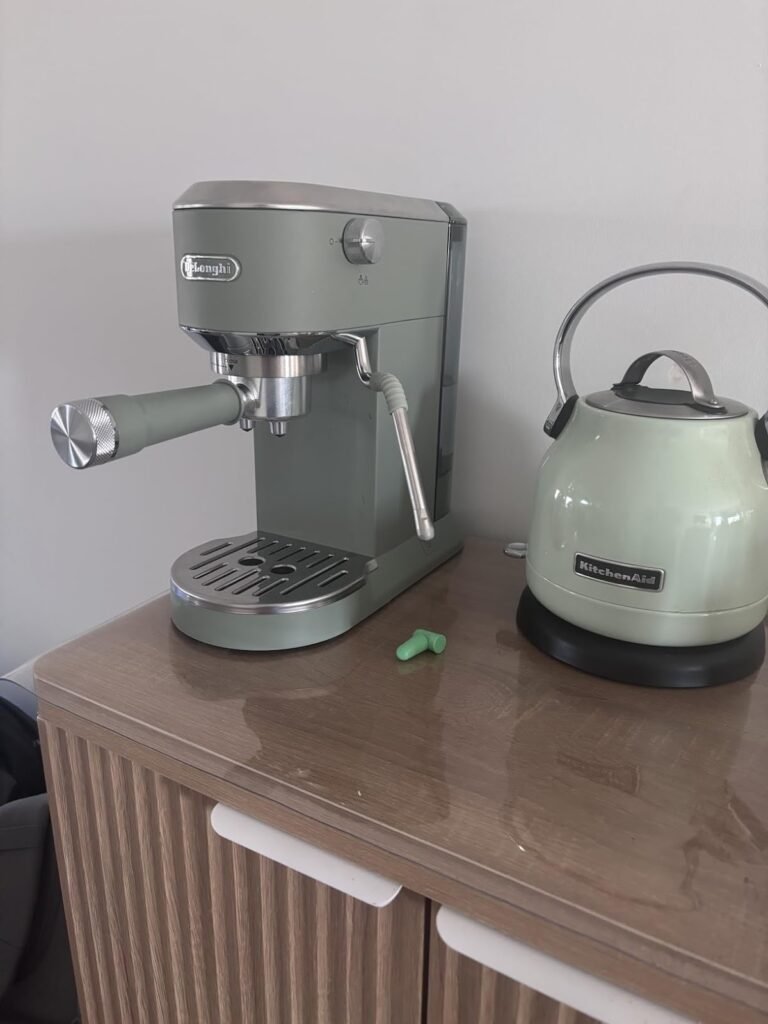
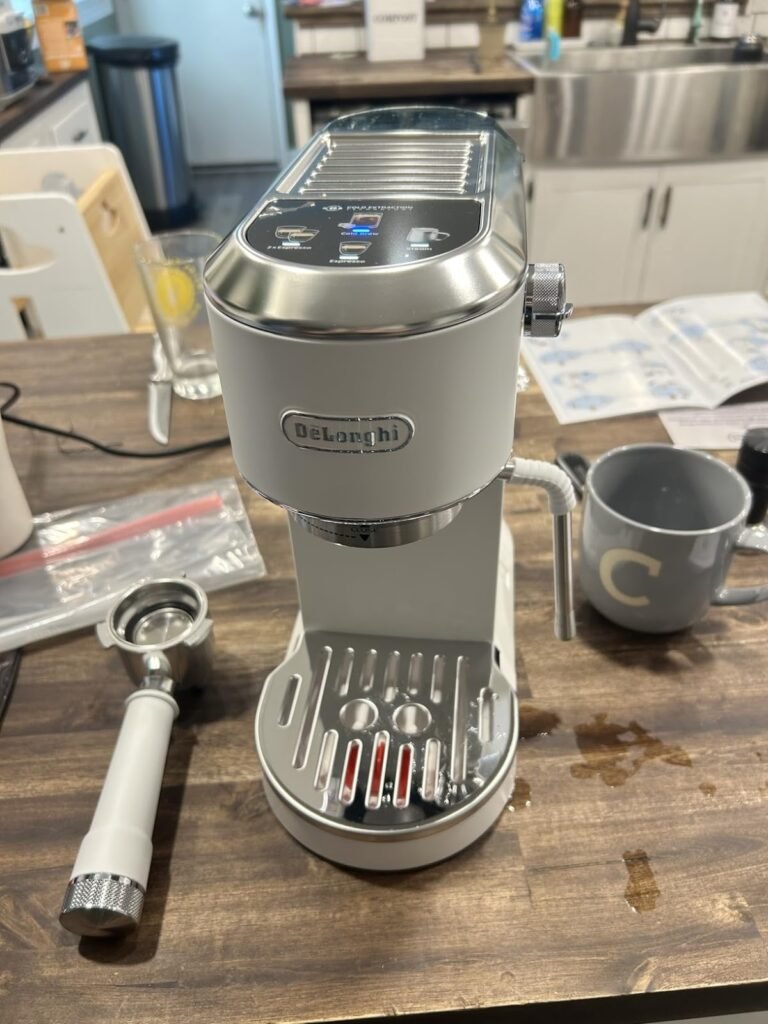
It looks slim, serious, and almost suspiciously easy to live with. At roughly 15 cm wide, with a 1.1 L tank, a thermoblock heater, 15-bar pump branding, adjustable tray height, and a manual steam wand, the De’Longhi Dedica Arte EC885M presents itself as the clean answer to a familiar home problem: I want real espresso without handing half my counter to a machine that behaves like a hobby. De’Longhi also leans into that promise with an included metal tamper, an 18 g-capable basket, automatic flow stop, and a “My LatteArt” wand positioned as a step up from the older Dedica’s simpler frothing setup.
That is the visible result.
The less visible part is what happens after the first week, when the machine stops being a countertop object and starts becoming a morning system. That is where this article lives. Not at the level of “can it make espresso?” Almost any pump machine can. The real question is narrower and more useful: at what point does a compact semi-manual machine stop feeling like a clever shortcut and start exposing the cost of its own simplicity? That is the threshold that matters here.
The Result Looks Fine. The Problem Isn’t.
A machine like this can fool you because the early wins are real.
It heats fast. The footprint is genuinely small. It can fit taller cups. The wand is more serious than the throwaway frothers bundled with cheaper entry machines. Multiple reviewers and retailers describe it as approachable, compact, and capable of producing pleasant milk drinks without demanding a huge learning curve. User ratings are broadly positive on major retail pages too, with Target showing 4.3/5 from 213 reviews.
That is why the machine sells so well into a very specific dream: café-style drinks, less clutter, less ceremony, less intimidation.
But “good enough on day three” and “still satisfying once your palate and routine mature” are not the same thing. This is where many buyers misread their own future. They think they are buying a compact espresso machine. In reality, they are buying a compact espresso ceiling. The Dedica Arte is attractive precisely because it hides that ceiling well at the start.
What You’re Actually Feeling but Not Naming
Most people do not describe the real irritation correctly.
They say the coffee feels “a bit inconsistent.” Or they say the milk drinks are fine, but the ritual feels touchy. Or they notice that one morning the shot is pleasant, the next it is sharp, and a third one lands flat for no obvious reason. Then they blame beans, grinder, tamp, or themselves.
Sometimes that is true. Often it is incomplete.
What they are actually feeling is control drift: the slow gap between a machine that produces espresso and a machine that lets you repeat espresso cleanly under normal life conditions—when you are rushed, when the machine is not fully warm, when you steam first by mistake, when you want two milk drinks back-to-back, when your beans are a little less forgiving, when you stop treating every shot like a ceremony. That friction is not dramatic, which is exactly why it lingers.
I would name that the Routine Repeatability Threshold.
Before that threshold, the Dedica Arte feels smart.
After it, the machine starts asking you to compensate.
The Hidden Mechanism Behind the Miss
The hidden variable is not pressure. It is not the marketing-friendly 15-bar number. It is not whether the machine can make foam.
It is temperature management and extraction control relative to the kind of coffee routine you are trying to build.
De’Longhi’s own materials highlight thermoblock heating, fast readiness, programmable volume, and a manual steam wand, but they do not position the Dedica Arte as a PID-controlled, single-wall-basket, highly tunable platform. In Amazon’s own comparison section, the Dedica Arte lacks active temperature control and lacks the single-wall basket that De’Longhi reserves for the Dedica Maestro Plus. That distinction matters more than the beginner usually realizes, because once you start chasing repeatable espresso rather than merely espresso-shaped output, tighter thermal and basket control become disproportionately important.
That is also why better-regarded beginner machines in broader testing keep getting praised for temperature consistency, PID control, and forgiving extraction behavior. Serious Eats, after testing 34 machines, highlighted the Breville Bambino Plus specifically for temperature consistency, pre-infusion, and ease of dialing in. That is not a random feature list. It is a map of what starts to matter once your expectations rise above “I made something strong with crema.”
User feedback around the Dedica family points in the same direction. One experienced Reddit owner described the group head as not heating enough without blank shots and said temperature can run high and feel less predictable, especially if steam mode enters the workflow before brewing. That kind of comment matters because it explains the feeling many buyers cannot articulate: the machine can work, but it sometimes asks you to manage its state more carefully than the exterior suggests.
The Threshold Where the Outcome Quietly Breaks
The break point is not “when you become an espresso snob.”
That is the lazy version.
The real break point arrives when your routine begins to require repeatability under variation. Not one decent latte on a calm Saturday. Two drinks before work. Different beans. Slightly finer grind. A milk workflow that does not punish you for sequence mistakes. A shot that still lands close when your attention is split.
That is where compact convenience stops being the whole story.
Below is the practical threshold map I would use after going through the specs, expert commentary, and user patterns:
| Routine condition | Dedica Arte behavior |
|---|---|
| One or two milk drinks a day, forgiving beans, low tinkering | Strong fit |
| Small kitchen, style matters, footprint matters daily | Strong fit |
| Mostly milk-based drinks rather than straight espresso | Strong fit |
| Wants immediate café ritual without a giant machine | Strong fit |
| Wants high shot consistency across changing beans and workflow | Weak fit |
| Wants deeper espresso tuning from the machine itself | Weak fit |
| Wants multi-drink steaming without recovery frustration | Borderline to weak |
| Wants a machine that hides thermal quirks from the user | Weak fit |
That table reflects the core pattern across manufacturer claims, retailer feedback, reviewer experience, and category-level testing standards. The Dedica Arte performs best when the drink style and user expectations are forgiving. It gets exposed when precision and repeatability become part of the brief.
Why Most Buyers Misread This Too Early
They over-read the visible signals and under-read the operational ones.
A metal tamper feels serious. A manual wand feels advanced. “Latte art” language feels like graduation. The stainless design reads premium. The 15-bar phrasing sounds professional. On paper, the machine appears to sit halfway between beginner convenience and enthusiast control. That is the seductive mistake.
But some strengths here are really just a better version of entry-level framing, not a meaningful move into enthusiast-grade repeatability.
The improved wand matters. The included tamper is better than the plastic afterthoughts commonly bundled at this level. The compact form is genuinely useful. Yet the machine still carries the usual compromises of a slim thermoblock entry platform: more dependence on workflow discipline, less built-in thermal confidence, and more tolerance needed from the user when conditions shift. Even a positive specialist review like Coffeeness essentially narrows the upgrade argument: the Arte is more compelling if you care about better milk texture; less so if you do not. That is not a flaw in the review. It is the clue.
The counter-intuitive truth is simple:
Many buyers think they are paying for better espresso. They are often paying for better presentation, better milk handling, and a better start.
Those are not the same purchase.
Who Is Actually Inside This Problem
This machine makes sense for a very specific person.
Not the broad fantasy customer in product photos. The real one.
| Buyer type | Real fit |
|---|---|
| Wants cappuccinos and lattes more than espresso purity | Strong |
| Lives with a small kitchen and cares about footprint every day | Strong |
| Upgrading from pods, moka pot, or basic drip and wants a hands-on step up | Strong |
| Wants manual-feeling coffee without jumping into full espresso obsession | Strong |
| Expects café-level straight shots from varied beans with low workflow sensitivity | Weak |
| Already notices extraction nuance and temperature stability | Weak |
| Hosts often and wants several milk drinks in a row without patience tax | Weak |
| Wants the machine itself to reduce technique burden as skills grow | Weak |
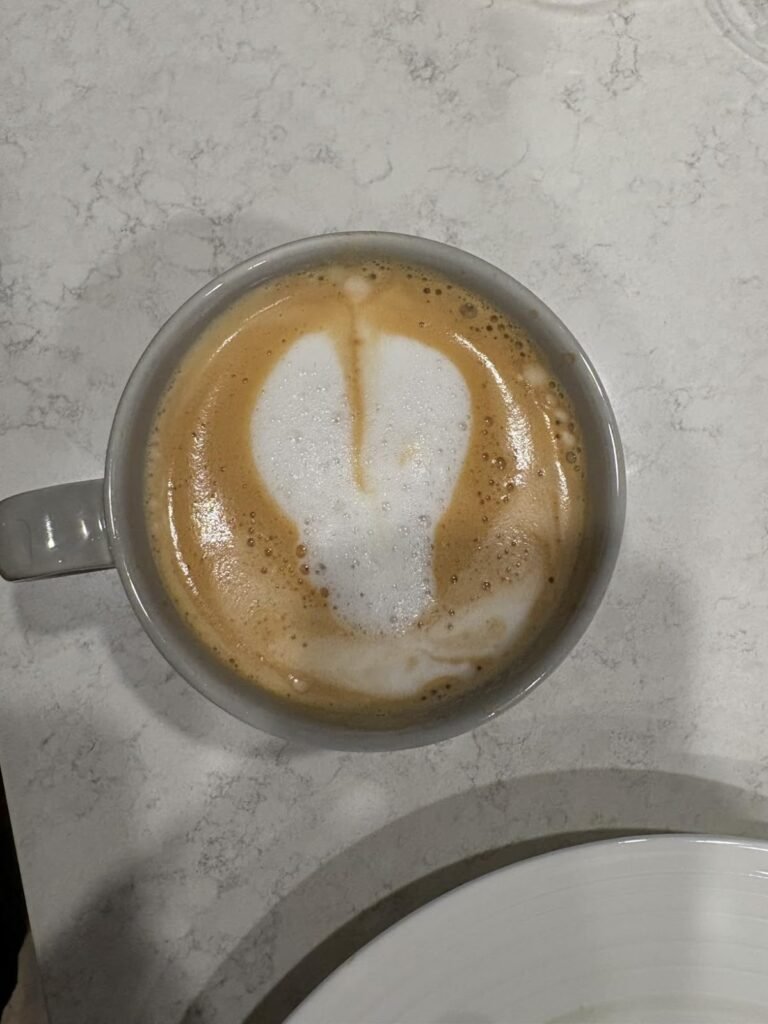
If you are mostly a milk-drink user, the Dedica Arte’s case strengthens fast. The wand is one of the main reasons this model exists, and several sources describe it as more capable than the baseline Dedica setup for texturing milk or at least moving closer to that outcome. For a buyer whose coffee life is mostly cappuccino, flat-white-adjacent drinks, and morning convenience inside a cramped space, this matters more than forum-level arguments about absolute shot optimization.
If, however, your satisfaction depends on black espresso quality staying stable while your beans, grind, timing, and routine evolve, the machine’s compact charm starts to work against you. That is the quiet split many buyers fail to identify before purchase.
Where Wrong-Fit Begins
Wrong fit begins the moment your priority shifts from access to espresso to control over espresso.
That sounds subtle. It is not.
Here is the boundary in plain English:
| If your priority is… | Then the Dedica Arte is… |
|---|---|
| Small size without looking cheap | A logical option |
| Better milk drinks than a bare-bones starter machine | A logical option |
| Attractive daily ritual with moderate effort | A logical option |
| Learning manual basics without devoting the kitchen to gear | A logical option |
| Thermal confidence and repeatability as your palate sharpens | A risky option |
| More transparent feedback from the machine | A risky option |
| Growing into better beans rather than staying with forgiving dark roasts | A risky option |
| Serving multiple serious coffee drinkers in one burst | A poor option |
I would go further.
This is not for the buyer who already knows that small inconsistencies will bother them more after month three than shiny steel pleases them on day one.
It is not for the person who uses straight espresso as the final judge.
It is not for the buyer who hears “commercial-style wand” and imagines the rest of the machine has made the same jump.
And it is definitely not for the person who wants the machine to absorb their workflow mistakes rather than expose them. The available evidence simply does not point there.
The One Situation Where This Product Becomes Logical
The Dedica Arte becomes logical in one very specific situation:
You want a compact, good-looking, hands-on machine for milk-based drinks, you accept that workflow still matters, and you are not buying it as a long runway into precision espresso.
That is the clean authorization.
Not “best for everyone.”
Not “barista quality” in the inflated internet sense.
Not “a cheaper substitute for more controlled machines.”
Just this:
It is a compact milk-drink-first manual platform for people who want a more tactile espresso ritual than pods or full automation, but who are still willing to trade some repeatability and thermal certainty for footprint, visual appeal, and lower system burden. That is where the machine stops sounding vague and starts sounding honest.
If that is your actual condition, then the Dedica Arte is not a compromise in the insulting sense. It is a compact answer with a defined edge.
If that is not your condition, the machine can still impress you briefly—then irritate you slowly.
What It Solves, What It Reduces, and What It Still Leaves to You
Here is the honest operational picture.
| What it solves | What it reduces | What it still leaves to you |
|---|---|---|
| Counter-space anxiety | The jump from basic home coffee to manual espresso ritual | Managing workflow carefully |
| Desire for better milk texture than simpler starter setups | The fear that manual espresso machines must be huge or intimidating | Living with less transparent temperature behavior |
| Need for a machine that looks premium in a small kitchen | The friction of bulky, ugly equipment | Accepting limits when expectations rise |
| Simple daily milk drinks | Guesswork around dose baskets and starter accessories compared with poorer bundles | Handling recovery time, sequencing, and shot consistency yourself |
The most useful trade-off framing is this:
You gain size efficiency and a more credible milk setup, but you trade off a chunk of the built-in stability that makes better beginner machines feel easier than they should. That trade can be perfectly fair. It just should not stay hidden.
Final Compression
After pulling this apart from the manufacturer materials, specialist commentary, category testing, and user feedback, I would not describe the De’Longhi Dedica Arte as a bad machine.
I would describe it as a machine with a sharply defined threshold.
It wins early because it is slim, visually convincing, friendlier than a large enthusiast setup, and better equipped for milk drinks than the most stripped-down entry machines. It loses later for buyers who mistake that polished start for deeper control. The real dividing line is not price. It is not branding. It is not even experience level in the abstract.
It is whether you need repeatability under routine variation.
If you do, this machine will eventually ask too much from you.
If you do not, and your real goal is compact daily cappuccino-and-latte life with a more manual feel, the Dedica Arte becomes easy to justify.
That is the whole decision compressed to one sentence:
The De’Longhi Dedica Arte is logical when footprint and milk-drink usability matter more than long-term espresso control.
Transparency Note:
This analysis is not based on quick personal impressions.
It is derived from documented system behavior, verified user patterns, and the physical constraints of storage capacity.
The goal is to translate complex technical behavior into a realistic performance model that helps you make a clear decision.
“A quick note: Don’t believe the star ratings, but trust personal experience. This article is a compilation of collected experiences”