When a Basic Sprinkler Timer Starts Creating More Work Than It Saves
ANALYSIS FRAMEWORK
The problem usually starts as a small irritation, then quietly becomes a routine tax
I notice the real irrigation problem long before most people name it correctly.
It is not “my controller is broken.”
It is that low-grade, repeating annoyance of checking the sky, second-guessing the schedule, and realizing the system still ran after a cool spell or skipped after a dry stretch.
That kind of friction does not feel dramatic. It feels like being interrupted by your own yard.
And that is exactly why people tolerate it for too long.
The relief point comes when the controller stops being a timer and starts absorbing part of the judgment load for you.
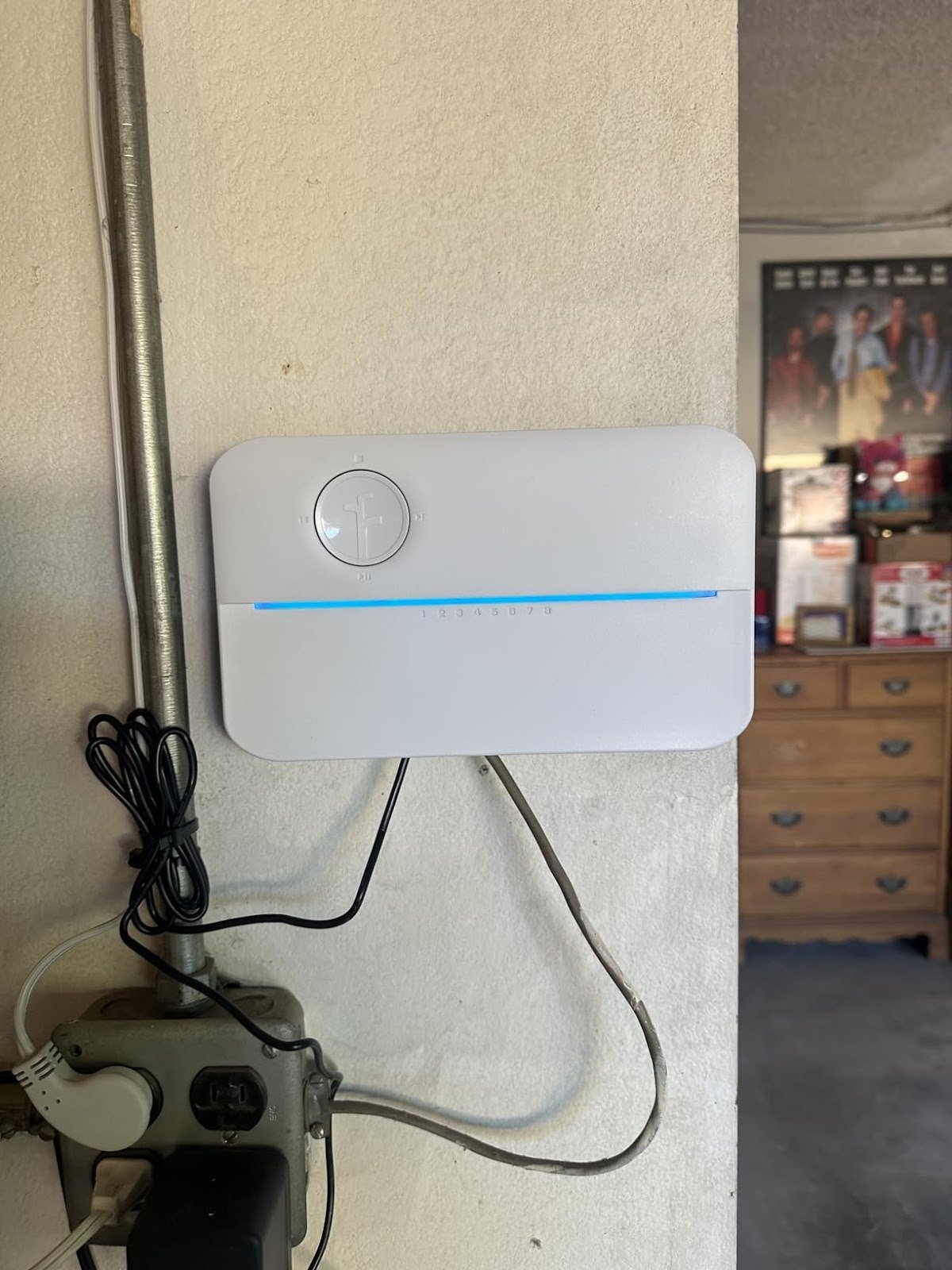
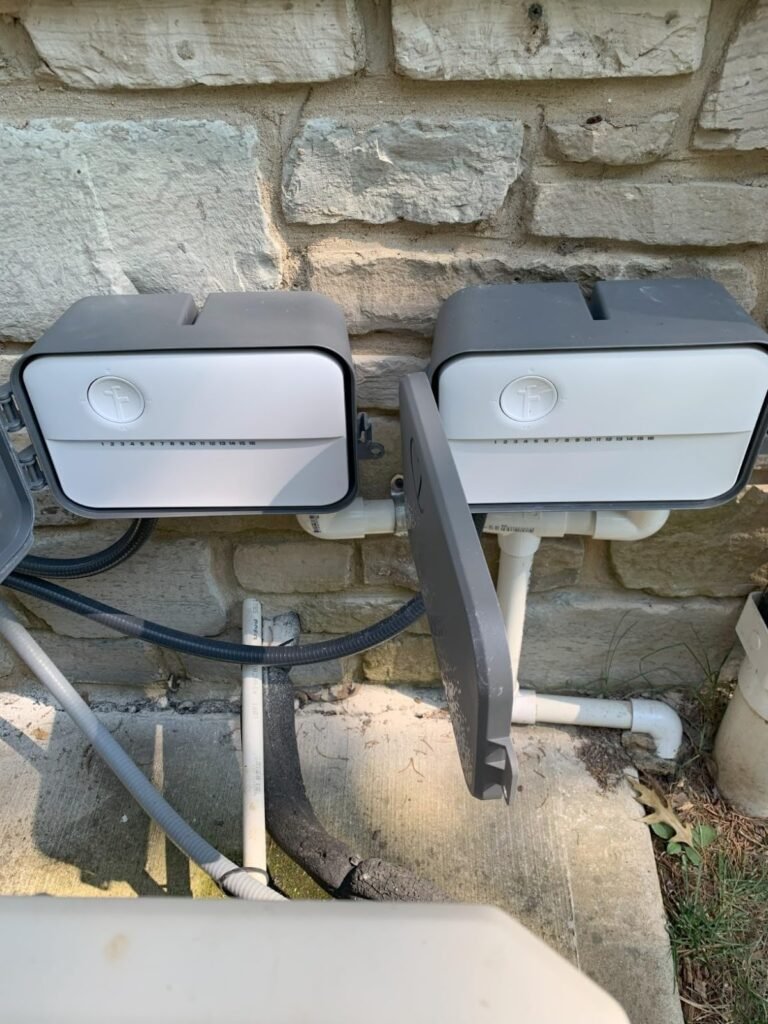
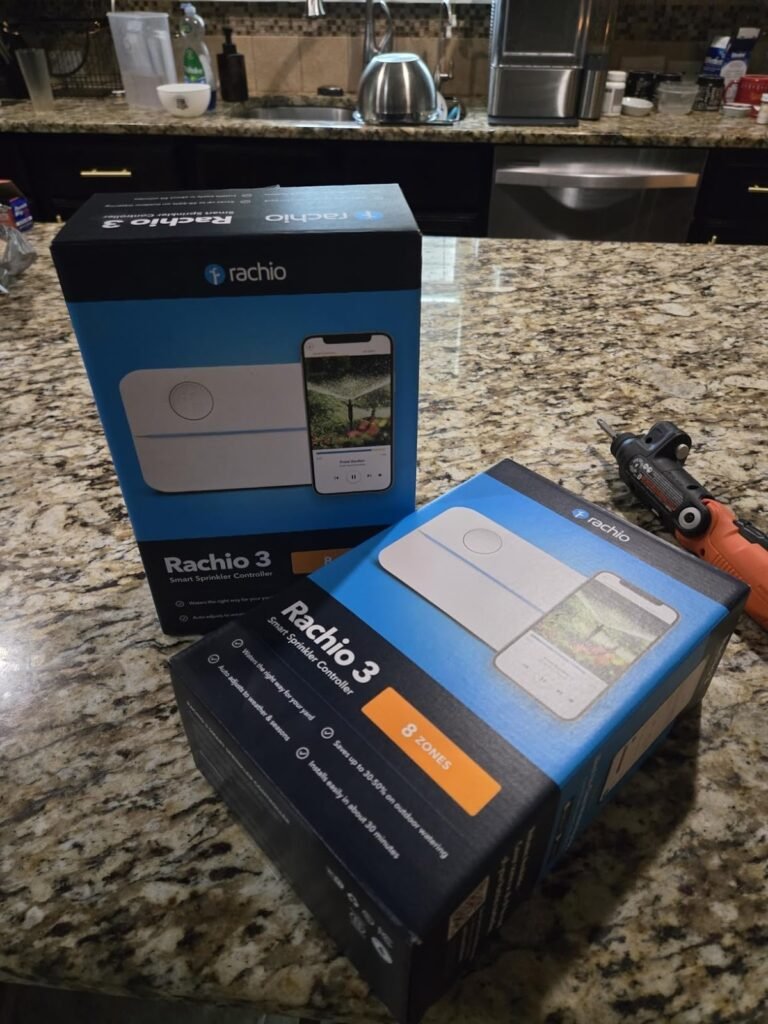
Rachio 3 is built around that shift: app control, weather-based adjustments, zone-based setup, no monthly fee, and installation positioned as roughly a 30-minute swap rather than a weekend project.
The secret most buyers miss is that the real cost is not water first—it is attention
Most people think they are buying smarter watering.
I do not think that is the deepest reason.
I think they are buying back mental space.
That is the uncomfortable truth in this category: once a yard has multiple zones, different sun exposure, seasonal swings, and a human owner who is busy, a dumb controller becomes a tiny recurring decision machine.
Rachio leans into that with schedules built around plant type, soil, slope, shade, and local weather, which is why the strongest positive feedback keeps clustering around ease of use, app quality, and reduced micromanagement rather than around flashy hardware bragging.
On Best Buy, the 8-zone model sits at 4.8/5 from 446 reviews, with “Ease of Use,” “Water Conservation,” and “App” repeatedly surfacing as core strengths; on Rachio’s own site, the line shows 4.7/5 from 1,755 reviews.
Where the threshold actually appears
The threshold is not technical.
It is behavioral.
I see it appear when the owner starts doing one or more of these things often enough to resent them:
| Repeating pattern | What it really means |
|---|---|
| Checking forecasts before watering days | The controller is no longer trusted |
| Editing schedules every season | The routine is too manual |
| Running some zones “just in case” | Precision has already broken down |
| Traveling and still thinking about irrigation | The system still depends on your attention |
| Looking at water bills and lawn stress together | You are paying in two directions |
That is where the category changes.
A cheap timer still looks economical right up until your own time, corrections, and inconsistency become part of the price.
Once that happens, the question is no longer “Do I need smart irrigation?”
The sharper question is “At what point does manual control become the expensive choice?”
Rachio is strongest exactly there.
TechHive still names the Rachio 3 the best smart sprinkler controller overall, praising its better water intelligence, faster setup, onboard controls, and stronger wireless behavior, while also flagging the premium price.
The counter-intuitive truth is that automation can create frustration if you expect it to erase judgment completely
This is the part softer reviews tend to blur.
A smart sprinkler controller does not become good because it automates.
It becomes good when its automation reduces the right kind of human intervention without introducing new doubt.
Rachio 3 generally wins that trade, but not perfectly.
Recent community complaints show where the fault line lives: weather logic can sometimes skip watering in ways some owners consider too aggressive, especially when local reality and forecast-based assumptions drift apart.
In one 2024 community thread, a user described the controller applying a saturation skip after several hot, dry days, while another user recommended adjusting saturation-skip settings and precipitation thresholds.
That exchange tells me something more useful than either praise or outrage on its own: the product is strongest when the weather logic matches the yard and the setup is disciplined, not when the buyer expects “smart” to mean infallible.
This is why the Rachio 3 keeps holding its position anyway
The reason is simple.
It keeps solving the part of the problem people feel every week.
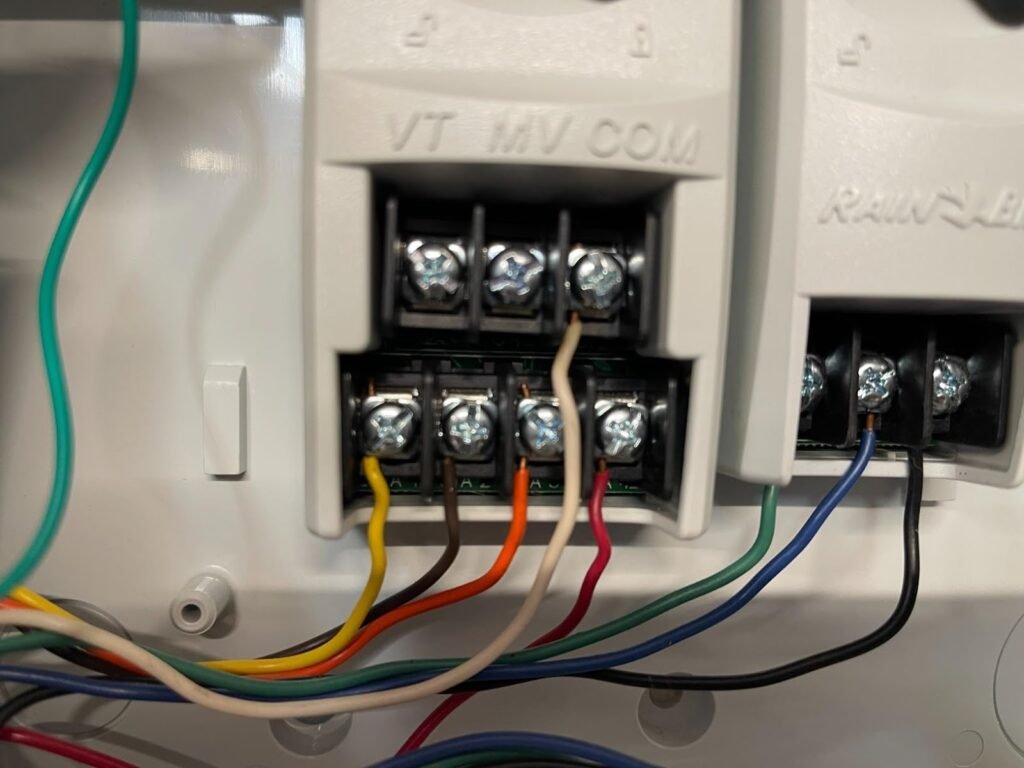
It supports 2.4GHz and 5GHz Wi-Fi, works with master valves and selected sensors, carries WaterSense certification, and is designed for existing in-ground irrigation systems rather than exotic custom rebuilds.
More importantly, the product keeps earning trust from two different directions at once: expert reviewers continue to place it at the top of the category, and mainstream buyers keep praising installation, usability, and remote control.
That alignment usually does not happen by accident.
It usually means the product is not perfect, but the center of gravity is strong.
My working rule after reviewing the evidence
Here is the cleanest rule I can extract from the specs, reviews, and complaint patterns:
a smart sprinkler controller starts making sense when the burden of remembering, checking, and correcting watering becomes more annoying than the price of fixing the routine.
That is the useful “aha” moment.
Not “smart equals better.”
Not “automation saves everyone.”
Just this: when irrigation starts pulling your attention repeatedly, the controller stops being a gadget and starts becoming relief.
Rachio 3 is one of the clearest examples of that threshold because it combines app-first control, weather logic, broad compatibility, and unusually low installation friction in one package.
The missing piece is not whether it is good—it is whether it fits your yard, habits, and tolerance for cloud-based automation
That is where the next step matters.
General approval is not the same thing as personal fit.
The sharper decision is not “Is Rachio 3 popular?”
It is “Will its strengths actually remove my routine friction, or will its weather logic, price, and cloud dependence become the new irritation?”
That second question is where the real decision starts.
Transparency Note:
This analysis is not based on quick personal impressions.
It is derived from documented system behavior, verified user patterns, and the physical constraints of storage capacity.
The goal is to translate complex technical behavior into a realistic performance model that helps you make a clear decision