Rachio 3 Review — The Point Where the Upgrade Becomes the Calm Choice
DECISION ANALYSIS
I do not read this as a smart-home toy—I read it as a fix for a repeating household annoyance
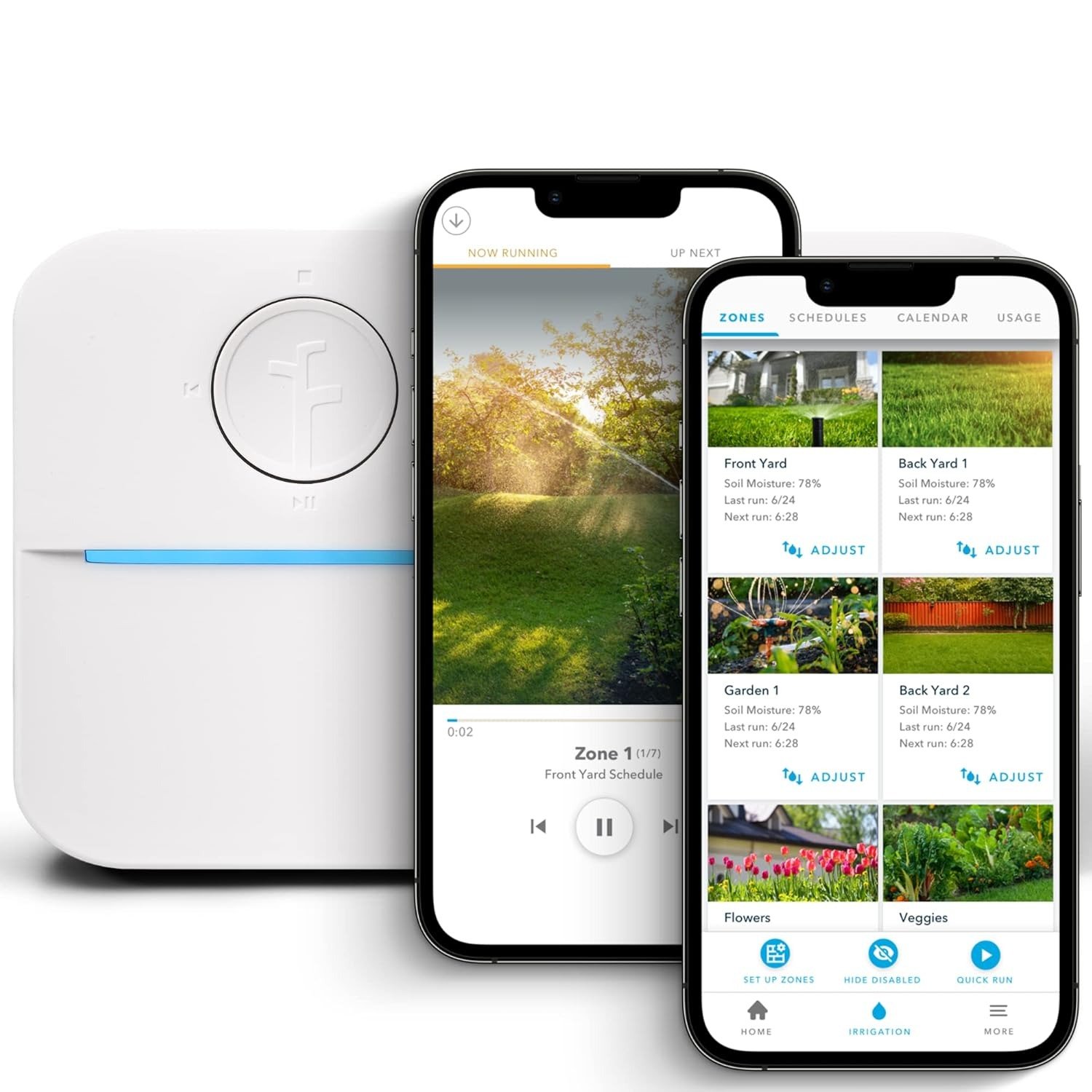
The buyers who get real value from the Rachio 3 usually are not chasing novelty. They are tired. Tired of opening the weather app before watering days. Tired of seasonal edits. Tired of wondering whether the lawn is stressed because the schedule is stale or because the controller is too dumb to adapt. That pain matters because it is not loud enough to force action quickly, but it is persistent enough to wear down trust in the old routine. This is where the Rachio 3 earns its place. It offers app-based scheduling, weather intelligence, no monthly fee, dual-band Wi-Fi, and installation aimed at replacing an older controller in about 30 minutes. That combination is not exciting on a spec sheet. In actual ownership logic, it is relief architecture.
The strongest reason to trust it is that the praise is unusually consistent
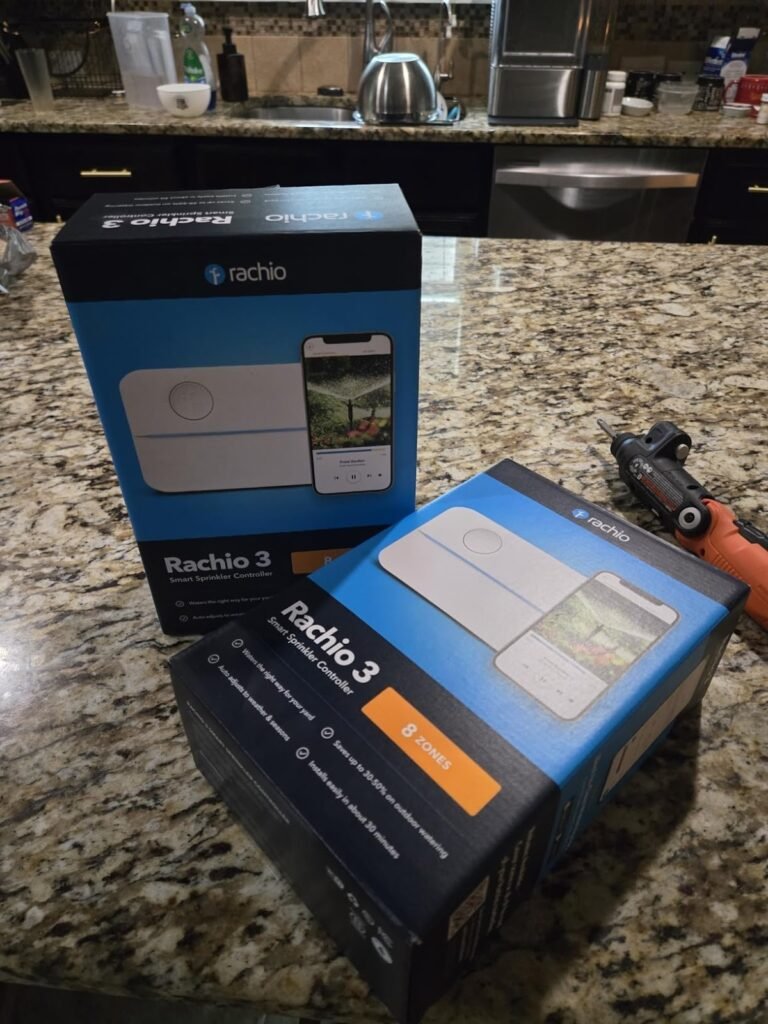
When I line up the evidence, the same strengths keep resurfacing: easier setup, cleaner app control, remote management, and meaningful reduction in sprinkler micromanagement. TechHive still ranks the Rachio 3 as the best smart sprinkler controller overall and specifically highlights stronger water intelligence, improved connectors, and onboard controls. On Best Buy, the 8-zone version is rated 4.8/5 with 446 reviews and 97% recommendation intent, while the feature ratings are especially strong for quality and ease of use. That matters because it shows the product is not being carried by one type of praise alone. Experts and ordinary owners are largely pointing to the same center of value.
The part that separates smart buyers from frustrated buyers is expectation control
Here is the truth that saves people from the wrong purchase: the Rachio 3 is not best for people who want to stop thinking forever. It is best for people who want to think much less. That sounds small, but it is the whole split. A controller that uses weather logic, thresholds, and zone-specific scheduling can dramatically reduce routine intervention. It cannot replace good inputs, realistic yard knowledge, and occasional judgment. Once I frame it that way, the mixed feedback becomes much easier to understand. The product is not inconsistent. Expectations are.
Where it fits best and where it starts to miss
| Buyer condition | Fit |
|---|---|
| Existing in-ground irrigation system | Strong |
| Multiple zones with different exposure or needs | Strong |
| Wants app control and remote access | Strong |
| Wants weather-aware automation without subscription fees | Strong |
| Wants fast DIY replacement of an older controller | Strong |
| Expects full local-only control with no cloud dependence | Weak |
| Expects weather automation to be right every single time | Weak |
| Wants the lowest-cost possible upgrade | Borderline |
| Wants the controller to reduce weekly attention load | Strong |
That table says more than a long “pros and cons” section because it shows the trade directly. You gain less routine friction, cleaner control, and smarter scheduling, but you trade away perfect autonomy and full independence from cloud-based logic. Rachio’s own materials emphasize app control, smart schedules, and weather-driven adjustment; the support documentation also makes clear that internet-connected operation is part of the experience, including Wi-Fi availability at the installation location.
The uncomfortable weak point is not setup—it is trust drift over time
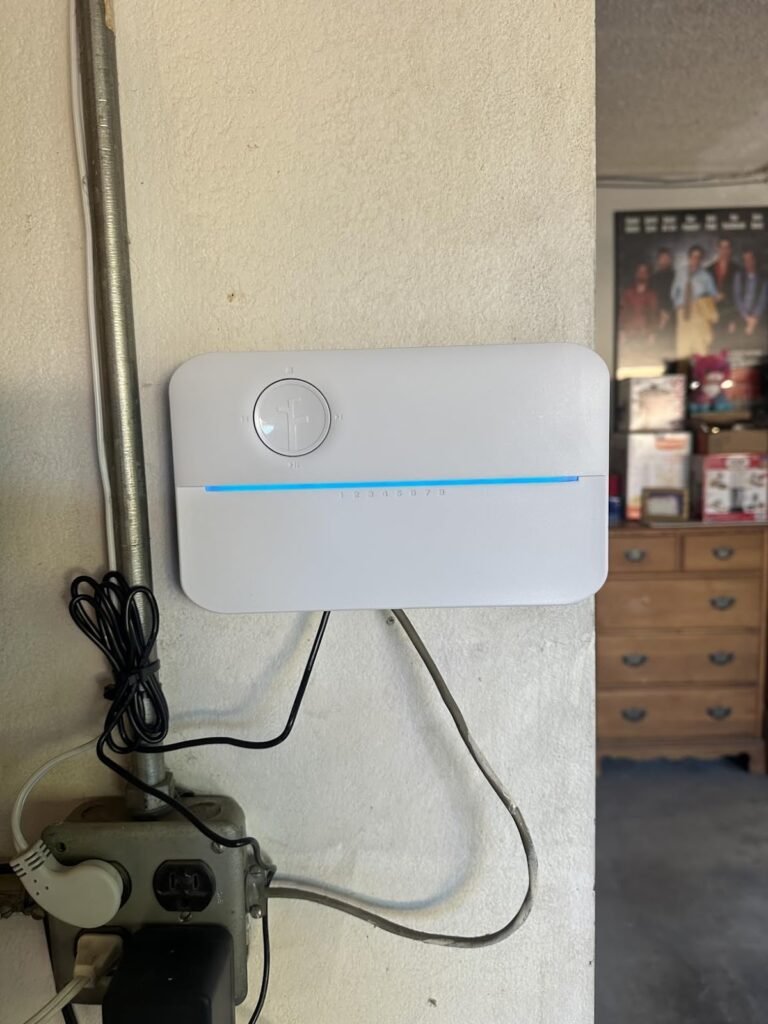
This is the part many buyers do not predict. Setup is often the easy victory. Long-term trust is the real test. Several complaints in Rachio’s community are not about installation or app design at all. They are about moments when weather intelligence feels too aggressive or misaligned with what the owner sees on the ground. That matters because irrigation frustration is cumulative. One wrong skip might be forgivable. Repeated doubt turns the controller from relief into another thing to supervise. The irony is that the very feature that makes the Rachio 3 attractive—automation—also becomes the one buyers watch most closely when conditions shift.
The “aha” rule that makes the decision much easier
My rule is simple: buy this controller only if your real problem is repeated watering management friction, not just the desire to own something smarter. That distinction protects you from both overspending and underestimating the product. If your old controller is basically fine and your routine barely bothers you, this upgrade will feel optional. If your current system keeps asking for attention, edits, forecast checks, and “just in case” manual runs, the Rachio 3 starts looking far more rational. That is the threshold. Not features. Not branding. Friction.
My decision line
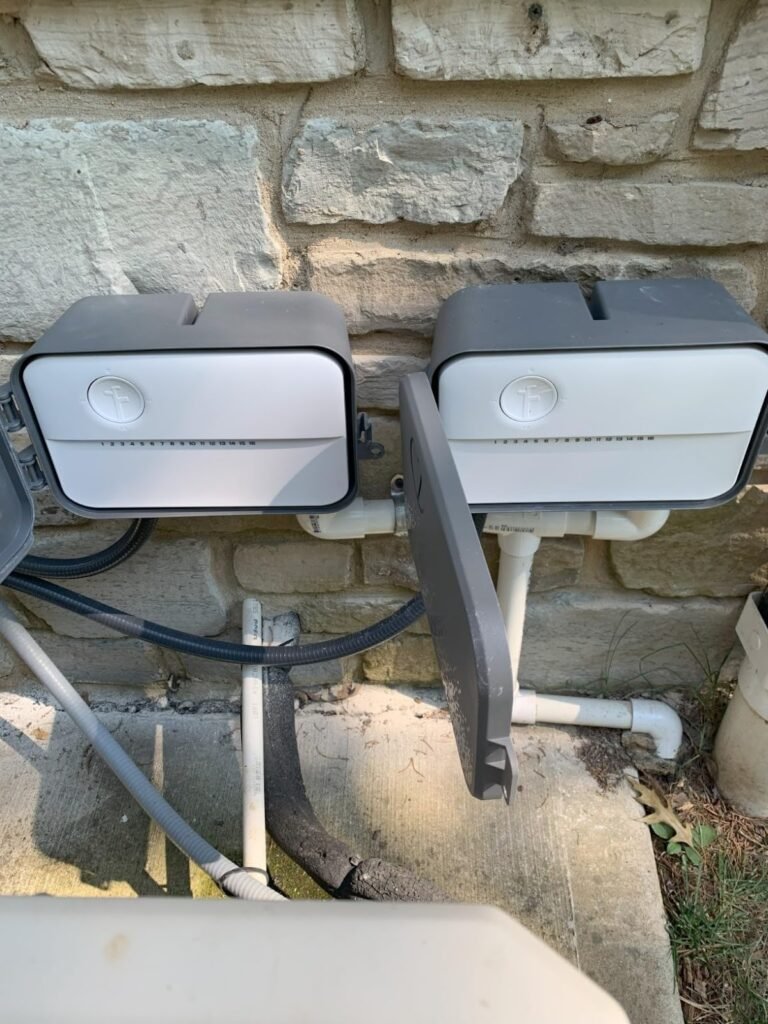
I would put the Rachio 3 in the “calm yes” category for homeowners with an existing multi-zone in-ground system who want less irrigation babysitting, easier control, and weather-aware scheduling without a subscription. I would keep it out of the hands of buyers who need local-only resilience, hate cloud dependence, or expect automated watering logic to behave like a perfect groundskeeper. That is the clean compatibility split. Once that split is clear, the product becomes much easier to judge fairly.
Final decision
If your yard has started interrupting your attention more often than it deserves, and your old controller keeps turning watering into a repetitive judgment task, the Rachio 3 is not a flashy upgrade. It is the practical way out of a routine that has become noisier than it should be.
[LINK → Product Page: Rachio 3 Smart Sprinkler Controller, 8-Zone]
What comes next
The last missing question is the one most buyers ask too late: not whether the controller is smart, but whether the ongoing routine around it will stay light once the novelty disappears. That is the final piece that determines whether the purchase feels smooth six months later—or quietly starts asking for attention again.
Transparency Note:
This analysis is not based on quick personal impressions.
It is derived from documented system behavior, verified user patterns, and the physical constraints of storage capacity.
The goal is to translate complex technical behavior into a realistic performance model that helps you make a clear decision