SereneLife Rectangular Towel Warmer Review: The Point Where It Earns Its Place
DECISION ANALYSIS
The mistake here is easy to make. You see “warm towel ,” think “easy comfort,” and assume the rest will take care of itself. Then the real question arrives: does this thing still feel worth owning after the novelty burns off? That is the only question I care about with a product like this.
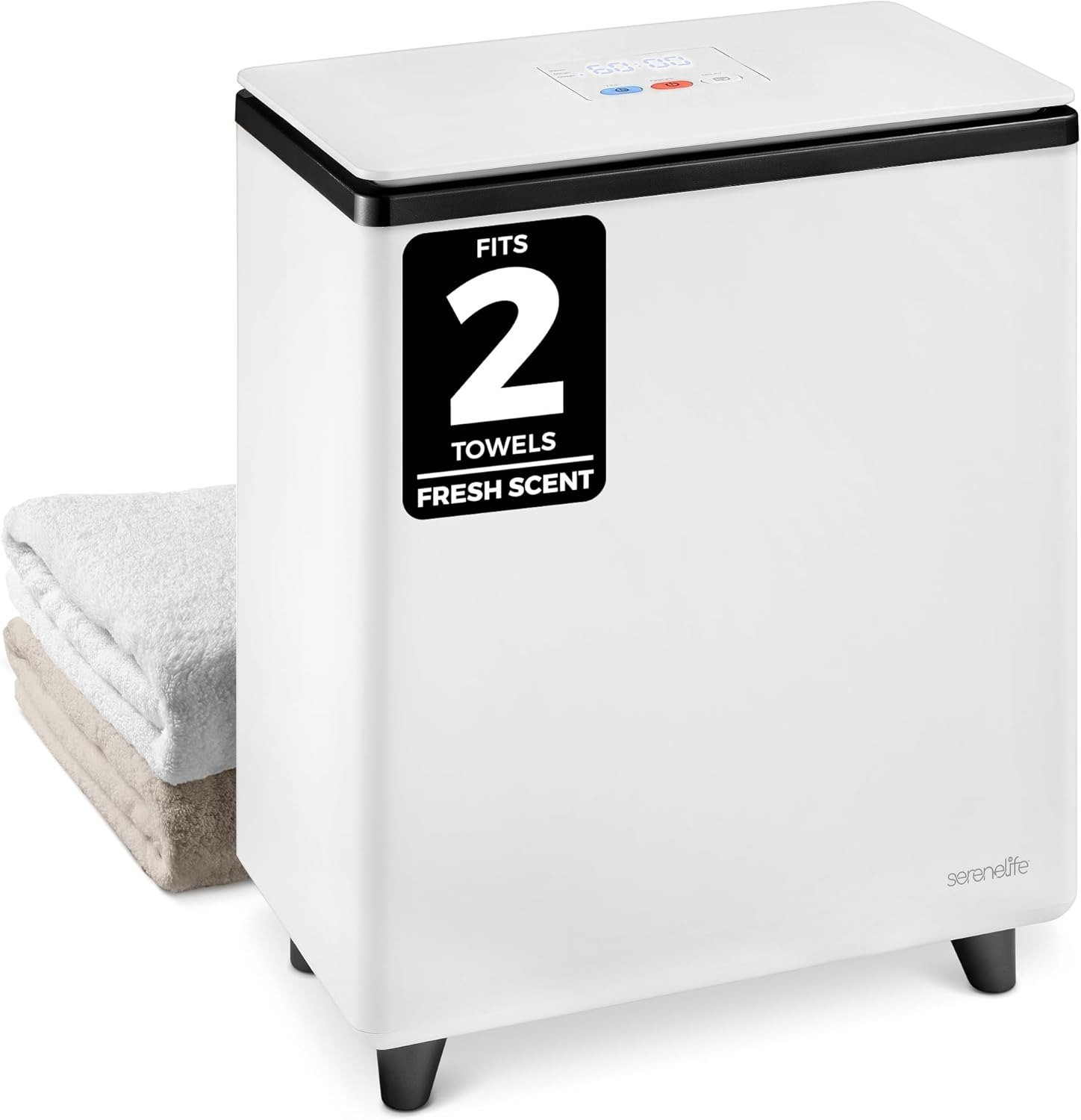
The SereneLife Rectangular Towel Warmer gives you a 20L chamber, room for up to two large bath towels or a throw blanket, one-touch control, 20/40/60-minute settings, a double-walled insulated lid, overheat protection, and a design shaped to work in tighter spaces. On paper, that is enough to get attention. In practice, the more important fact is that user feedback keeps converging around the same outcome: when the warmer is used with the right timing and placed near the shower, it solves a real daily annoyance with surprisingly little effort.
The Governing Model: Threshold, Not Hype
I would not judge this product by “luxury.” I would judge it by threshold. Above the threshold, it feels useful and repeatable. Below it, it becomes a pleasant extra you forget to turn on.
The threshold is simple: you need a bathroom routine where a preheated towel meaningfully improves the cold transition after showering, and you need the unit close enough that the heat reaches you before the moment passes. That is why positive reviews sound so similar. They mention 15–20-minute warming, easy control, good placement, and repeat use. The people who are happiest are not chasing spectacle. They are fixing one clear point of friction.
What I Trust About This Product
I trust repetition in user language more than polished copy. Amazon’s listing shows a 4.5/5 average from 639 global ratings, and the official specs match what practical buyers keep describing: room for two large towels, timed heating, one-touch operation, and a shape that is easier to live with than bulkier alternatives.
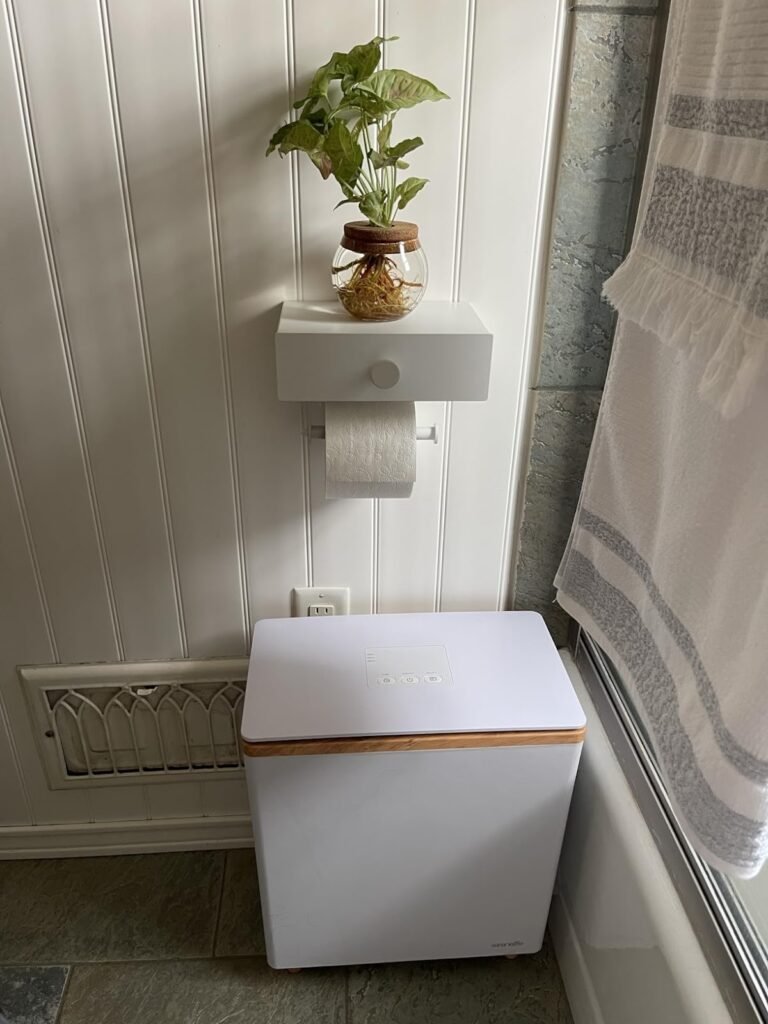
Target reviews reinforce that pattern with real-use details, including towels becoming “nice and toasty” after 15–20 minutes and the unit fitting behind a bathroom door. That is exactly the kind of evidence that builds trust without selling too hard. It is specific, mundane, and consistent.
The Secret Cost Is Not Money. It Is Coordination
Here is the part that changes the buying decision. The hidden cost is not price alone. It is coordination. You gain warmth, comfort, and a softer landing after the shower. You trade off a little timing discipline. That is the trade-off.
If you want a device that rewards preparation, this is well-positioned. If you want something that behaves like instant magic with no planning, that expectation becomes the failure point. This is the uncomfortable truth good buyers learn early: many home-comfort products do not fail because the feature is weak. They fail because the routine around the feature never stabilized.
My rule is this: if the product removes a repeated irritation in under one extra step, it usually sticks. If it adds friction equal to the discomfort it solves, it slowly gets abandoned.
The SereneLife model passes that test better than I expected because the interaction is so light. One button. A few timer options. A body shape that has a better chance of staying near the bathroom path instead of becoming clutter. That is why I see this less as a luxury item and more as a controlled comfort tool.
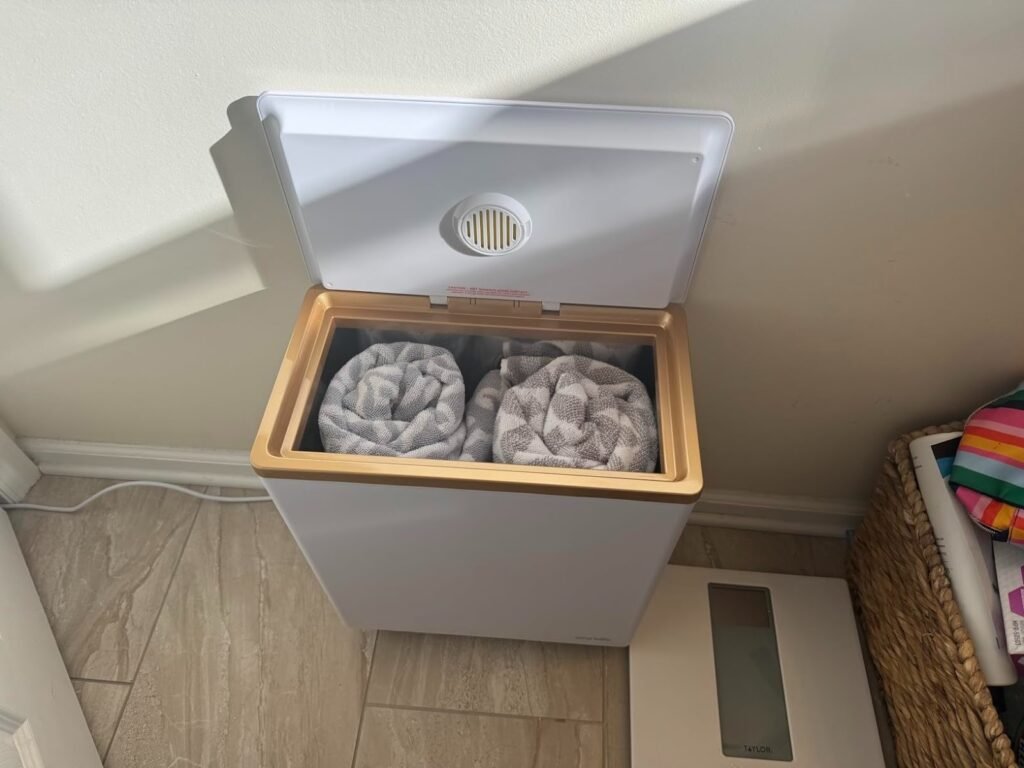
Decision Table
| Decision Condition | Verdict |
|---|---|
| You hate the cold break after showering | Strong Buy Logic |
| You can preheat it before finishing your shower | Strong Buy Logic |
| You need it to fit a smaller bathroom footprint | Strong Buy Logic |
| You want drying performance | No Buy Logic |
| You expect strong retained heat long after removal | Borderline |
| You dislike timing-dependent products | Borderline |
| You want simple use, not features for the sake of features | Strong Buy Logic |
Compatibility Split
This is not for someone who wants a drying machine, a theatrical spa experience, or a product that stays impressive without any routine support. It is not for the buyer who reads “fits two large towels” and imagines every load will heat identically no matter how it is packed.
It is for the person who values repeated comfort over flashy capability, and who understands that a warmer should be judged at the exact moment it is used, not in an abstract spec debate. For that buyer, the rectangular form, the timer control, and the low-effort interaction all line up well.
Better Homes & Gardens’ budget-oriented take on SereneLife towel warmers points in the same direction: compact practicality is the core appeal, not technical theater.
What Fails First Is Usually Not the Heater
This is the counter-intuitive truth that separates satisfied owners from disappointed ones. The first thing that usually fails is not the heating element. It is the user’s fit with the routine.
Put it too far away, forget to start it early, expect drying performance, or imagine prolonged off-unit heat retention, and the value starts thinning out. Use it the way the strongest reviews describe — close by, warmed ahead of time, used immediately — and the benefit becomes easy to feel and easy to repeat.
That is why the product works best as a rhythm tool, not a spectacle purchase.
Verdict
I would say yes to this product for someone solving a specific problem: that annoying, repeated drop from hot-water comfort to cold-air reality.
I would say no for anyone expecting it to dry towels, hold heat for long periods outside the chamber, or perform like a much more complex appliance. Above its threshold, it is rational, useful, and easy to keep using. Below that threshold, it becomes one more object that looked better in theory than it feels at 7:10 in the morning.
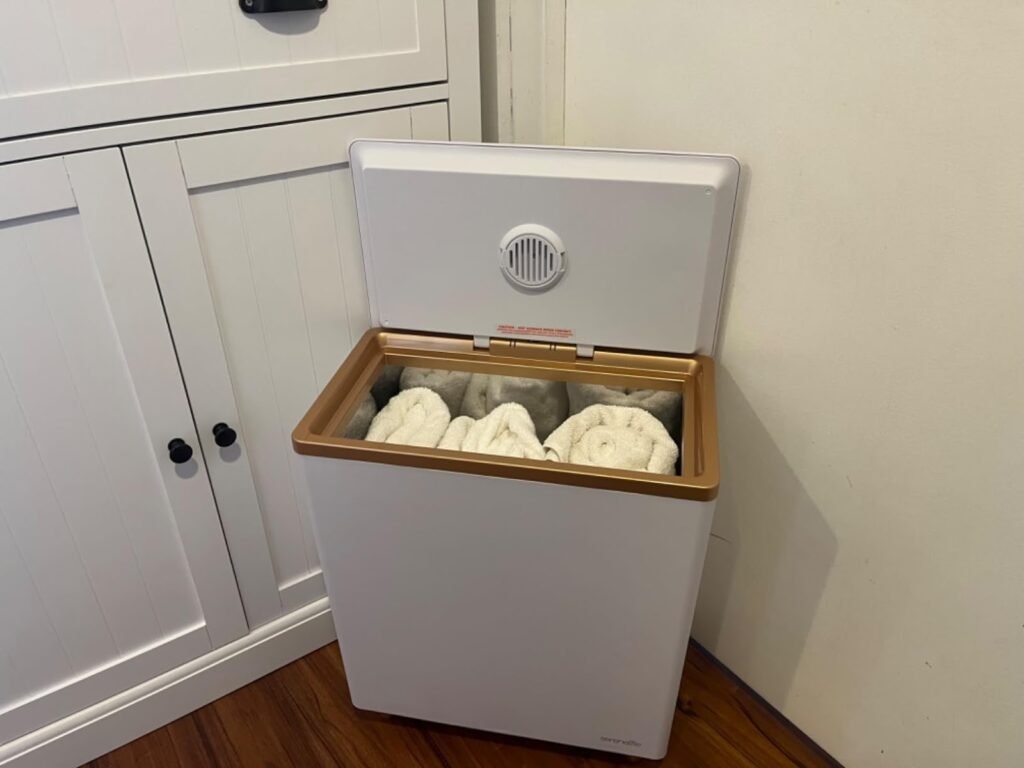
If This Is the Friction You Want Gone, This Is the Logical Next Step
If the exact problem is that cold, abrupt break after a shower — not drying, not decoration, not gadget collecting — then this product is aligned with the job.
And once that friction is gone, the next question becomes harder to ignore: which part of the rest of the bathroom routine is still stealing comfort without you noticing it? That is usually where the next smart upgrade reveals itself.
Transparency Note:
This analysis is not based on quick personal impressions.
It is derived from documented system behavior, verified user patterns, and the physical constraints of storage capacity.
The goal is to translate complex technical behavior into a realistic performance model that helps you make a clear decision