Genie 6072H-O Review: The Real Fit, Limits, and Wrong-Fit Cases
DECISION ANALYSIS
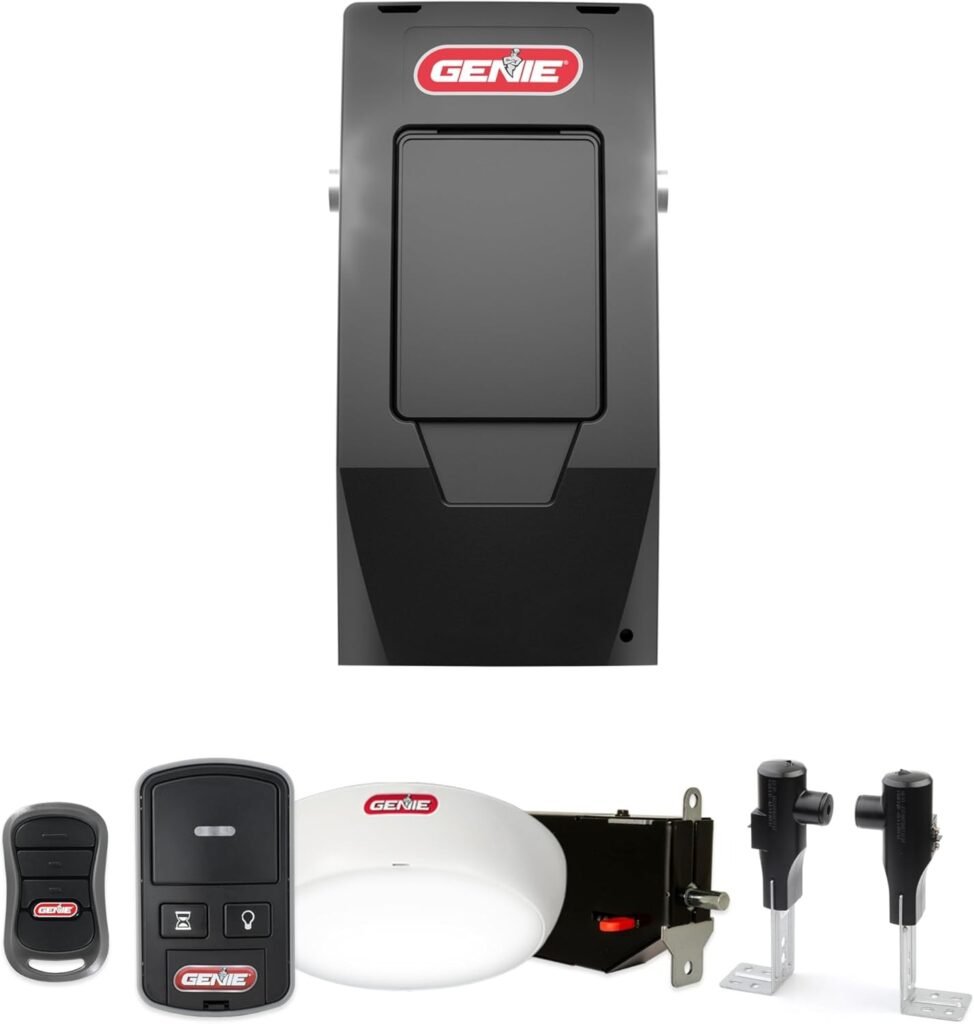
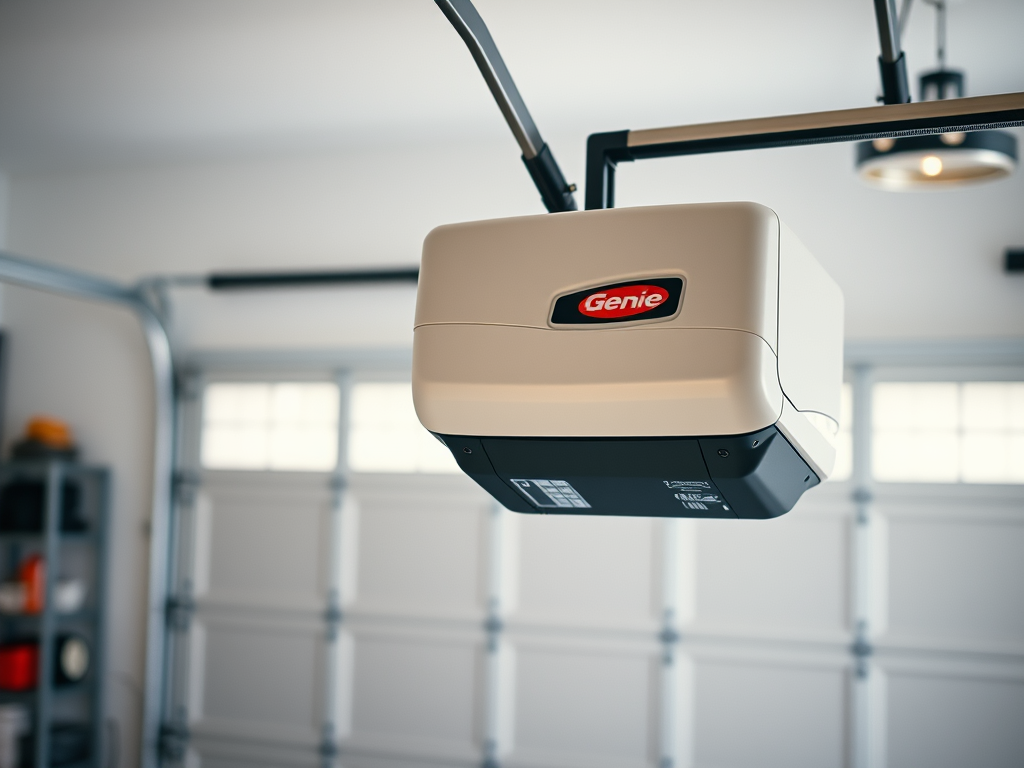
Once I stopped looking at the Genie 6072H-O as a “garage gadget” and started reading it as a fit decision, the whole product became easier to judge. The core question is not whether it looks modern or whether side-mount openers are cool. The real question is whether this exact model matches the kind of garage problem you actually have.
For me, this is a Compatibility Split product. The strengths are real. The limits are real. And the gap between those two is wide enough that the same opener can feel like a brilliant upgrade in one garage and an expensive mismatch in another.
The Fast Technical Read
| Spec / trait | Genie 6072H-O |
|---|---|
| Mount type | Wall-mount / jackshaft style |
| Door type | Residential sectional doors |
| Max supported size | Up to 14 ft high |
| Max supported weight | Up to 850 lb |
| Max stated door area | Up to 180 sq ft |
| Accessories included | Wireless wall console, LED light, Intellicode remote, automatic door lock |
| Clearance needs | About 2.5 in above and 7 in to side of spring tube |
| Outlet requirement | Standard outlet within 6 ft |
| Stated warranty | 15-year motor, 5-year parts |
| Not for | One-piece doors; certain low-headroom / reverse-wound / extension-spring setups |
Those numbers put it in the serious residential wall-mount class rather than the cheap-upgrade class. On paper, it is built for real doors, not decorative promise.
What I Think It Does Well
The strongest case for the 6072H-O is not flashy technology. It is controlled practical improvement.
| Strength | Why it matters in real life |
|---|---|
| Ceiling-free layout | Gives back usable overhead space |
| Compact side profile | Feels less intrusive than a rail-and-head unit |
| Quiet operation pattern | Better fit for attached garages and finished rooms nearby |
| Included lock and light | Makes the package feel complete, not stripped |
| Safe-T-Pulse cable monitoring | Adds a layer of operational confidence on this format |
What I like here is that the benefits line up with the psychology of the buyer. People choosing this model usually want calm, clearance, and less visual clutter—not theatrics. That is why the positive sentiment around it tends to sound practical: solid, quiet, sleek, space-saving, worth it when the garage setup calls for it.
What I Would Not Ignore
This is where a lot of thin reviews become useless. They praise the wall-mount idea and glide right past the operational burden.
| Friction point | What it can feel like after purchase |
|---|---|
| Compatibility mistakes | You discover too late that your door setup is not ideal |
| Installation sensitivity | More measurement discipline than many buyers expect |
| Support / reliability complaints | Frustrating at this price when things don’t go smoothly |
| Less feature-rich than smarter variants | Some buyers really wanted Wi-Fi or battery backup and chose the wrong SKU |
| Category dependence on door balance | If the door system is off, the opener won’t feel premium for long |
This is exactly where owner reports and professional commentary start to separate the good fit from the bad one. Several discussions around Genie wall-mount units warn that the door has to be properly balanced and the installation done correctly; some owners also report support annoyances or specific functional issues. That does not make the product bad. It makes it conditional.
Compatibility Split 3.0
Excellent Fit
| User / garage profile | Why it fits |
|---|---|
| Attached garage with noise sensitivity | Side-mount design tends to reduce ceiling-transferred vibration feel |
| Garage with blocked or valuable ceiling space | This is where the format earns its price |
| Sectional torsion-spring door in supported configuration | The opener can work the way it was meant to work |
| Buyer who values clean installation over lowest upfront cost | The upgrade is environmental, not just mechanical |
Good Fit
| User / garage profile | Why it can work |
|---|---|
| Standard sectional door owner who wants a cleaner look | You may enjoy the spatial benefit even if it is not essential |
| User replacing an aging, rattly overhead opener | The calmer operation may feel like a genuine quality upgrade |
| Homeowner okay with careful install planning | You are less likely to resent the format’s demands |
Borderline Fit
| User / garage profile | Why I would hesitate |
|---|---|
| Buyer mainly chasing app control | A smart-wall-mount variant may suit you better |
| Buyer mainly worried about blackout access | A battery-backup version is the cleaner answer |
| DIY buyer with unclear door compatibility | This is where “should work” turns expensive |
Wrong Fit
| User / garage profile | Why I would skip it |
|---|---|
| One-piece door owner | Not a supported use case |
| Extension-spring setup | Wrong format |
| Reverse-wound / low-headroom outside-hookup door | Known compatibility limitation |
| Buyer who just wants the cheapest reliable opener | You are paying for a layout solution you may not need |
| Buyer expecting the wall-mount idea alone to fix a problematic door | It will not correct poor door balance or setup |
This is the cleanest way I can put it: the 6072H-O is not broadly wrong, but it is narrowly right. And that is usually a good sign in a product like this. Specialized tools are supposed to exclude people.
The Real Comparison That Matters
I don’t think the most honest comparison is against every opener on the market. It is against other wall-mount paths.
| If your priority is… | Better direction |
|---|---|
| Lowest cost and no special garage constraints | Traditional ceiling opener is usually enough |
| Wall-mount form with basic practical value | Genie 6072H-O makes sense |
| Wall-mount plus built-in smart control and battery backup | Genie 6172H line becomes more logical |
| Wall-mount plus stronger premium-brand reputation and lifetime motor warranty | LiftMaster / Chamberlain wall-mount options become harder to ignore |
That comparison matters because the 6072H-O does not win by being the most feature-loaded opener in the side-mount category. It wins by offering the wall-mount benefit without forcing every buyer into the highest-spec tier. The problem is that some buyers really do need the higher tier and only realize it later. Genie’s 6172 wall-mount variant adds built-in Aladdin Connect smart control and integrated battery backup, while Chamberlain’s RJO70 and LiftMaster’s 8500W class also emphasize built-in smart features, backup power, and strong security positioning.
What People Seem to Feel About It
The emotional pattern around this opener is surprisingly consistent.
| Buyer feeling | What usually drives it |
|---|---|
| Relief | Ceiling space is finally usable |
| Satisfaction | Operation feels quiet and neat |
| Confidence | Included lock/light/accessories make it feel complete |
| Frustration | Installation or compatibility was more demanding than expected |
| Regret | Buyer wanted a smarter or more forgiving model than this one |
That mix matches the review landscape I found. Positive feedback clusters around layout improvement, quietness, and overall usefulness. Negative feedback clusters around the unforgiving side of the category: setup details, occasional malfunctions, support friction, and expectations that didn’t match the chosen variant.
My Verdict
If I reduce everything to one sentence, it is this:
The Genie 6072H-O is a strong answer to the right garage, not a universal answer to the average buyer.
I would take it seriously if my garage ceiling space mattered, my door configuration clearly fit the wall-mount format, and I wanted the spatial and noise benefits without necessarily paying for every smart feature tier above it. I would back away if I was uncertain about compatibility, secretly wanted built-in app control and battery backup, or was hoping a premium opener would compensate for a not-quite-right door system.
That is why I do not read the 6072H-O as a hype product. I read it as a precision-fit product. In the right garage, that is exactly what makes it valuable.
Transparency Note:
This analysis is not based on quick personal impressions.
It is derived from documented system behavior, verified user patterns, and the physical constraints of storage capacity.
The goal is to translate complex technical behavior into a realistic performance model that helps you make a clear decision