Ambient Light Stability Threshold: Why Some Projectors Stay Clear While Others Wash Out
ANALYSIS FRAMEWORK
I remember testing a projector in a sunny living room and watching the image slowly go from crisp to hesitant—colors faded, blacks lifted, faces lost their weight—and realizing the specs on paper didn’t tell the whole story.
That moment is why I use one simple lens now: the Ambient Light Stability Threshold.
Put plainly, this is the point where ambient light stops being an inconvenience and starts actively thinning the image.
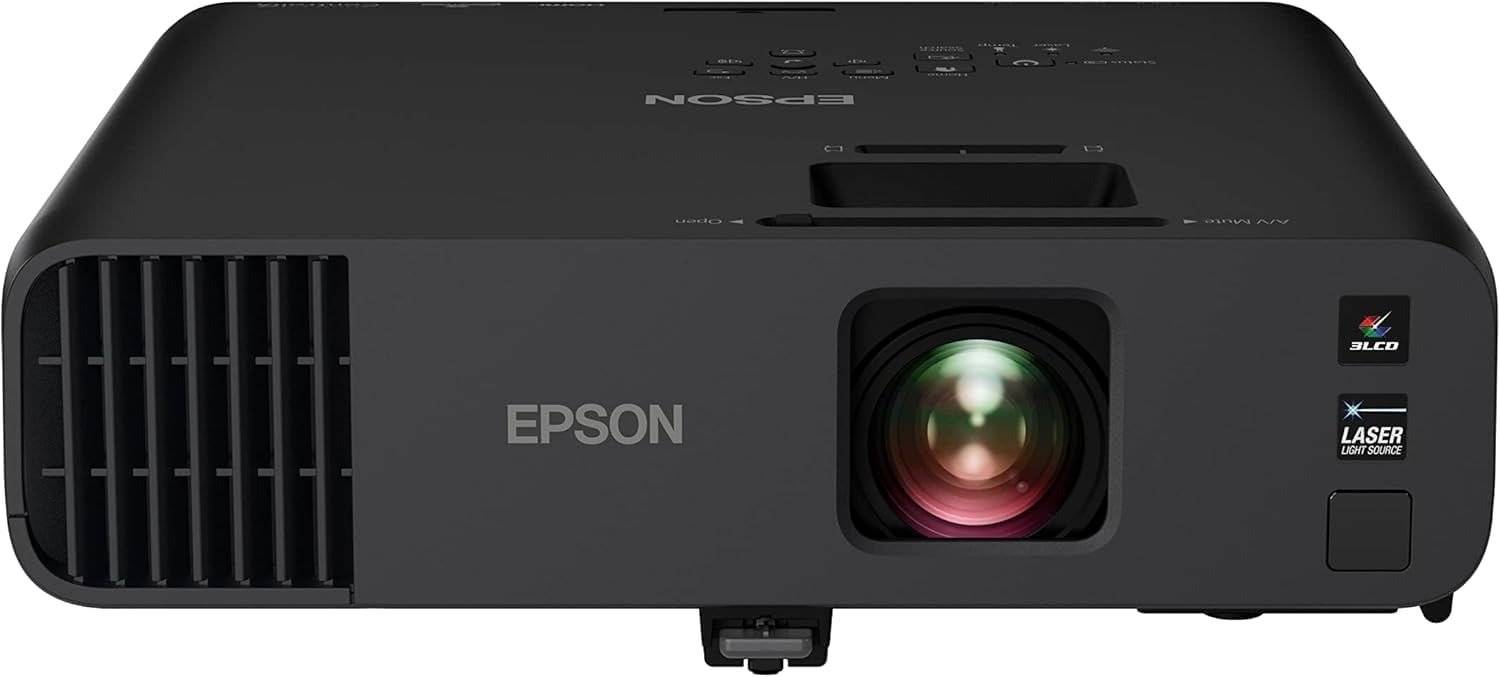
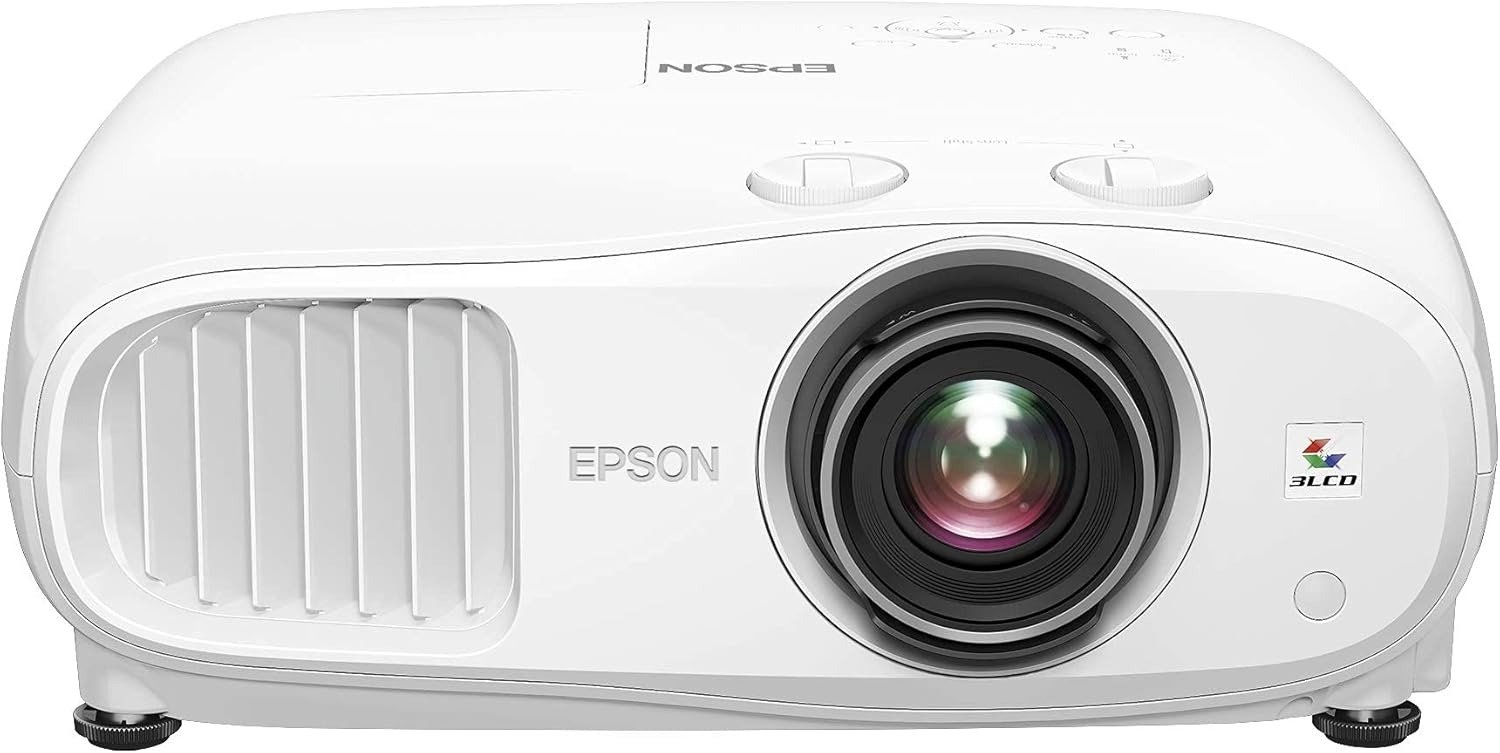
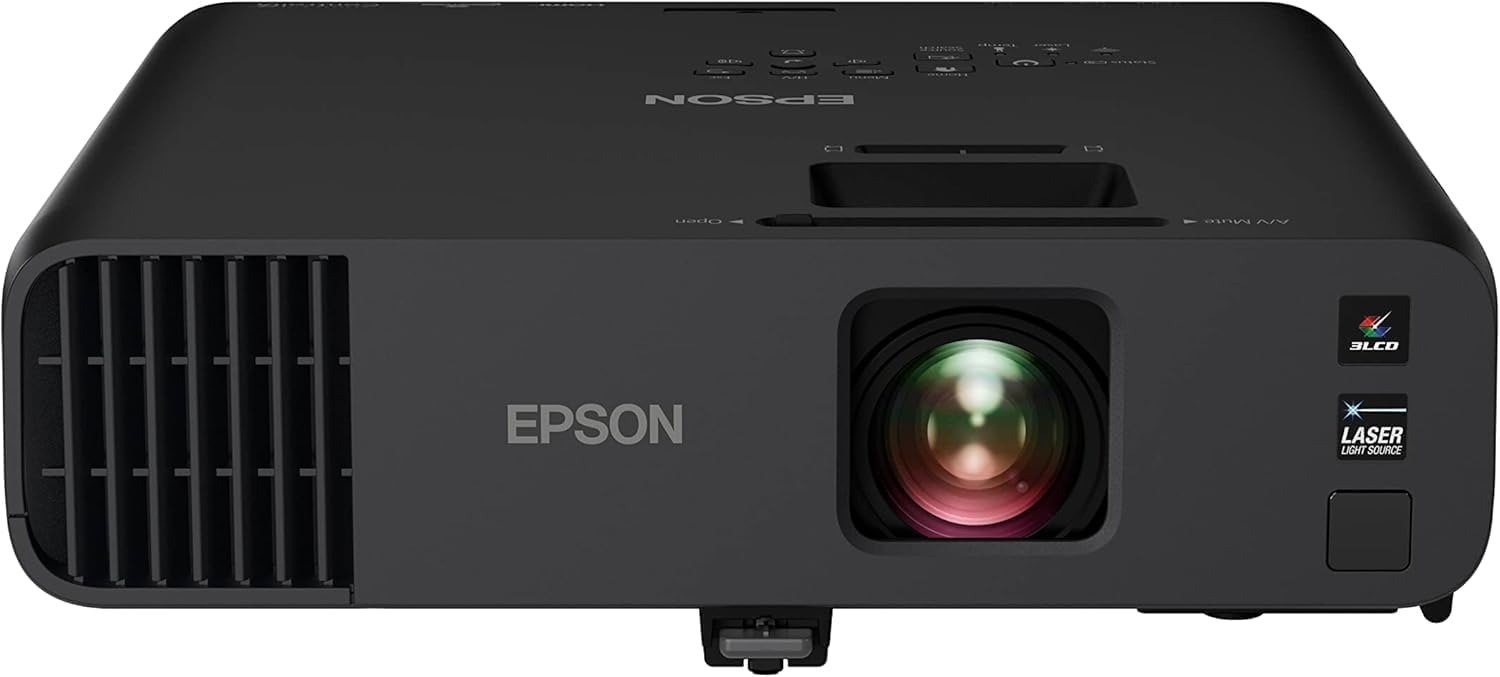
For the Epson Pro EX11000—listed at 4,600 lumens of both white and color brightness, using 3-chip 3LCD, with a 20,000-hour laser light source, two HDMI ports, Miracast, a 16 W speaker, and up to a 300-inch image—owner feedback repeatedly focused on brightness, clarity, and easy setup.
Once you see how those specs map to real rooms, the threshold becomes the only metric that matters.
What the Threshold Actually Means
Projectors don’t fail catastrophically; they lose confidence first.
Blacks lift, midtones flatten, fine detail is technically present but stops feeling anchored.
Faces look present but not dense. Text is readable, yet the picture loses authority.
That loss of structural stability—that’s the threshold event.
This framework explains why buyers often blame “picture quality” when the real mistake is mismatch: a machine designed for bright-room stability placed in a room demanding cinematic black depth.
Brighter 1080p, living-room-friendly models tend to handle moderate ambient light, but they give ground where black depth and shadow separation matter most.
The Three Signals I Watch Before the Threshold Breaks
When I evaluate projector behavior, I track three practical signals:
- Color brightness stability — whether color stays vivid under room light. A bright image that loses color still feels weak.
- Contrast survival — whether darker scenes keep separation or collapse into gray. This is where “cinema disappointment” begins.
- Setup friction — whether the projector aligns quickly and stays put without constant fiddling. Small annoyances compound in real rooms.
On paper, the Pro EX11000 is designed to remain composed on the first and third signals: equal color and white brightness, 3LCD color delivery, 1.6x optical zoom, horizontal image adjustment, and auto vertical correction.
Those features aren’t marketing fluff here; they are the operational tools of threshold survival.
Why Buyers Misread Projector Strength
Most buyers assume the failure point is cinematic finesse.
In everyday mixed-use rooms, the common failure is losing authority the moment the space stops behaving like a blacked-out theater.
That’s why many owners sound relieved rather than dazzled: “It works with lights on,” “easy to see on a normal wall,” “setup was simple.”
For the EX11000, praise clusters around brightness and ease of use; negatives—fan noise, heat, and black levels—show up predictably where threshold expectations were different.
What Changes Before and After the Threshold
Below the threshold, the projector performs with confidence across use cases; beyond it, dark-scene performance and cinematic depth fall first.
- Slides, charts, meetings: Crisp, readable, low-stress → Still usable longer than movie-focused projectors
- Sports, TV, casual streaming: Large and lively → Usually still enjoyable unless light is severe
- Movies with dark scenes: Acceptable if room is controlled → Shadow depth collapses first
- Precision cinema expectations: Fine if expectations are moderate → Disappointment arrives early
This is why you must match use-case to room: presentation clarity, family-room TV replacement, and dedicated dark-room cinema are different problems.
The Quiet Rule I Trust Now
If your room fights the image, buy for threshold survival first; if your room protects the image, buy for black depth second.
That rule explains why the EX11000 is perfect for some buyers and a mismatch for others.
It isn’t about being “good” in the abstract—it’s about whether your room asks for brightness stability or cinematic black-level finesse.
If it’s the former, this projector answers the call.
Transparency Note:
This analysis is not based on quick personal impressions.
It is derived from documented system behavior, verified user patterns, and the physical constraints of storage capacity.
The goal is to translate complex technical behavior into a realistic performance model that helps you make a clear decision