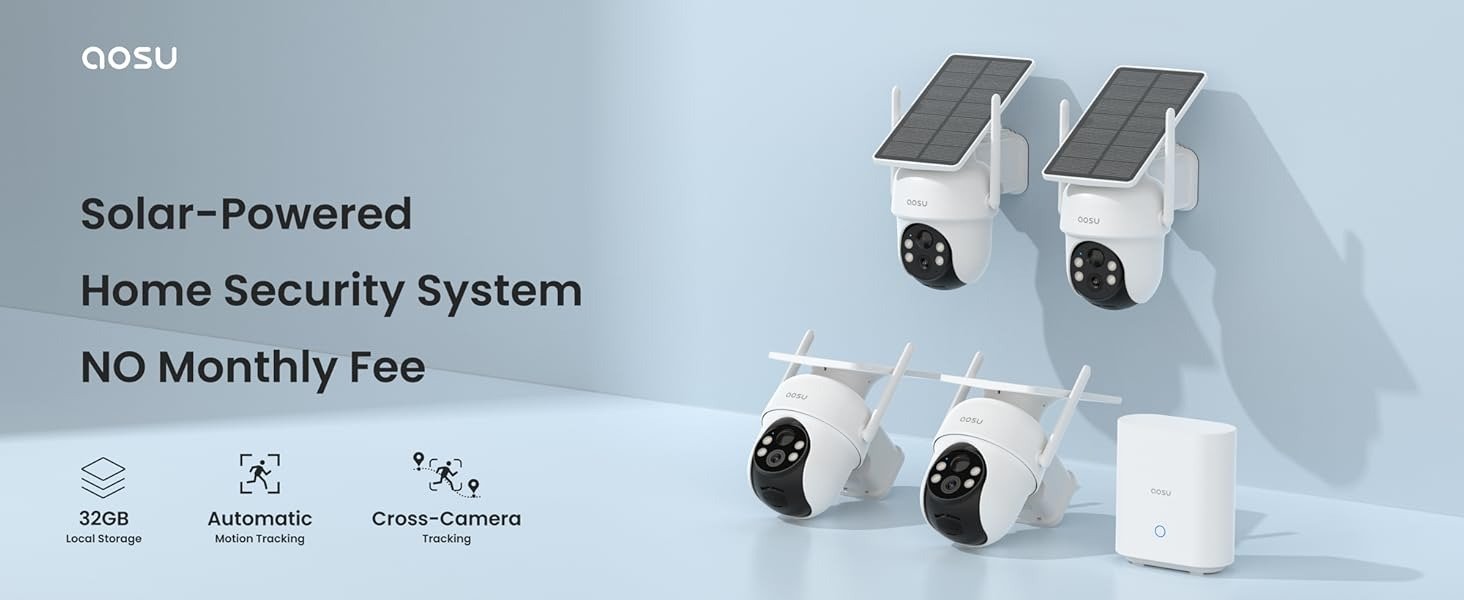
Why Wireless Outdoor Security Feels Safe Until Coverage Starts Breaking
ANALYSIS FRAMEWORK
I still remember the first time a camera missed a simple driveway motion and left me hunting for answers instead of footage.
That little miss changed my whole attitude toward the system—more maintenance than protection.
Most people don’t lose trust because an outdoor camera’s image is imperfect.
They lose trust when they have to tinker constantly: a missed trigger here, a delayed alert there, or a camera that only charges if hung in perfect sun.
The core problem isn’t whether a camera can technically record; it’s whether it remains reliably above what I call the Coverage Reliability Threshold long enough to feel like protection instead of perpetual upkeep.
The Coverage Reliability Threshold
I use Coverage Reliability Threshold to describe the point where a camera system still feels dependable without constant correction.
Below that threshold, ownership changes tone.
You stop feeling monitored space and start feeling system drift.
| Threshold Factor | What Keeps It Stable | What Pushes It Down |
|---|---|---|
| Power continuity | Enough daily sunlight, efficient charging | Shade, poor winter light, difficult mounting angle |
| Event capture | Fast trigger behavior, sensible sensitivity | Missed motion, cooldown gaps, delayed notifications |
| Area control | Useful pan/tilt, smart tracking, clean placement | Overreliance on movement, wide areas with too much traffic |
| Playback confidence | Local storage, accessible timeline, stable app | Lag, difficult review flow, connection drops |
| Ownership friction | No subscription, simple setup, predictable behavior | Constant adjustments, recharging, false alarms, weak Wi‑Fi zones |
A solar camera is never just a camera.
It’s a negotiated system between light, battery, Wi‑Fi, trigger logic, and placement.
That table is more important than marketing copy because it maps where reliability actually lives.
In practice, battery-powered outdoor cameras are event-driven rather than true 24/7 recorders—meaning capture logic and uptime matter far more than headline specs.
What I Kept Seeing In This Category
Across listings, manuals, and user threads a consistent pattern emerges.
People buy on three promises: no monthly fee, solar power, and 360° coverage.
Psychologically, those hit hard: they feel like ownership, less maintenance, and fewer blind spots.
| What Pulls People In | Why It Matters Psychologically |
|---|---|
| No monthly fee | It feels like ownership instead of rent |
| Solar power | It reduces the fear of maintenance fatigue |
| 360° coverage | It promises fewer blind spots and fewer installation mistakes |
Systems that retain attention do two things: they deliver on those promises with measurable features (local storage, pan-and-tilt, auto tracking) and they make those features reliable in daily life.
Where that reliability slips—offline behavior, notification lag, weather sensitivity, or app friction—trust erodes quickly.
A missed clip feels worse than modest image quality.
Why Pan-And-Tilt Changes The Buying Logic
A fixed camera fails by poor placement.
A pan‑and‑tilt camera introduces a second set of failure modes: tracking quality, trigger timing, and motion latency.
PTZ (pan/tilt/zoom) is a multiplier: it dramatically raises usefulness if the system is stable, and it heightens disappointment when the system drifts.
Many solar PTZ products promise 360° coverage and tracking, but the real benchmark is how much clarity and coverage you reliably get before usability starts slipping.
Transparency Note:
This analysis is not based on quick personal impressions.
It is derived from documented system behavior, verified user patterns, and the physical constraints of storage capacity.
The goal is to translate complex technical behavior into a realistic performance model that helps you make a clear decision
One Comment