When a Robot Cleaner Stops Feeling Truly Hands-Free
ANALYSIS FRAMEWORK
A robot vacuum can look brilliant on day one and quietly start wearing on you by week three. I’ve seen that pattern enough times to stop judging these machines by the feature list alone.
That is exactly why I keep coming back to one idea: the Intervention Threshold. A robot feels premium only as long as it stays out of my way. The moment it begins asking me to rescue it, wipe after it, untangle it, remap rooms for it, or rerun areas it should have handled the first time, the promise changes. It is no longer “hands-free.” It is just another machine I have to manage.
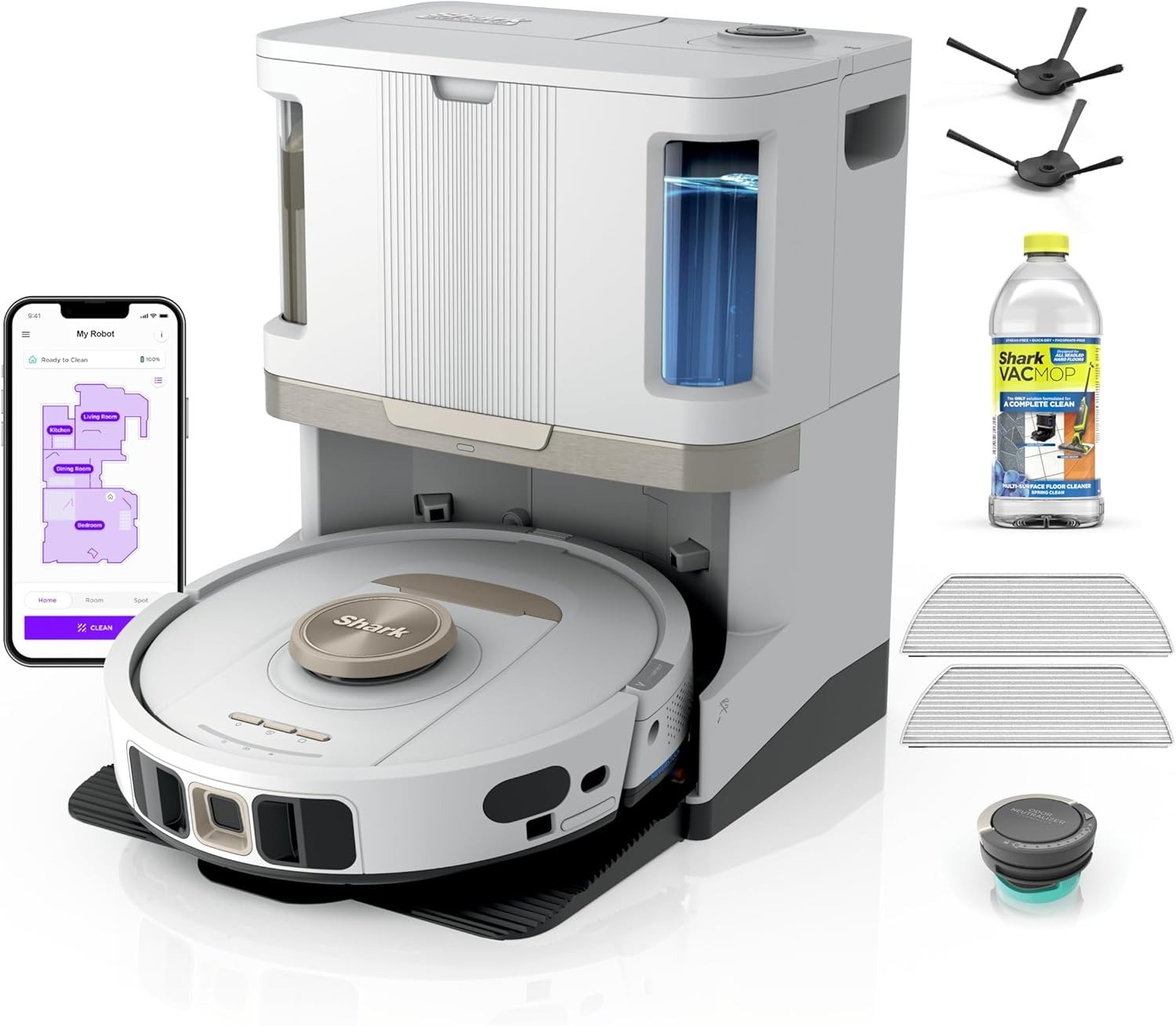
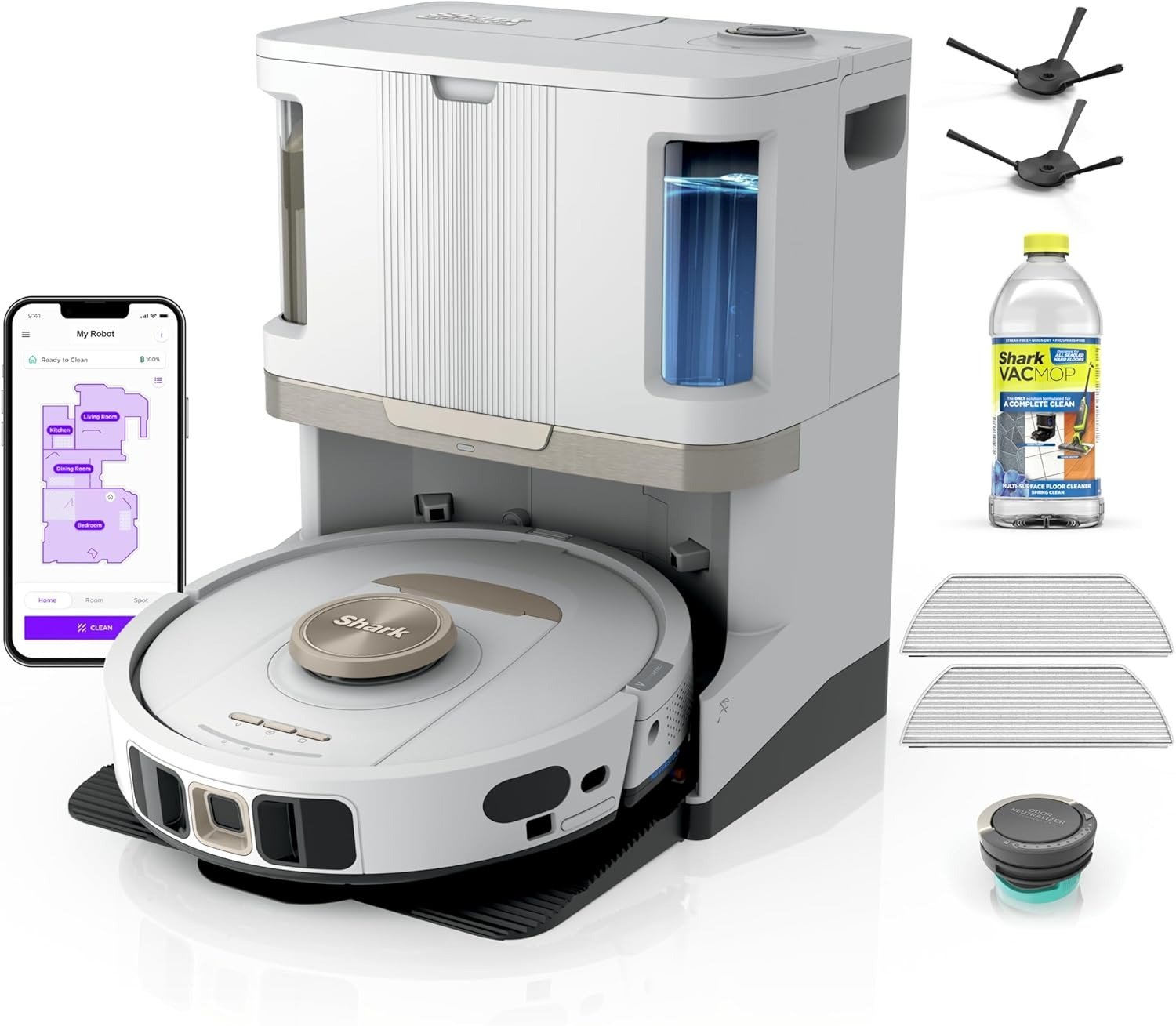
That is what makes the Shark Stratos NeverTouch RV2720ZE interesting. On paper, Shark is not merely selling suction. It is trying to push that intervention line farther away with auto-emptying, auto-refilling, mop washing and drying, LiDAR mapping, Edge Detect, and Autolift. [DECISION_LINK]
The Real Issue Is Not Dirt. It Is How Often the Robot Interrupts You
Most people do not give up on a robot because it missed one crumb. They give up because the interruptions start stacking up. A threshold catches it. A rug edge gets damp. Hair wraps just enough to dull the next run. It misses a strip near a wall. A supposedly automatic machine keeps asking for little corrections, and those corrections add up faster than most brands admit.
That is why this category is mechanical and psychological at the same time. You are not paying only for pickup power. You are paying to lower the number of times the machine drags you back into the process. And this is where the RV2720ZE makes a legitimate case for itself. Shark says the base can empty debris into a bagless 60-day bin, refill water for up to 30 days, and wash and dry the mop after each clean. That shifts the ownership experience from active maintenance toward passive upkeep.
Why the Shark Stratos NeverTouch RV2720ZE Gets Attention So Quickly
The spec sheet is built around familiar robot-cleaner pain points. The Shark Stratos NeverTouch uses 360° LiDAR for mapping, an anti-tangle/self-cleaning brushroll, Edge Detect to pull debris into the cleaning path, Sonic Mopping up to 100 scrubs per minute, HEPA filtration with an Anti-Allergen Complete Seal, and Autolift to cross obstacles while keeping the mop off rugs and carpets.
Shark also claims up to 2x more suction than the Roomba i5 Combo at the nozzle and up to 25% better stain cleaning than the Dreame L20 Ultra in its cited comparison. That matters because the positioning here is not vague. This model is clearly aimed at homes that want daily floor maintenance without a constant stream of manual corrections.
What I Mean by the Intervention Threshold
In plain English, a robot stays below the Intervention Threshold when I mostly forget about it. It runs, empties, refills, washes, dries, and returns to the base without creating new work. It rises above that threshold when I start thinking about it too much: its route, its mop pad, its battery, its stuck points, its missed debris, its app limitations, or the places it keeps mishandling.
That is the heart of this category. Hands-free cleaning is never one feature. It is a chain. And once one weak link breaks often enough, the entire ownership experience changes.
What the Review Pattern Actually Shows
Once I looked beyond the marketing copy, the broader pattern became fairly clear. Independent testing from Vacuum Wars found the closely related Shark PowerDetect NeverTouch Pro platform had slightly above-average airflow at 17 CFM versus a 16 CFM average, average carpet deep-cleaning at 76%, above-average flattened pet-hair pickup at 86%, and better-than-average dried stain mopping with a score of 116 versus a 101 average.
That is the encouraging part.
The less flattering part is just as important: the same testing found average obstacle avoidance at 14/22, below-average navigation efficiency, and especially weak battery efficiency for the price class. So the Shark pattern is not “best in class everywhere.” It is closer to this: very capable daily floor maintenance, paired with some real compromises once the home becomes larger, messier, or more demanding.
What Owners and Reviewers Keep Liking
When I compare owner reactions with editorial testing, the praise is unusually consistent. People keep mentioning the same things: satisfying cleaning performance, calmer navigation than older robots, quieter operation, and the relief of not constantly emptying bins or topping off water tanks.
Best Buy’s aggregated review summary highlights cleaning performance, navigation, noise level, app usability, and mapping as the most common talking points. Individual buyers describe fast, quiet mapping, accurate room coverage, good mopping on hardwood, and a base that holds plenty of dirt, hair, and water. Ideal Home’s week-long in-home test praised obstacle avoidance, straightforward app control, and the fact that the robot could be left alone for routine cleaning with relatively little owner involvement.
That matters. It suggests the Shark is not just impressing on paper. It is actually reducing friction in ordinary use.
Where the Experience Starts to Fray
The weak side shows up in a familiar way too. Reviews and discussion threads repeatedly point to a simpler app than some premium rivals, only one saved map at a time on the related PowerDetect platform, average obstacle avoidance rather than elite avoidance, and weaker battery efficiency than the best machines in this price tier.
Vacuum Wars also noted missing dock refinements that are becoming more common at the high end, including heated mop washing, heated air drying, a removable interior tray, and self-cleaning internals. Reddit-style owner commentary tends to land in the same place: strong hard-floor cleaning, useful maintenance mopping, very good edge pickup, but occasional frustration with app limitations, behavior quirks, or expectations that were set a little too high by the phrase “hands-free.”
Quick Evidence Table
| Area | What I see in the evidence | What it means for real homes |
|---|---|---|
| Base automation | Auto-empty, auto-refill, mop wash and dry, up to 30-day water support, 60-day bagless debris bin | Strong reduction in routine maintenance |
| Vacuuming | Powerful day-to-day pickup; above-average airflow on related tested platform | Good for upkeep, not automatically class-leading in every deep-clean metric |
| Mopping | Sonic scrubbing up to 100 times/minute; above-average dried stain result on related tested platform | Better for maintenance mopping than many basic combos |
| Thresholds and rugs | Autolift; Shark claims high threshold capability on related platform | Helpful in mixed-floor homes with transitions |
| Navigation | LiDAR mapping is a plus, but independent testing found below-average efficiency on related platform | Usually steady, but not the fastest or smartest in class |
| App / maps | Owners like ease of use, but advanced control is thinner than some rivals; related platform criticized for one saved map | Fine for simpler homes, less ideal for power users |
| Dock refinement | No heated water, no heated drying, no self-cleaning dock interior on related tested platform | Less luxurious than the most advanced premium stations |
Compatibility Split
Best Fit
I would put this machine comfortably below the Intervention Threshold in homes with mostly hard flooring, some rugs, regular foot traffic, pets or long hair, and owners who care more about steady daily neatness than spotless perfection on every single pass.
It also makes sense for people who dislike recurring consumable costs and appreciate the idea of a bagless base they can empty and wash. In that environment, the Shark formula holds together: automate the annoying maintenance tasks, keep the routine quiet, and deliver enough cleaning strength that the floor rarely gets out of control.
Borderline Fit
I get more cautious when the home is larger, split across floors, or packed with small obstacles, or when the buyer expects flagship-grade app control and navigation logic. The evidence does not suggest that this robot collapses in those situations. It suggests that the small frictions are more likely to surface there, and that is exactly how a machine crosses the Intervention Threshold without ever being objectively bad.
Poor Fit
I would not present this kind of Shark robot as the safest choice for buyers who want elite obstacle intelligence, advanced multi-floor management, or the most polished dock engineering available in the premium tier. The value proposition here is practical automation, not absolute technical refinement across every subsystem.
The Quiet Detail That Decides Everything
What stays with me after looking through the specs, independent tests, and owner feedback is that this robot is not really trying to dominate by brute force. It is trying to keep your cleaning routine from unraveling.
That is a more useful promise than it sounds.
A robot does not need to win every lab category to feel like a relief in a real home. It just needs to stay below the point where I start noticing it in the wrong way. If you want to see whether the Shark Stratos NeverTouch RV2720ZE clears that line for your type of home, read the decision article here: [DECISION_LINK]
Short Product-Page Summary
The Shark Stratos NeverTouch RV2720ZE makes the most sense when I judge it by one standard: how often it pulls me back into the cleaning process. That is its real test. Not whether it has the longest feature list, but whether it stays below the Intervention Threshold.
Shark’s approach is clearly built around that goal. The robot combines auto-emptying, auto-refilling, mop washing and drying, 360° LiDAR mapping, Sonic Mopping up to 100 scrubs per minute, Edge Detect, Autolift, a bagless 60-day debris bin, and water support for up to 30 days. On the evidence available, that translates into a robot that is strong at daily upkeep and especially appealing for homes with hard floors, rugs, pet hair, and normal family mess.
The broader review pattern is balanced. On the closely related Shark PowerDetect NeverTouch Pro platform, Vacuum Wars found 17 CFM airflow versus a 16 CFM average, 76% carpet deep cleaning, 86% flattened pet-hair pickup, and a dried stain score of 116 versus a 101 average. At the same time, obstacle avoidance came in at 14/22, with below-average navigation efficiency and weak battery efficiency for the class.
My read is simple: this is a practical, comfort-focused robot for homes that want less weekly involvement, not a no-compromise flagship for people chasing the most advanced ecosystem available.
Final verdict: Consider.
- It reduces routine cleaning friction in the right home.
- Its automation package is stronger than its refinement ceiling.
- It fits daily maintenance better than perfectionist expectations.
Transparency Note:
This analysis is not based on quick personal impressions.
It is derived from documented system behavior, verified user patterns, and the physical constraints of storage capacity.
The goal is to translate complex technical behavior into a realistic performance model that helps you make a clear decision
One Comment