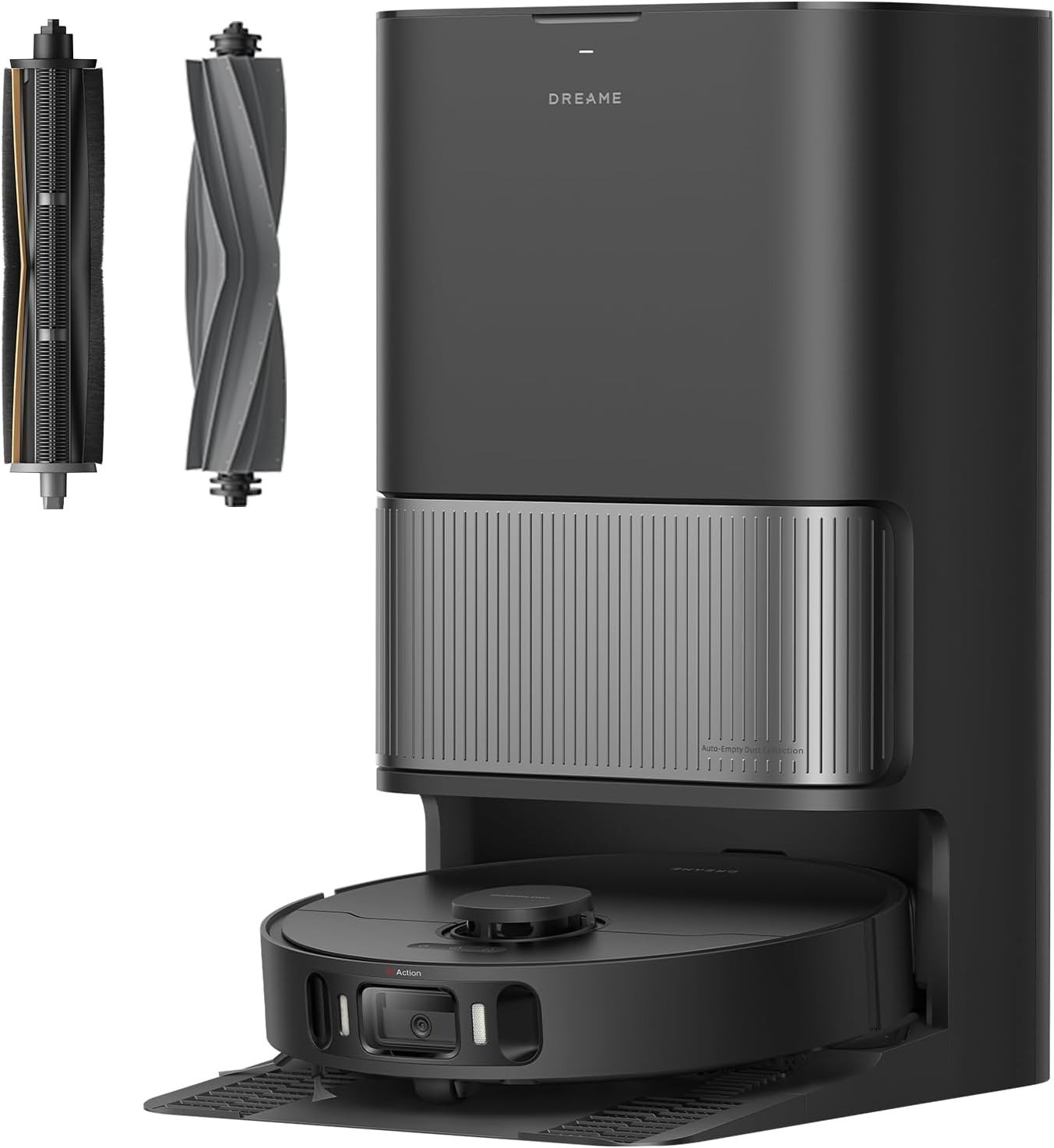
Before You Buy a Premium Robot Vacuum, Check This Threshold First
ANALYSIS FRAMEWORK
The moment I started looking closely at premium robot vacuums, one thing became obvious : most people get distracted by the wrong details. They compare suction numbers, app screens, and dock features as if the biggest spec sheet automatically creates the best experience. In real homes, that is not how this category wins.
What actually determines whether a robot vacuum feels worth owning is much simpler. It has to stay below the point where I keep stepping in to fix it, rescue it, untangle it, or clean up what it left behind. The second that starts happening too often, the whole promise of automation breaks. It may still look advanced on paper, but it stops feeling automatic in daily life.
That is the frame I keep coming back to when I judge machines in this class. I do not start with the brochure. I start with the threshold.
The Threshold I Actually Care About
I call it the Intervention Threshold.
This is the line between a robot vacuum that quietly handles the floor in the background and one that turns into another thing I have to manage. Once it crosses that line, the relationship changes. Instead of removing chores, it creates smaller ones.
In practice, that threshold usually breaks in a few predictable places. Edge coverage starts looking patchy. Hair handling becomes inconsistent. Obstacle avoidance slips and the robot starts bumping, tangling, or asking for rescue. Carpet transitions stop feeling trustworthy. Or the dock, which is supposed to reduce maintenance, becomes another source of upkeep.
That is why I care less about whether a machine is “feature-rich” and more about whether it remains stable across the parts of cleaning that actually interrupt my day.
What Raises or Lowers That Threshold
| Threshold Variable | What Keeps It Low | What Pushes It Higher |
|---|---|---|
| Hair & debris handling | Strong suction plus a brush strategy matched to the mess | Hair wrap, clogs, repeated manual brush cleaning |
| Edge cleaning | Extendable or flexible mopping that reaches baseboards | Clean center, dirty perimeter effect |
| Obstacle handling | Reliable recognition of cables, socks, bowls, shoes | Frequent bumping, tangling, room rescues |
| Carpet behavior | Mop lift, suction boost, sensible surface logic | Damp rugs, poor pickup on textured carpet |
| Dock upkeep | Hot-water mop washing, drying, auto-emptying, self-cleaning washboard | Dirty dock tray, smell buildup, frequent manual rinsing |
Why Expensive Robot Vacuums Win or Lose Psychologically
People do not spend this kind of money just to own a smarter gadget. They spend it because they want a part of daily life to disappear. That is the emotional contract of a premium robot vacuum.
When it works, the effect is subtle but powerful. I stop thinking about the floor. I stop noticing dust near the kitchen edge. I stop seeing pet hair collect in the same corners every evening. The machine earns trust because it reduces repetition.
But when the experience becomes inconsistent, the psychological value drops fast. A robot that misses wall lines, gets caught on clutter, drags hair, or leaves me checking rugs after every run does not feel premium for long. It feels like a system I have to supervise. And once that happens, the purchase starts feeling harder to justify, no matter how impressive the model name sounds.
That is why buyer satisfaction in this category is tied less to excitement and more to relief. The real win is not novelty. The real win is lower friction.
What a Good Threshold Machine Looks Like
A strong threshold machine does not have to be flawless. It has to be dependable.
I can forgive the occasional imperfection if the robot handles daily dust, crumbs, hair, and routine messes without turning my attention back toward the floor. I can live with a larger dock if it truly reduces maintenance. I can accept a little operating noise if the system empties itself, washes its pads, dries them properly, and spares me from thinking about mopping residue or damp rugs.
What I cannot forgive is unpredictability. That is the real deal-breaker in this category. A machine that behaves differently from one run to the next does not create confidence. It creates monitoring behavior. And monitoring behavior is exactly what most people are trying to escape when they spend premium money on automation.
The Practical Split I Use Before I Even Look at a Model Name
| Home Type | What Usually Matters Most | What Fails First When the Fit Is Wrong |
|---|---|---|
| Mostly hard floors, low clutter | Mopping reach, object detection, self-maintenance | Dirty edges, dock neglect, avoidable collisions |
| Pets, long hair, mixed debris | Brush design, anti-tangle behavior, suction consistency | Hair wrap, dragged fur, repeated brush cleanup |
| Mixed floors with rugs and carpets | Surface detection, mop lift, carpet logic | Damp rugs, weak pickup, cross-surface inconsistency |
| Busy family layout with toys, shoes, cables | Obstacle avoidance and navigation discipline | Getting stuck, bumping, rescue frequency |
This is the filter I trust most because it stops me from evaluating the product as a piece of technology in the abstract. Instead, it forces me to ask where the machine will succeed or fail in an actual home.
A robot vacuum can be excellent for hard floors and still feel disappointing in a house full of pet hair and scattered clutter. Another can be technically capable but still fail emotionally because it leaves the perimeter looking unfinished. Compatibility matters more than hype.
The Real Question
So before I get pulled into model comparisons, feature ladders, or premium branding, I narrow the decision to one question:
Does this robot vacuum stay below my intervention threshold long enough for the automation to feel real?
That is the question that protects me from buying a machine that looks advanced but behaves like another household responsibility.
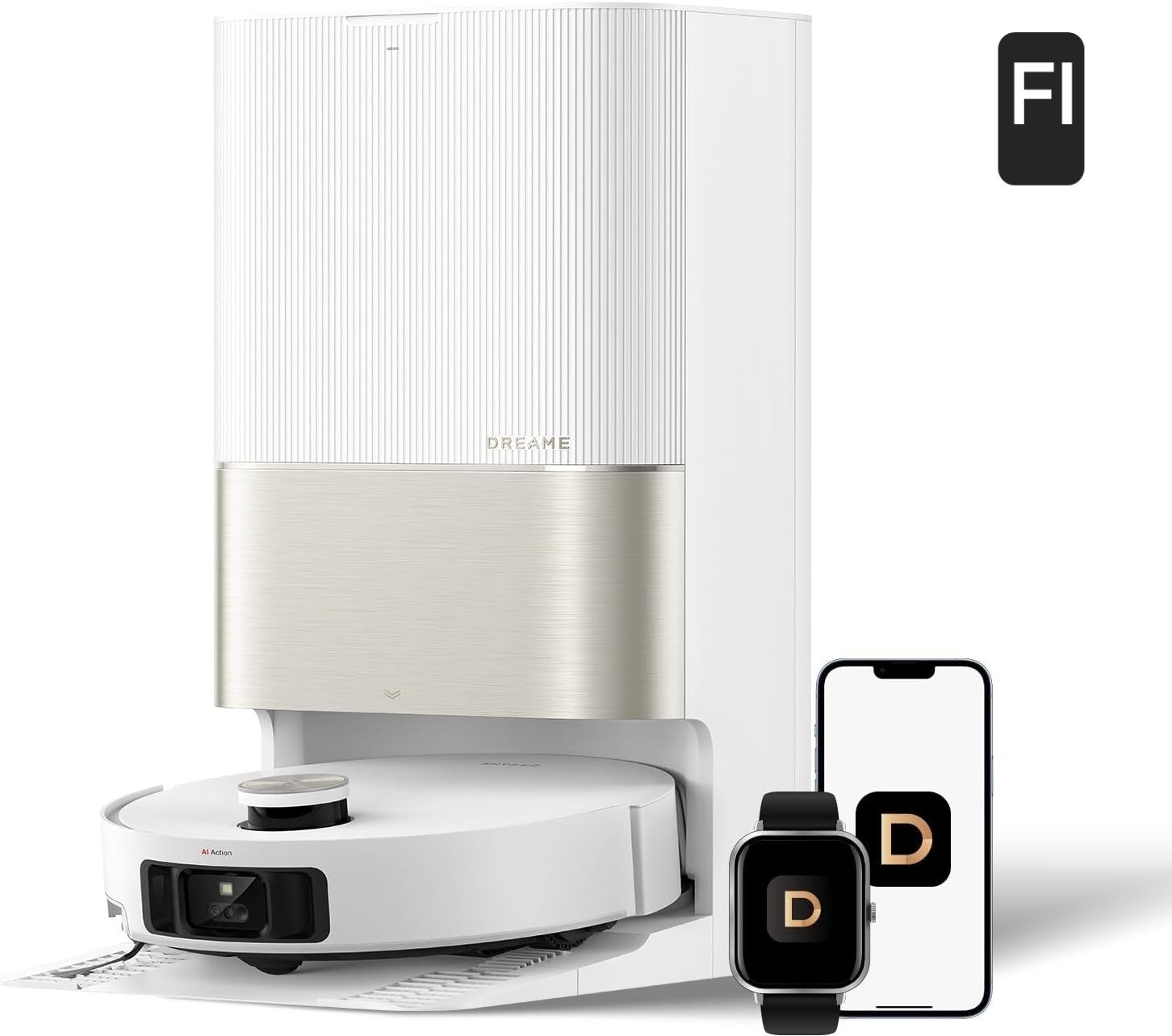
If that question matters to you too, the next step is simple: look at how the Dreame L40s Ultra AE performs once this threshold becomes the standard.
[Link → Decision Article | [DECISION_LINK]]
Short Product-Page Summary
If there is one mistake I think people make with premium robot vacuums, it is treating the purchase like a spec competition instead of a daily-life decision. What matters most is not how advanced the model sounds. It is whether the machine stays below the point where you have to keep intervening.
That is the reason I use the Intervention Threshold as my main frame. A robot vacuum feels worth the money only while it runs without creating a supervision habit. The threshold usually breaks in familiar places: hair wrap, poor edge cleaning, bad carpet behavior, weak obstacle handling, or a dock that turns into another cleaning task.
That is also why the right fit depends heavily on the home. A mostly hard-floor layout asks for strong mopping reach and low-maintenance operation. A pet household needs better anti-tangle behavior and debris handling. Mixed-floor homes depend more on carpet logic and mop lift. Busy homes with toys, shoes, and cables live or die by navigation discipline.
The real decision is not whether a robot vacuum is feature-packed. It is whether the automation stays believable over time.
Read the full decision article before you spend premium money on the wrong kind of automation. [DECISION_LINK]
Transparency Note:
This analysis is not based on quick personal impressions.
It is derived from documented system behavior, verified user patterns, and the physical constraints of storage capacity.
The goal is to translate complex technical behavior into a realistic performance model that helps you make a clear decision
One Comment