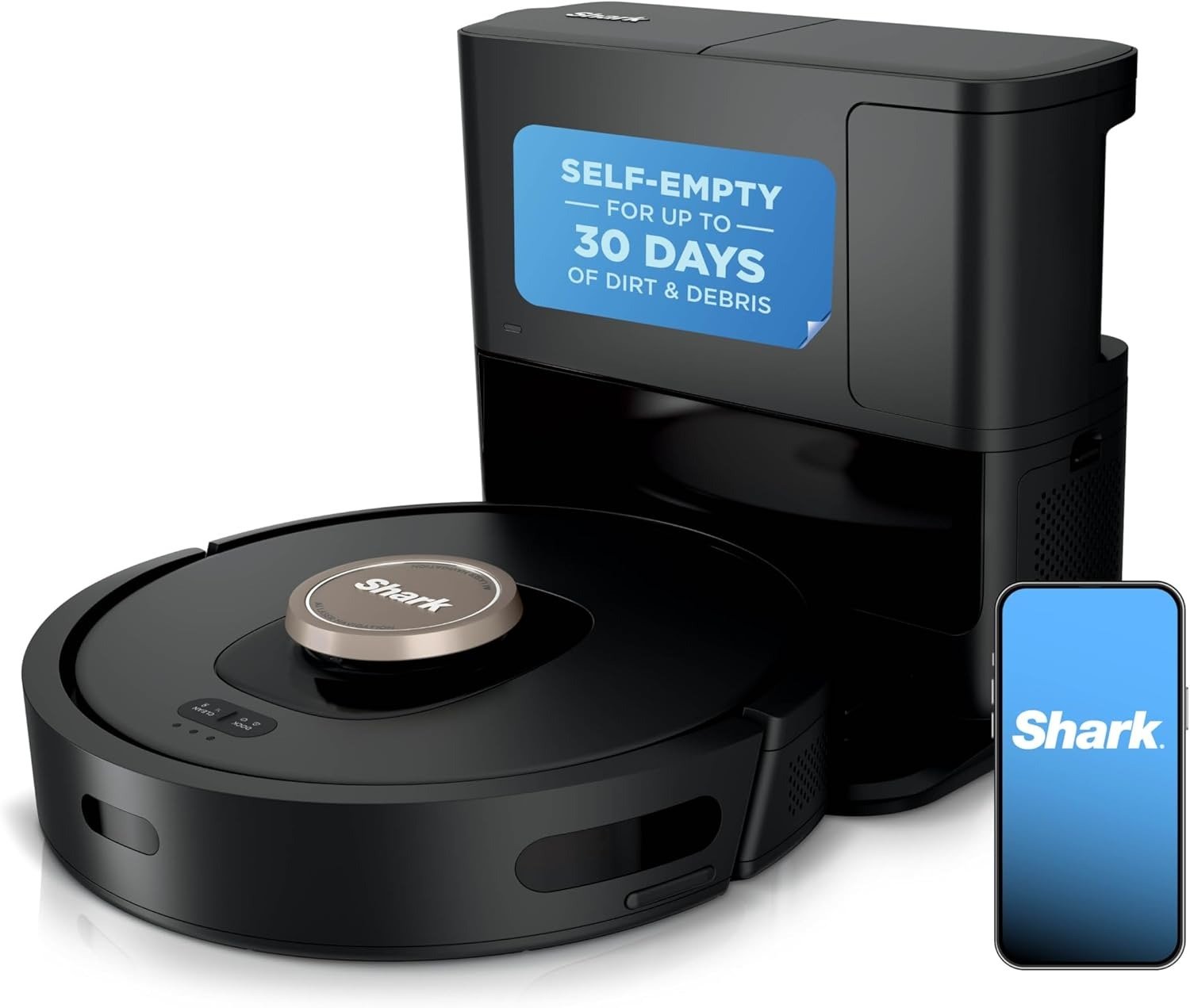
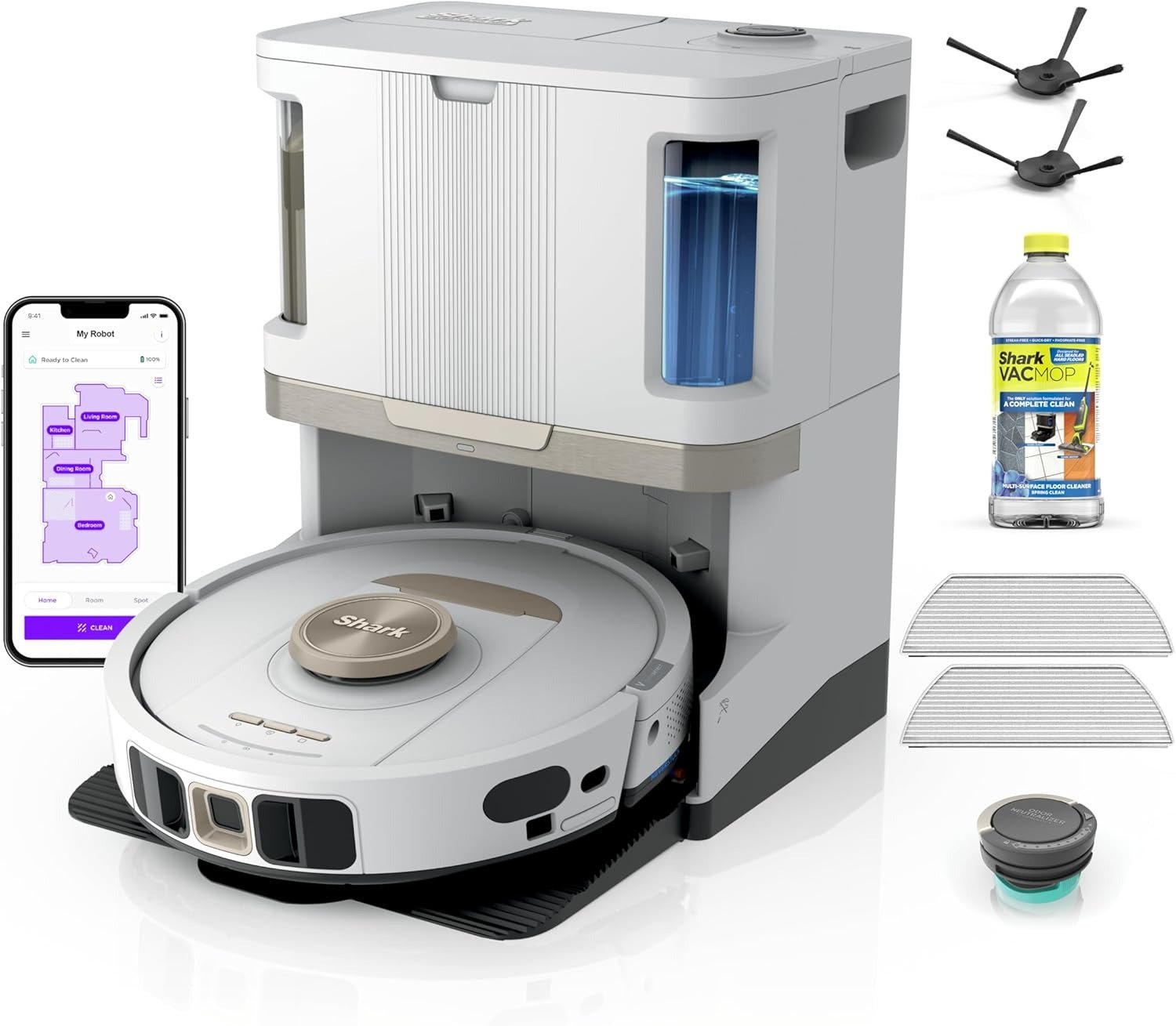
Why the Shark AV2501AE Feels Reliable Until the Floor Changes
ANALYSIS FRAMEWORK
When I studied the Shark AV2501AE closely, what stood out was not a simple good-or-bad pattern. It was a threshold pattern.
This robot feels convincing when the home layout is open, the debris is ordinary, and the owner values low-maintenance cleaning more than perfect extraction. The moment the floor introduces tighter carpet fibers, wall-edge debris, or a demand for flawless pet-hair lifting, the experience starts to separate. That is the real story here, not the marketing phrase on the box.
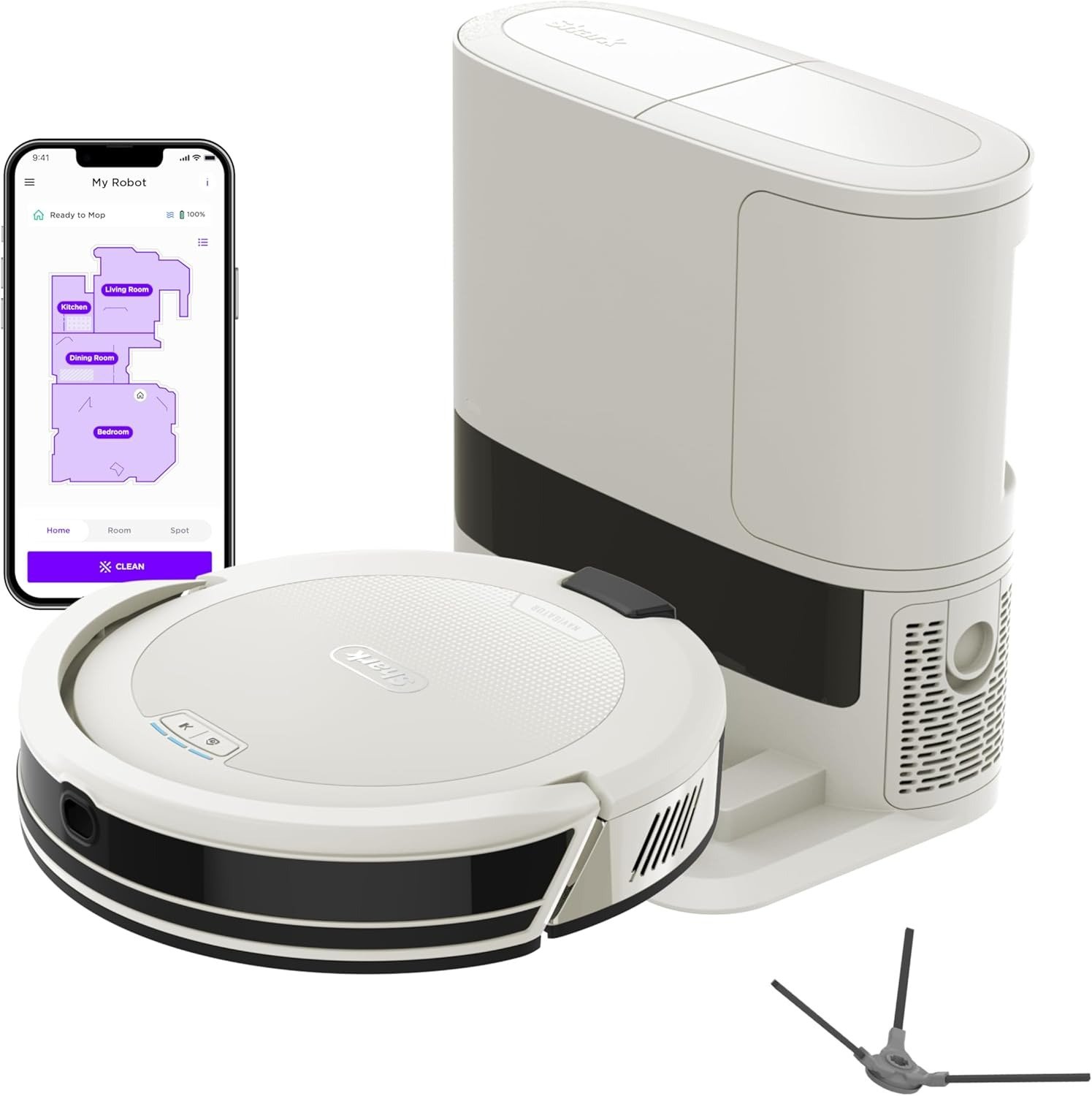
Shark positions it around LiDAR mapping, a bagless self-empty base with a claimed 60-day capacity, HEPA filtration, Matrix Clean navigation, and up to 120 minutes of runtime, and those are the right pillars to judge it by.
The First Thing I Noticed Was That Its Value Starts With Friction Removal
The reason this model attracts so many positive reactions is easy to understand.
People are not responding only to suction. They are responding to reduced interruption. The self-empty base is the emotional center of the product because it removes the daily annoyance that makes many robot vacuums feel like chores in disguise.
Best Buy’s customer summary repeatedly highlights cleaning performance, mapping, self-empty convenience, ease of use, and relatively quiet operation, while one Reddit owner described Shark’s bagless self-empty system as one of the best parts of the whole experience because it avoids the recurring irritation of buying bags.
Where the Machine Feels Strong
Technically, the AV2501AE has a stable foundation.
The official listing and Shark’s own product page confirm 360° LiDAR mapping, Matrix Clean multi-pass coverage, a self-empty HEPA base, a self-cleaning brushroll, voice control, and recharge-and-resume behavior.
On Amazon, it is listed among the top robotic vacuums, and the product page says 1K+ units were bought in the past month, which tells me the model still has commercial momentum.
Third-party testing also supports some of the product’s strongest practical advantages: RTINGS found decent hard-floor performance, solid airflow for a robot vacuum at 17.7 CFM, and notably quiet operation around 59–64 dBA depending on surface and mode.
The Threshold Where Confidence Starts to Drop
The weakness is not random.
It appears when the cleaning problem shifts from broad debris collection to extraction difficulty.
RTINGS scored it 7.0 on hard-floor debris pickup and 6.7 on carpet, but only 5.0 on pet-hair pickup, noting that on low-pile carpet the brush can press hair into fibers instead of lifting it cleanly.
That same pattern shows up in owner discussion: one Reddit user said the robot mapped well and moved in a good pattern, yet still left more pet hair behind on rugs than expected.
In other words, the navigation can look smarter than the final result feels. That gap between visible order and actual pickup is where owner satisfaction starts to drift.
Why the Product Feels Better in Daily Use Than It Sometimes Looks on Paper
There is a psychological reason many owners still like it despite those limits.
A robot vacuum is judged in two layers. The first is deep-clean performance.
The second is whether it quietly removes enough dust, crumbs, hair, and daily mess to keep the home from decaying between manual cleans. This Shark often wins the second test even when it does not dominate the first.
A Best Buy verified purchaser praised its room mapping, scheduling, and tendency to avoid getting stuck, while another Reddit owner reported daily reliability, good floor mapping, successful room targeting, and a self-empty bin that handled dog hair without clogging.
That is why the model keeps a favorable reputation in normal homes: it reduces maintenance load even when it does not behave like a premium extraction specialist.
The Real Limitation Is Not Suction Alone. It Is System Intelligence.
The phrase “AI Ultra” sounds more advanced than the real obstacle logic.
Vacuum Wars noted that the “AI” branding is mostly marketing language, not the kind of camera-based object recognition found in higher-end robots.
RTINGS reached a similar conclusion, pointing out that it relies on LiDAR rather than true visual object identification and can mistake everyday items or fail on lower obstacles beneath sensor height.
That matters because owners often interpret route confidence as intelligence, but those are not the same thing. The Shark usually maps methodically; it simply does not see the world with the same precision as the best premium bots.
The App Is the Part That Most Often Breaks the Premium Illusion
This is where technical friction becomes emotional friction.
RTINGS calls the SharkClean app slow and buggy and notes the lack of in-app navigation control and the need for a constant 2.4 GHz connection.
Vacuum Wars also criticized the app for being buggy and lacking real-time map monitoring, while owner discussion shows mixed reactions: some users complain about missing live-position feedback, but others say map editing, no-go zones, room boundaries, and scheduling work well enough once everything is set.
That split tells me the app is not unusable. It is simply not elegant.
What Kind of Home Makes This Robot Feel Like a Good Decision
The AV2501AE makes the most sense when the home has more hard floor than dense carpet, when pet hair is present but not embedded deeply into low-pile rugs, and when the owner wants a low-touch maintenance loop more than obsessive floor perfection.
It also suits buyers who care about quieter operation and allergen containment, since Shark claims the base captures 99.97% of dust and allergens down to 0.3 microns, and RTINGS found it does a good job sealing in fine particles.
But if your frustration comes from hair woven into carpet, wall-edge debris, app polish, or advanced obstacle intelligence, this is exactly where the product begins to reveal its ceiling.
The One Link That Matters Here
If you want the direct purchase-level breakdown of whether this robot fits your floor type, pet-hair load, maintenance tolerance, and app expectations, read the full decision analysis here
Transparency Note:
This analysis is not based on quick personal impressions.
It is derived from documented system behavior, verified user patterns, and the physical constraints of storage capacity.
The goal is to translate complex technical behavior into a realistic performance model that helps you make a clear decision
One Comment