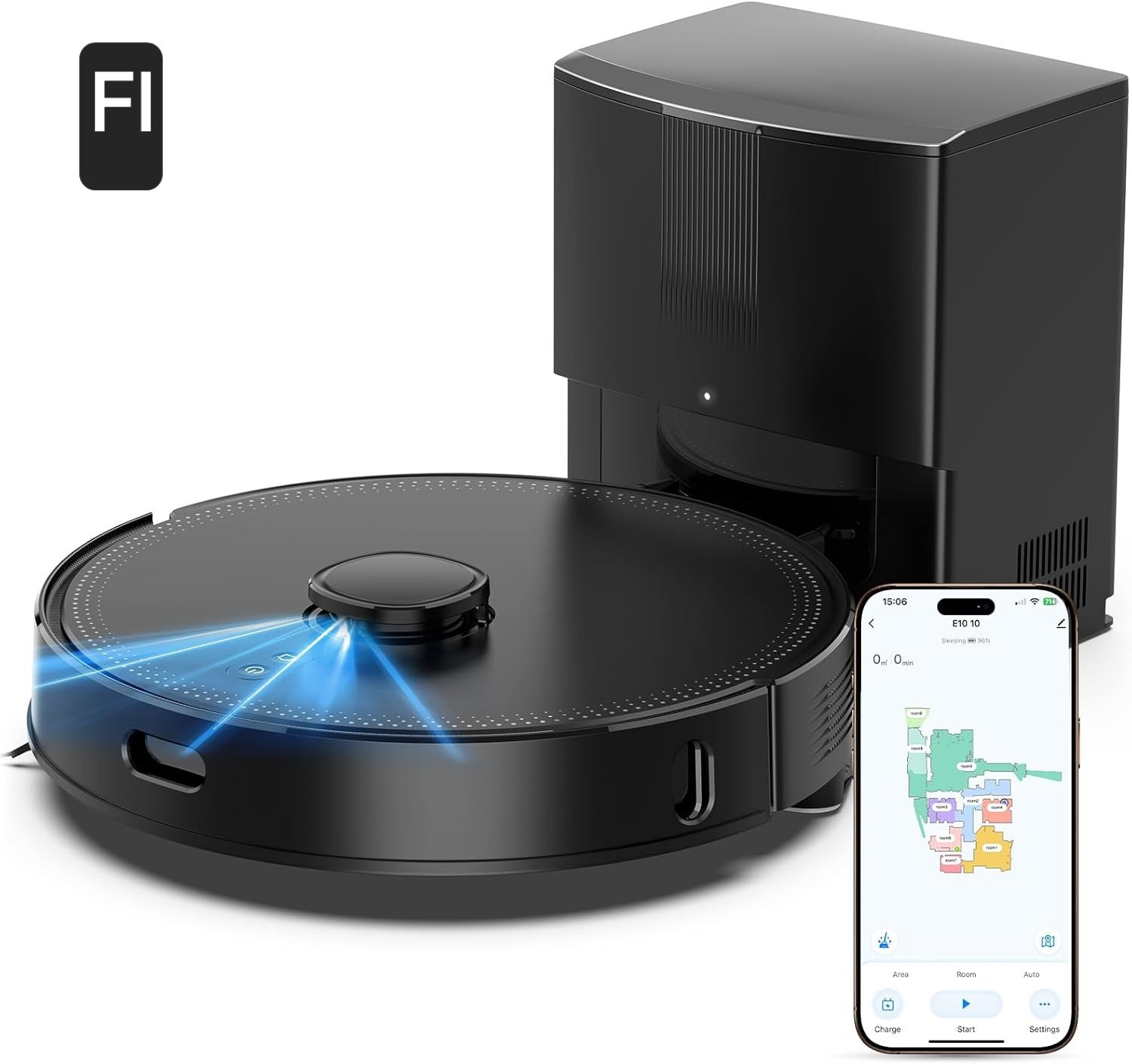
The “Good Day / Bad Day” Robot Vacuum Problem Isn’t Random—It’s a Variance Window
ANALYSIS FRAMEWORK
The first time I look at a robot vacuum like the BOTLUXE E10+, I don’t start with suction numbers or app screenshots—I start with the only question that actually matches real life:
Why does the same robot feel brilliant on Tuesday… and weirdly mediocre on Friday?
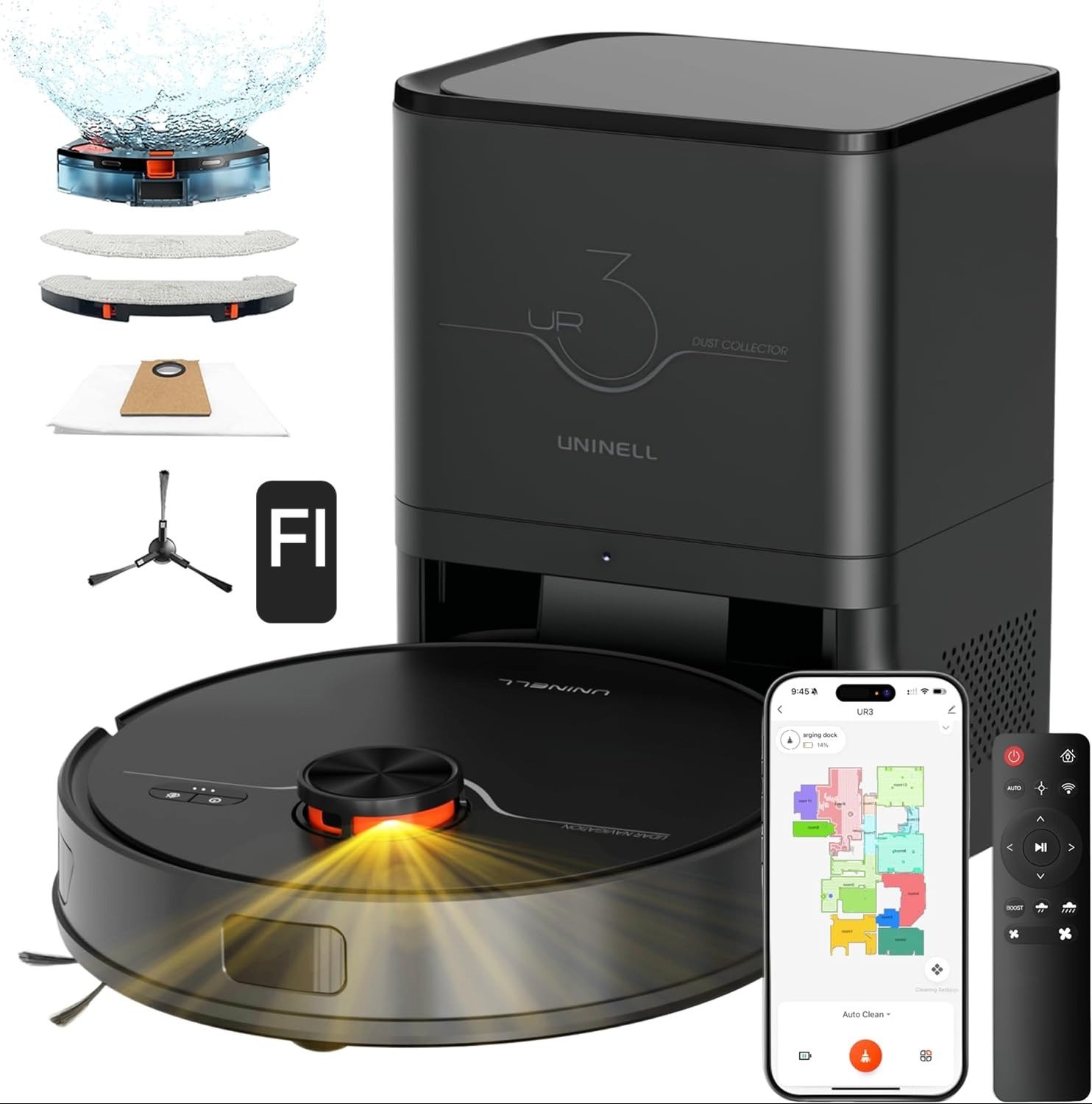
On paper, the E10+ is stacked: a self-emptying base marketed around a large bag (up to ~75 days), high suction claims (up to 8000Pa), LiDAR mapping, and a 2-in-1 vacuum/mop layout with a rated runtime around 150 minutes (some listings mention 180).
And yet—people don’t emotionally rate robot vacuums based on spec sheets.
They rate them based on consistency: the feeling that the machine is predictable, not “moody.”
That consistency is rarely a single “threshold collapse.”
Most of the time it’s a Variance Window: a performance range that tightens or widens depending on what your home loads onto the robot.
The Real System Isn’t the Robot. It’s: Home Load × Time × Behavior
When I map why robot vacuums feel inconsistent, I keep coming back to one mechanism:
Your house is not a static test track.
It’s a living system that keeps changing the “difficulty level” without announcing it.
Here’s what silently shifts the outcome:
- Hair density (especially pet hair) and the way it “ropes” into brushes
- Carpet transitions and thresholds that change traction and airflow behavior
- Fine dust vs. chunky debris (fine dust behaves like a filter-choking tax over time)
- Mopping expectations (light wipe vs. stain removal—two different worlds)
- Navigation friction (chairs move, cords appear, doors change positions)
So the question becomes:
Is my home forcing the robot into a narrow, stressed performance band—or does it stay inside a wide, stable band?
That’s the hidden difference between “this thing is amazing” and “it’s not smart.”
Why Specs Feel Persuasive (Psychology) Even When Consistency Is the Real Battle
This is where human psychology quietly tricks us:
- We anchor on one loud number
“8000Pa” is psychologically clean. It feels like certainty.
But suction is only one input. If the robot’s variance window compresses (hair + dust + thresholds + map friction), the lived result can still wobble. - We confuse “mapping” with “intelligence”
LiDAR mapping is a real upgrade because it usually produces more systematic paths than random bounce navigation.
But “systematic pathing” doesn’t automatically mean “handles messy human life.” The emotional disappointment usually happens when the robot cleans logically but fails practically (missed corners, stuck moments, cable incidents, etc.). - We buy relief, not cleaning
Self-emptying isn’t a cleaning feature—it’s a maintenance relief feature.
People love it because it removes the most annoying micro-task: frequent bin emptying. The E10+ is explicitly positioned around that relief (large bag, long hands-free cycle).So psychologically, the buyer isn’t purchasing “a vacuum.”
They’re purchasing less friction per week.
What People Seem to Like About This Class of Robot (Tech + Sentiment Pattern)
From what’s publicly visible across listings and promotional review snippets, the positive sentiment clusters around:
- Hands-free convenience via a self-emptying base (the “I don’t want to touch dust daily” win)
- LiDAR mapping as a “feels premium” upgrade, because it reduces the chaotic vibe of older robots
- Vacuum + mop in one run as a “good enough daily reset” for hard floors (not a deep mop replacement)
- A general “amazing robovac” style reaction in at least one surfaced review snippet on the listing page
Also, one strong signal: the Canadian listing shows ~4.6/5 from 55 ratings, which (if stable over time) implies this product is currently pleasing a meaningful slice of buyers.
The Hidden Complaints People Usually Mean (Even When They Don’t Say It Cleanly)
Even when reviews don’t articulate it, the pain is usually one of these:
- “It missed areas” → often a mapping/room-boundary expectation mismatch, or a variance window tightening due to clutter
- “It gets stuck” → threshold/cable/small object reality (not a moral failure of the robot)
- “Mop is weak” → because most 2-in-1 robots are maintenance wipe tools, not scrubbers
- “App issues / Wi-Fi issues” → and here’s the practical gotcha: many models explicitly require 2.4 GHz Wi-Fi, and some listings warn about voltage compatibility (110–120V) depending on region
In other words, the negative emotion often isn’t “bad suction.”
It’s drift: the system slowly moves out of the easy band and into the stressed band.
The Causal Map: How a Robot Vacuum Drifts Without “Breaking”
This is the simplest version of the map I keep in my head:
- Week 1 (Wide Window): floors are relatively clean → robot feels powerful
- Week 2 (Load Accumulates): hair + fine dust start taxing airflow/brushes → edges start getting “slightly worse”
- Behavioral Escalation: you run it more often because it’s convenient → you increase exposure cycles
- Window Compression: same robot, same home… but now the load profile is heavier and the floor plan is messier
- The Human Verdict: “It was amazing, then it got dumb”
Nothing supernatural happened.
Your house simply moved the robot into a narrower variance band.
Where the Network Article Ends (and the Decision Article Begins)
This article is the web: it captures the informational intent and builds the causal frame.
The next step is the “sting” article where I quantify:
- What the realistic variance window looks like (light vs. medium vs. heavy home load)
- How often adjustment/maintenance is required to keep the window wide
- Who is system-compatible vs. misaligned (without insulting either side)
If you want that،
If you want the quantified window (light/medium/heavy use) and the compatibility split, open the decision article here.
**This analysis is based on aggregated user feedback, verified buyer reviews, and technical documentation. It is designed to provide structured clarity rather than personal opinion**

One Comment