The Night It Almost Failed — And Why That’s When We Finally Knew
DECISION ANALYSIS
Why did we almost return it on a Tuesday night?
Not because it didn’t clean.
Not because it smelled.
Because
it paused.
And that tiny pause felt louder than any odor ever did.
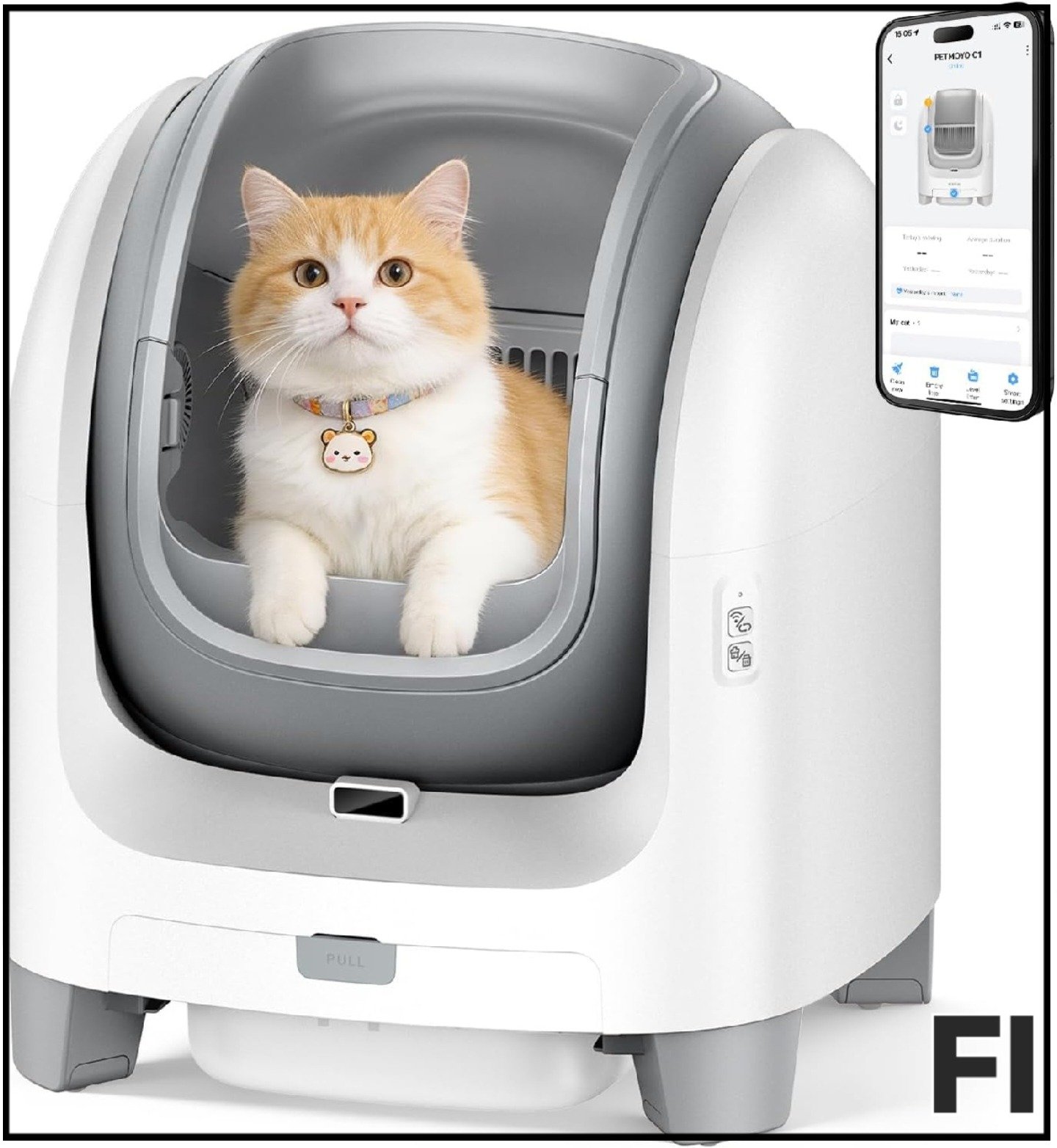
We bought the Petmoyo self-cleaning litter box because we were tired of scooping before sunrise. We wanted silence. Automation. Something that simply worked.
The first week? It felt like progress.
Then real life happened.
Two visits within thirty minutes. Slightly wetter clumps. A full workday where we forgot to check the bin.
And that’s when we understood something brutally simple: Automation only feels magical until it meets pressure.
Executive Signal Layer (Key Takeaways)
- If your cat adapts within 7–14 days, the system blends into daily life and friction drops fast.
- When litter texture remains consistent, cleaning cycles stay predictable and odor stays contained.
- If waste output spikes beyond bin rhythm, overflow risk rises faster than spec numbers suggest.
- Unless you tolerate rare pause events calmly, psychological trust drops before performance does.
- If routine defines your household, stability probability increases dramatically.
Full product specifications and current availability here 🔗 [LINK: https://www.amazon.com/petmoyo-Self-Cleaning-Litter-Large/dp/B0GHXGKJ7P]
Why Adaptation Speed Decides Everything
Why do some owners call it life-changing while others quietly uninstall it?
Because cats do not negotiate with machinery.
We noticed something subtle. The first time the drum rotated, our cat froze. Not fear—just calculation.
That moment matters.
If your cat steps back in confidently after the first cycle, you’re in safe territory.
If hesitation lingers past the first week, you’re not testing performance. You’re testing psychology.
Expert advice: never evaluate automation in the first three days. Observe behavior patterns over at least one full week before forming judgment.
The Capacity Illusion — Numbers vs. Rhythm
The internal space feels generous.
The waste compartment looks sufficient.
But why does overflow still surprise some homes?
Because rhythm beats volume.
One calm, single-cat household will rarely stress the system.
Two cats with synchronized bathroom timing? That’s a pressure test.
We learned that capacity does not fail gradually. It fails at thresholds.
And thresholds do not announce themselves.
The Trade-Off Nobody Mentions Out Loud
Why does “self-cleaning” still require involvement?
Because effort shifts.
You no longer scoop daily. Instead, you:
- Monitor occasionally
- Deep-clean monthly
- Replace liners
- Check sensors
It’s lighter work.
But it’s not zero work.
If you expect total disappearance of responsibility, friction will grow quietly.
If you accept light system stewardship, the exchange feels fair.
The Failure Threshold — When Trust Breaks Faster Than Performance
Here’s the truth.
Manual litter boxes fail predictably.
Automatic ones fail emotionally.
A mid-cycle pause is small technically.
But psychologically? It feels loud.
Why?
Because we didn’t buy a box.
We bought relief.
If you can tolerate rare interventions without feeling betrayed, you’ll likely appreciate the system.
If interruptions irritate you deeply, the emotional cost may outweigh convenience.
Conditional Verdict — Who Should Buy, Who Should Pause
Buy if:
- Your cat adapts quickly to movement.
- Your home runs on consistent routine.
- You prefer reduced daily labor over full manual control.
- You accept occasional oversight calmly.
Pause if:
- Your cat is anxious or resistant to change.
- You expect flawless autonomy.
- Your household schedule is unpredictable.
- You dislike managing mechanical systems.
Why does this matter?
Because this product isn’t about features.
It’s about alignment.
When alignment exists, the Petmoyo becomes background infrastructure.
When alignment is missing, small disturbances feel amplified.
And once amplified, convenience stops feeling convenient.
One Comment